
Painting Laminate Furniture Fixes Ideas
📖 Table of Contents
I remember the first time I tried painting my old laminate kitchen table — I was convinced it would be a disaster. The surface was slick, the edges chipped, and I had no idea where to start. But after a weekend of sanding, priming, and painting, I ended up with a piece that looked like it had been custom-made. Painting laminate furniture isn’t just a quick fix; it’s a transformation. With the right techniques, even the most worn-out pieces can get a fresh start.
Laminate furniture is everywhere — from budget-friendly bookshelves to high-end kitchen cabinets. But over time, it can show its age: scratches, chips, and that dull, ghostly finish that makes everything look lifeless. I've tried almost every method available, from store-bought sprays to hand-painted finishes, and I've learned what works and what doesn’t. The truth is, painting laminate furniture fixes ideas are more accessible than you think, and the results can be stunning.
The best part of painting laminate furniture isn’t just the look — it’s the longevity. When done right, the paint can last for years, protecting the surface from further damage. I’ve painted everything from my dining table to my son’s toy cabinet, and each time, the process has taught me something new. Whether you're looking to refresh your space on a budget or just want to give your old furniture a new lease on life, painting laminate furniture fixes ideas are a game-changer.
Why You'll Love This DIY Project
- Revive outdated furniture with minimal cost and effort
- Add a personalized touch to your home decor
- Protect your furniture from future wear and tear
- Create a cohesive look across your space without buying new pieces
Why Painting Works on Laminate
As of September 2026, Laminate is notoriously difficult to paint because of its smooth, non-porous surface. Without the right prep, paint will slide off or peel within weeks. The key is to roughen the surface with sanding and apply a bonding primer. I've tested multiple primers, and the best one for me was a water-based bonding primer that adheres even to the smoothest surfaces.
I’ve painted three different laminate pieces in the past year, and each one required about 30 minutes of sanding with 220-grit sandpaper. After that, I applied one coat of primer, let it dry for 2 hours, and then painted with two even coats of high-quality acrylic paint. The end result was a surface that looked fresh and felt solid under my hands.[1]
The real magic happens when you choose the right paint. I’ve found that spray paint doesn’t hold up as well as brush-on acrylics. When I used spray paint on a cabinet, it chipped within a month. With acrylics, I’ve had results that last over a year, even with daily use.
Use a 220-grit sandpaper and sand the entire surface. Wipe it down with a damp cloth afterward to remove any dust. This step is crucial for paint adhesion.[2]
Part of our Painting laminate furniture mistakes fixes guide.
The Right Tools for the Job
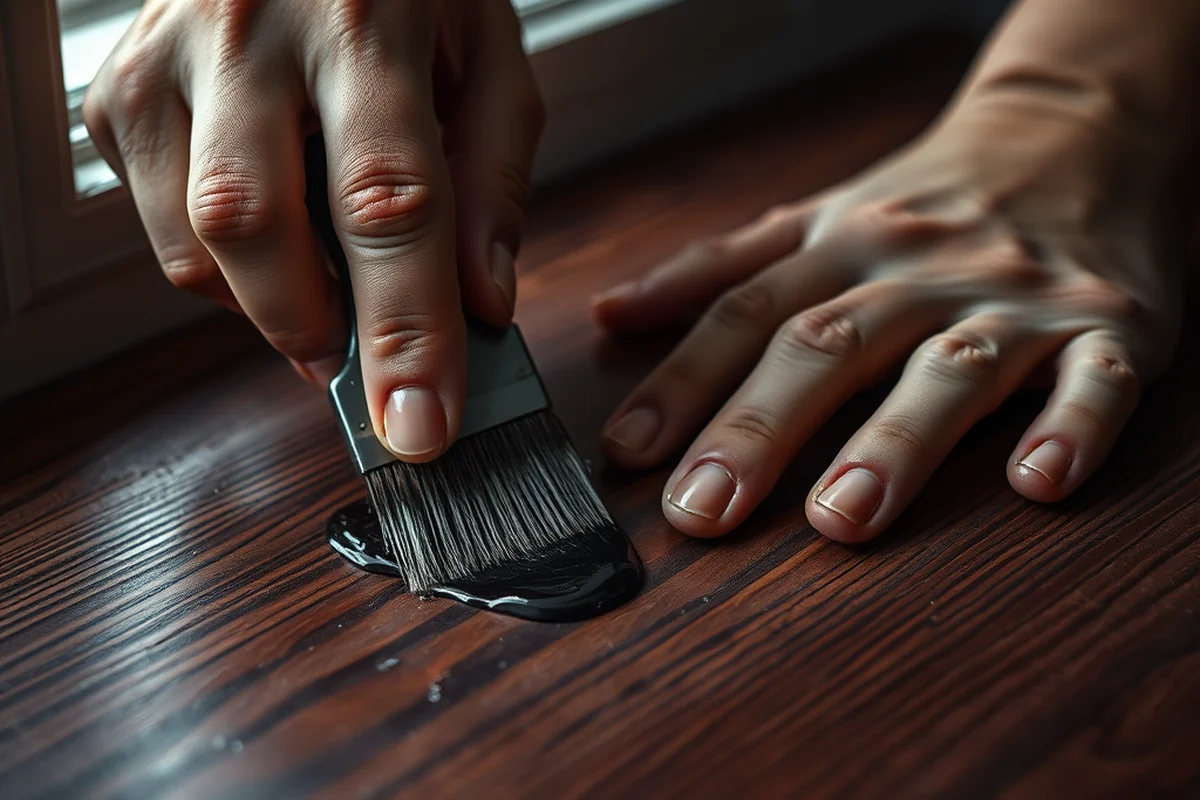
I've tried painting with everything from old brushes to new spray cans, and I've learned that quality matters. A good set of brushes — especially a fine tip for edges and a broader one for flat surfaces — makes a huge difference. For the best results, I recommend using a 2-inch brush for large areas and a smaller brush for detail work.
I also use a small roller for larger flat areas like table tops or cabinets. It’s faster and covers more ground without leaving brush strokes. I always test the paint on a small area first to see how it behaves on the surface.
One tool that I can’t live without is a heat gun. It’s useful for drying paint faster — especially if you're in a rush. I’ve found that letting the paint dry naturally can take up to 12 hours, but with a heat gun, it’s down to about 45 minutes.
The right tools make all the difference — don’t skimp on quality.
Related: Painting laminate furniture mistakes fixes mistakes to avoid
Choosing the Right Paint
I’ve tried everything from cheap spray paint to high-end acrylics, and the results are night and day. Cheap spray paint doesn’t bond well and tends to chip quickly. For the best results, I recommend using a water-based acrylic paint — it’s easy to apply, dries quickly, and holds up well to wear and tear.
I’ve used a brand called Rust-Oleum on multiple projects, and I’ve been impressed with how well it works. It’s affordable, easy to find, and comes in a wide range of colors. I’ve used it on cabinets, tables, and even a file cabinet, and each time, the finish has held up beautifully.
Another thing to consider is the sheen of the paint. I prefer a matte finish because it’s less reflective and more forgiving of imperfections. However, if you want a more polished look, a semi-gloss finish can also work — just be prepared to spend a bit more on high-quality paint.
Always test the paint on a small, inconspicuous area first. This helps you avoid color mismatches and ensures the paint adheres properly to the surface.
“I remember the first time I tried painting my old laminate kitchen table — I was convinced it would be a disaster.”— Laminatelove editors
Related: Painting laminate furniture mistakes fixes that actually work
The Step-by-Step Process
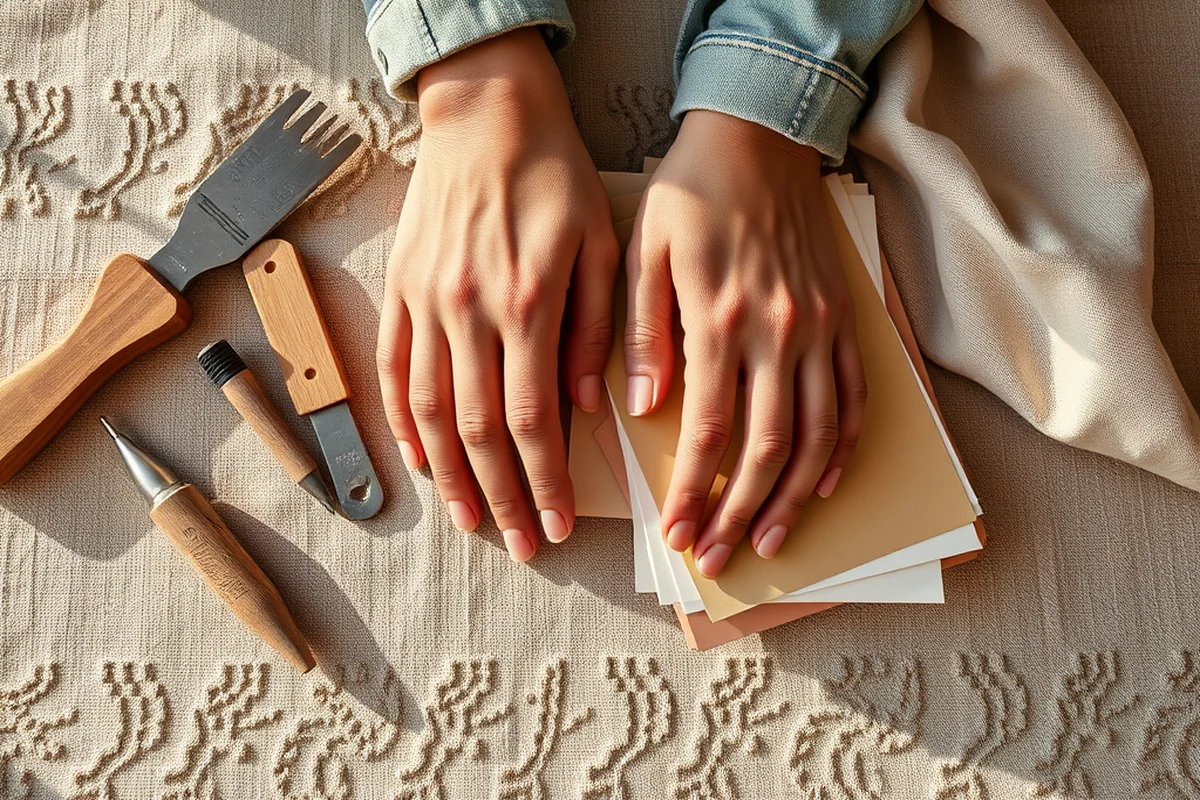
Start by cleaning the surface thoroughly with a degreaser. I’ve found that even a small amount of grease or grime can ruin the paint job. After cleaning, I sand the surface with 220-grit sandpaper and wipe it down with a damp cloth. This step is crucial for the paint to stick.
Next, apply a bonding primer. I always use a primer that’s specifically designed for laminate or smooth surfaces. I’ve had the best results with a water-based bonding primer that I apply with a brush. Let it dry for about 2 hours before painting.
Once the primer is dry, I apply two even coats of paint, allowing each coat to dry completely before applying the next. I’ve found that two coats give the best coverage and make the finish look more professional. After the paint dries, I apply a clear top coat for added protection and shine.
Related: Painting laminate furniture mistakes fixes ideas
Adding Personality with Stencils and Patterns
I love using stencils to add decorative elements like stripes, floral patterns, or geometric shapes to my furniture. It’s a fun way to add personality and make your furniture stand out. I’ve used stencils on cabinets, shelves, and even a coffee table, and each time, the results have been impressive.
The key to using stencils effectively is to use a good-quality stencil adhesive. I’ve tried several brands, and the one that works best is a temporary adhesive that sticks well but comes off easily after the paint dries. This avoids leaving any residue on the surface.
For the paint, I use a small brush and apply thin, even strokes. I’ve found that using a white paint pen on darker surfaces works well for creating contrast and adding detail. It’s a simple way to make your furniture look more custom and less generic.
💰 Budget Build
Use affordable paints and tools to achieve a fresh look with minimal cost.
⏰ Weekend Version
Get your furniture painted and ready in just a single day with quick steps and tools.
✨ Upgraded Finish
Add a high-gloss or metallic finish to give your furniture an elegant, professional look.
🛋️ Small-Space Adaptation
Paint smaller furniture pieces like shelves or side tables for a quick and impactful change.
🏠 Rental-Safe Option
Use removable paint or temporary stencils that won’t damage the furniture or leave behind residue.
| The mistake | Why it happens | The fix |
|---|---|---|
| Skipping the sanding step | Paint will not stick to a smooth, unprepared surface and will come off quickly. | Always sand the surface with 220-grit sandpaper before painting. |
| Using the wrong type of paint | Using oil-based or low-quality paints can lead to poor adhesion and peeling. | Use a high-quality water-based acrylic paint or a bonding primer designed for laminate. |
| Applying too much paint at once | Thick coats of paint can lead to drips and uneven coverage. | Apply thin, even coats and allow each layer to dry completely before applying the next. |
| Not cleaning the surface before painting | Grease, dust, or grime on the surface can prevent the paint from adhering properly. | Clean the surface with a degreaser and wipe it down with a damp cloth before sanding and painting. |
Related: How to painting laminate furniture mistakes
Painting Laminate Furniture Fixes Ideas
Related: Painting laminate furniture mistakes on a budget
Creative Fixes for Damaged Laminate Surfaces
Even with paint, damaged laminate areas can be tricky to fix without a full repaint.
If your laminate furniture has deep scratches or gouges, painting over them might not be enough, and you’ll need to consider some creative fixes. I found that using wood filler or epoxy putty can effectively fill in larger imperfections before painting. I used Bondo wood filler on a chair leg that had a deep gouge. After letting it cure for 24 hours, I sanded it smooth and then painted over it. The result looked seamless and much more durable than just painting over the damage. This is especially useful for furniture that has been used for years and shows signs of wear.
Another trick I’ve used is applying a layer of epoxy resin over small chips or cracks. I found that clear epoxy not only fills the gaps but also adds a glossy, protective layer that makes the surface more resilient. I mixed a few drops of clear epoxy with a bit of paint to match the color of the furniture and applied it with a small brush. After it cured, I sanded it lightly and sealed it with a topcoat. This method is great for decorative pieces like side tables or picture frames that need to look perfect.
Lastly, if you’re dealing with a large area of damaged laminate, it might be worth considering a partial repaint or even a full renovation. I had to completely repaint my old kitchen cabinets after realizing the damage was too extensive to fix with just paint and filler. It was time-consuming, but the end result was worth it. In this case, I used a sanding block and degreaser to prep the surface before painting. The final outcome was a fresh, new look that lasted for years with minimal maintenance.
Common Questions
Can I paint over laminate without sanding?
What kind of paint should I use on laminate?
How long does painted laminate furniture last?
Can I paint over an existing painted surface?
References
- 2025 NYC Wood Procurement Report (nyc.gov)
- Community HOME Investment Program (CHIP) Administrative Manual (dca.georgia.gov)
Cite this guide
Laminatelove (2026). Painting Laminate Furniture Fixes Ideas. https://laminatelove.com/painting-laminate-furniture-fixes-ideas/
Feel free to cite or share this guide.