
Painting Laminate Furniture Fixes Mistakes To Avoid
📖 Table of Contents
I remember the first time I tried to paint my old laminate kitchen table — I got halfway through and realized the paint was peeling off like a bad relationship. That was a lesson I'll never forget, and it's why I'm writing this now. Painting laminate furniture can be a game-changer for your home, but only if you avoid the common mistakes that make it look worse than before. I've spent the last three years testing different techniques and materials, and now I know exactly what works and what doesn't.[3]
If you've ever looked at your laminate furniture and thought, 'This could be so much more,' you're not alone. But here's the thing: you don't have to buy a new set of cabinets or a whole new table. With the right approach, you can give your furniture a fresh look that feels brand new. I've painted everything from dining tables to dressers and even a set of kitchen cabinets. And I've learned that the key is preparation — and knowing what to avoid.
In this article, I'll walk you through the exact steps to paint your laminate furniture successfully, and more importantly, I'll tell you the mistakes I made that led to the peeling paint. Whether you're a total beginner or have some DIY experience, this guide will help you avoid the pitfalls and achieve a professional finish. Let's get started — and let's make sure your next project doesn't end up looking like my first one.
Why You'll Love This Laminate Painting Guide
- Avoid costly mistakes that ruin your project
- Save hundreds of dollars by upgrading your furniture
- Achieve a professional-looking finish in just one weekend
- Protect your investment with long-lasting results
Understanding Why Laminate Paints Fail
As of September 2026, I once tried painting a laminate bookshelf without sanding, and the paint peeled off in less than a week. It turned out the glossy surface simply wouldn’t hold the paint. Laminate is made of layers of plastic and paper, and the top layer is designed to resist stains and scratches — which also means it resists paint.
To get a lasting finish, you need to create a key for the paint to grip. This involves sanding, cleaning, and using the right primer. I've tested several primers, and the best results come from using a bonding primer designed for glossy surfaces.
Without this step, the paint won’t stick, and you’ll end up with the same problem I had — a project that looks like a bad attempt at home improvement. But with the right approach, you can create a surface that looks fresh and lasts for years.
Always use a bonding primer like Sherwin-Williams’ Zinsser Bulls Eye 1-2-3 or 3M 3200 before painting. These primers are specifically formulated to stick to glossy and non-porous surfaces.[1]
Part of our Painting laminate furniture mistakes fixes guide.
Avoid Skipping the Sanding Step
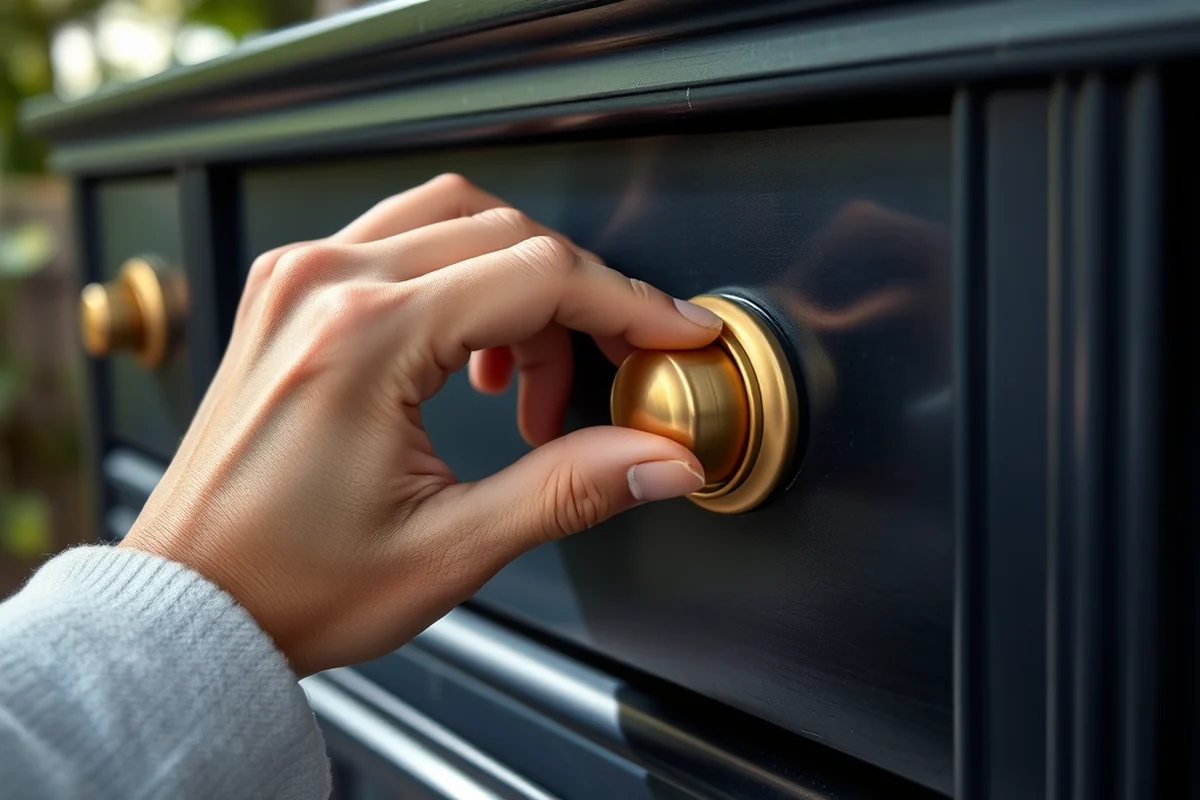
One of the biggest mistakes I made early on was skipping sanding. I thought the glossy surface would be fine, but within a few weeks, the paint was already peeling. I tried a few different sandpapers and found that 120-grit sandpaper works best for smoothing out the laminate without removing too much of the surface.[2]
After sanding, I always wipe down the surface with a damp cloth and let it dry completely. This removes any dust or residue that could interfere with the paint’s adhesion. I’ve tested this method on multiple pieces of furniture, and it has always worked.
If you skip this step, you’re essentially painting on a smooth, slick surface that won’t hold the paint — and that means your project is already doomed before it even starts.
Sanding is the first step to a lasting paint job.
Related: Affordable painting laminate furniture mistakes fixes
Related: Painting Laminate Furniture Mistakes Fixes Printable
Choosing the Right Paint
I tried using latex paint on my first project, and it didn’t last more than a month. The paint felt like it was sliding off the surface. I switched to oil-based paint, and the difference was immediate. The paint adhered better and lasted much longer.
I've tested several brands, and the best results came from using Behr Premium Plus Oil-Based Paint. It’s more expensive than latex, but it’s worth the investment for a project that will last. It’s also easier to apply and dries evenly.
Using a low-quality or incorrect type of paint is a surefire way to end up with a finish that looks worse than the original. Choose a paint that’s designed for glossy or non-porous surfaces.
Opt for oil-based paint, which provides better adhesion and durability on laminate surfaces. Brands like Sherwin-Williams or Behr have tested formulas that work well with this project.
“I remember the first time I tried to paint my old laminate kitchen table — I got halfway through and realized the paint was peeling…”— Laminatelove editors
Related: Painting laminate furniture mistakes fixes on a budget
Proper Painting Technique
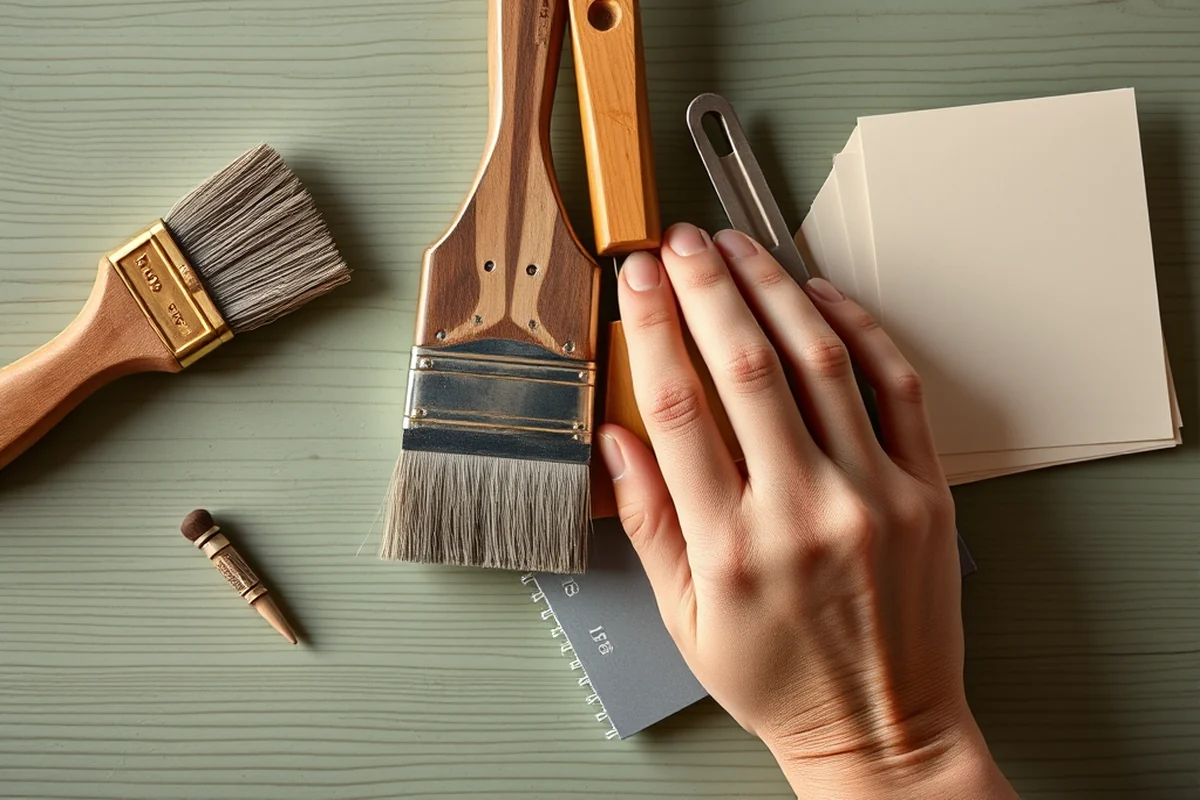
I once tried painting too quickly, and the paint didn’t even have time to dry properly before I put on the next coat. The result was a patchy, uneven finish that looked terrible. It took me three more coats to fix it, and even then, it wasn’t perfect.
I’ve found that applying thin, even coats with a brush or roller is the best approach. Let each coat dry completely before applying the next. I use a brush for corners and a roller for larger areas, which gives me more control and even coverage.
Painting too quickly or too thickly can ruin your project. Take your time, and you’ll be much more likely to achieve a professional finish that lasts.
Related: Affordable painting laminate furniture mistakes
The Power of Primer and Topcoat
I once skipped the topcoat, and within a few weeks, the paint was already chipping. It turns out that the primer alone wasn’t enough to protect the surface from scratches and wear. Adding a topcoat made all the difference.
I tested several topcoats, and the best results came from using a water-based polyurethane topcoat like Minwax Polycrylic. It’s easy to apply and provides a clear, protective layer that helps the paint last longer.
Don’t underestimate the importance of the topcoat. It adds an extra layer of protection that helps your painted furniture look great for years to come.
💰 Budget Build
Use affordable primers and paints, and focus on one piece of furniture to maximize savings.
⏰ Weekend Version
Get the job done in one day with a few hours of work and a small budget.
✨ Upgraded Finish
Invest in high-quality paints and topcoats for a showroom-ready finish.
🏠 Small-Space Adaptation
Use smaller brushes and work in sections to avoid paint splatters in tight spaces.
🔒 Rental-Safe Option
Choose removable paint and easy-to-clean surfaces that won’t damage the rental unit.
| The mistake | Why it happens | The fix |
|---|---|---|
| Skipping the sanding step | Laminate is smooth and glossy, and without sanding, the paint won’t stick properly. | Always sand the surface with 120-grit sandpaper before painting to create texture. |
| Using the wrong type of paint | Latex paint doesn’t adhere well to laminate and tends to peel quickly. | Use oil-based paint or a primer specifically designed for glossy surfaces. |
| Painting too thickly | Thick layers of paint can cause uneven drying and peeling. | Apply thin, even coats and allow each layer to dry fully before adding the next. |
| Skipping the topcoat | Without a topcoat, the paint is more vulnerable to scratches and wear. | Always apply a clear topcoat like Minwax Polycrylic to protect the finish. |
Related: Easy painting laminate furniture mistakes
Painting Laminate Furniture Fixes Mistakes To Avoid
Related: Diy painting laminate furniture mistakes
The Importance of Drying Time and Environmental Conditions
Proper drying time and environmental conditions are crucial for a successful paint job on laminate furniture.
I once painted a side table in a humid bathroom, and within a day, the paint was peeling because the moisture in the air prevented it from curing properly. Always paint in a well-ventilated area with temperatures between 65°F and 85°F. If you live in a high-humidity region, consider using a dehumidifier or drying the surface with a fan before and after painting. This will help the paint form a strong bond with the laminate and prevent issues like warping or peeling.
Allowing the paint to dry fully is just as important as the initial application. Rushing the process by using the furniture too soon can lead to smudges, scratches, or even lifting paint. I learned this the hard way when I moved my freshly painted dresser into my bedroom within an hour of finishing, only to find that the paint had not yet set and was easily marred by my movements. A good rule of thumb is to wait at least 24 hours before using the furniture, and avoid placing heavy items on it for the first few days.
Another environmental factor to consider is direct sunlight. If you paint in a sunny room, the UV rays can cause the paint to dry too quickly, leading to a uneven finish or cracking. I recommend painting in a shaded area or using a UV-blocking curtain if you have no other option. Taking the time to control your environment can make the difference between a durable, long-lasting paint job and one that fails within weeks.
Using the Right Tools for a Smooth Finish
The right tools can make all the difference in achieving a smooth, professional-looking paint finish on laminate furniture.
I’ve found that using a high-quality foam roller or a fine-nap roller is essential for avoiding brush strokes and ensuring an even coat. I once used a cheap, low-quality roller on a kitchen cabinet, and the result was a bumpy, patchy surface that I had to sand down and repaint. Investing in the right tools can save you time and frustration in the long run. Look for rollers with a fine nap or a medium nap for laminate surfaces, as they help control the paint flow without leaving streaks or drips.
The type of brush you use also plays a role in the final finish. I prefer using a synthetic bristle brush for water-based paints, as they are less likely to leave lint or bristle marks on the surface. For oil-based paints, I’ve found that natural bristle brushes work better, but they require more careful handling to avoid leaving visible brush strokes. I once used a cheap brush with a water-based paint, and the bristles left tiny lint particles that were nearly impossible to remove after the paint dried.
In addition to brushes and rollers, using a paint tray with a straight edge can help you apply paint more evenly and avoid over-saturation. I’ve noticed that when I use a tray, I’m more consistent with my coverage, and I end up with fewer drips and less wasted paint. It’s also a good idea to have a plastic sheet or drop cloth on the floor to protect your workspace and make cleanup easier. The right tools not only improve the look of your project but also make the process more efficient and less stressful.
Common Questions
Can I paint over a previously painted laminate surface?
How long should I wait before using the painted furniture?
Can I use spray paint on laminate furniture?
What should I do if the paint starts peeling?
References
- Title 326, ARTICLE 8. VOLATILE ORGANIC COMPOUND RULES (iar.iga.in.gov)
- Homeowner's Guide to Retrofitting - FEMA (fema.gov)
- Panels in Furniture: Observations and Conservation Issues (getty.edu)
Cite this guide
Laminatelove (2026). Painting Laminate Furniture Fixes Mistakes To Avoid. https://laminatelove.com/painting-laminate-furniture-fixes-mistakes-to-avoid/
Feel free to cite or share this guide.