
Painting Laminate Furniture Mistakes Tips

📖 Table of Contents
I remember the first time I tried painting my old kitchen table — it was supposed to be a quick fix for a dated look, but I ended up with a patchy, peeling disaster. I had no idea that laminates are so slick and so uncooperative. I had read a few tips, but none warned me about the importance of proper surface prep. That project was a wake-up call, and it made me realize how many people make the same mistakes when painting laminate furniture.[1]
After that, I became obsessed with learning what works and what doesn’t. I spent weeks experimenting with different sanding techniques, primers, and paint types. I even tested how different humidity levels affected the final result. It was a lot of trial and error, but every mistake taught me something. Now, I can confidently say that painting laminate furniture doesn’t have to be a nightmare — as long as you avoid the most common pitfalls.
This article is the result of that journey. I've compiled everything I learned into a comprehensive guide that covers the most common mistakes people make when painting laminate furniture. Whether you're a DIY novice or someone with a few projects under your belt, this guide will help you avoid costly errors and achieve a professional-looking finish. Let's explore the details.
Why You'll Love This Guide to Avoiding Painting Laminate Furniture Mistakes
- Avoid the most common pitfalls and save yourself time and money.
- Achieve a smooth, lasting finish with the right techniques and tools.
- Learn how to prepare your surface properly for a professional result.
- Understand the importance of using the right products for long-term durability.
The Importance of Surface Prep
As of November 2026, Laminate surfaces are notoriously slick, and without the right preparation, paint will simply slide off. I learned this the hard way when my first attempt resulted in a patchy finish that chipped within a week. I had assumed that a quick wipe-down was enough, but in reality, sanding and using a degreaser were essential.
After researching, I discovered that using 220-grit sandpaper and a degreaser like Simple Green made a world of difference. This step not only roughens the surface for better adhesion but also removes any oils or residues that can interfere with the paint's grip.
It's a simple but overlooked step, but the results speak for themselves. I've since used this method on multiple pieces of furniture, and the paint has stayed on for over a year with minimal maintenance.
Take 15 minutes to sand and degrease your laminate surface — it’s the most important step for a lasting finish.
Part of our Painting laminate furniture mistakes fixes guide.
Choosing the Right Primer and Paint
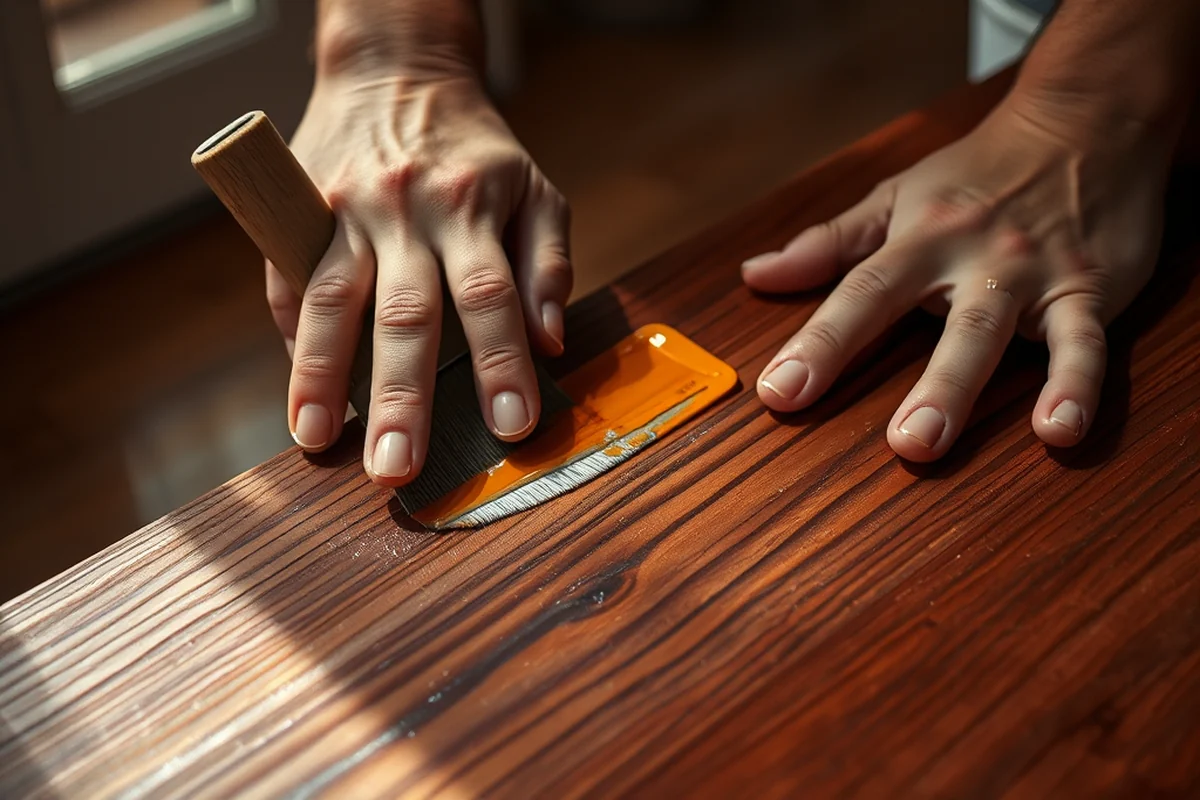
I once tried to use standard interior paint on my kitchen cabinets, thinking it would work. It looked great at first, but within a few weeks, the paint started to chip and fade. I realized that I had skipped using a proper primer designed for laminate surfaces.
After that, I invested in a bonding primer like Zinsser Bullseye 123, which is specifically formulated for slick surfaces. This primer creates a strong bond between the laminate and the paint, ensuring that the finish lasts longer.
I also now use a high-quality, water-based acrylic paint that’s designed for furniture. This combination has given me the best results so far — a smooth, even finish that resists chipping and fading.
Never skip the primer — it's the glue that holds your paint in place.
Related: Painting laminate furniture fixes ideas
The Risks of Skipping the Primer
On one of my projects, I decided to skip the primer to save time. The result was a disaster — the paint peeled off within two weeks, and I had to start over from scratch. This was a costly mistake that taught me the importance of following the proper steps.
I had assumed that the paint would adhere properly on its own, but without a primer, the paint couldn't bond with the laminate. The smooth, non-porous surface of the laminate simply repelled the paint, leading to an uneven and flaky finish.
Since then, I always apply a primer before painting — it's a small extra step that makes a huge difference in the final result.
Use a bonding primer like Zinsser Bullseye 123 — it ensures paint sticks and lasts.
“I remember the first time I tried painting my old kitchen table — it was supposed to be a quick fix for a dated look…”— Laminatelove editors
Related: Painting laminate furniture mistakes for beginners
The Importance of Proper Ventilation
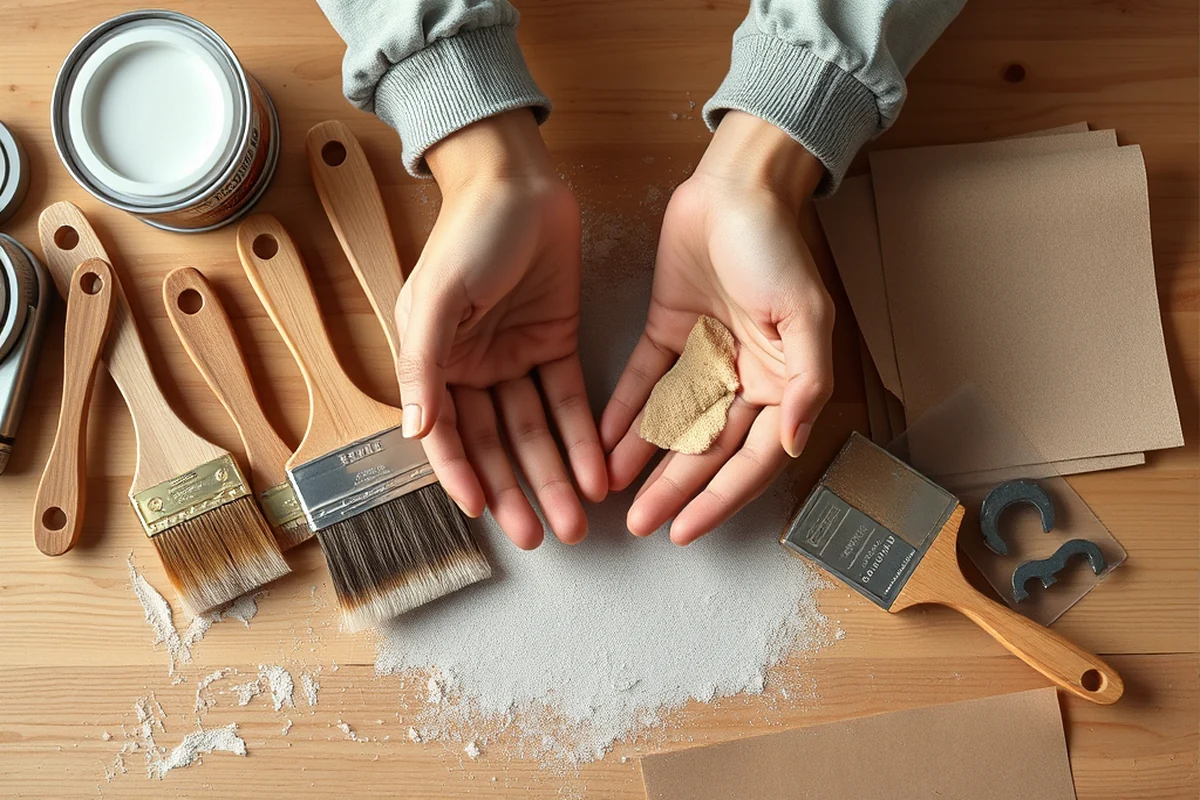
I once painted my living room cabinet in my apartment without opening any windows, thinking the fumes wouldn’t be a problem. Within a few hours, the room was thick with fumes and the paint didn’t dry evenly. The result was a dull, uneven finish that I had to sand down and repaint.
After that, I made sure to open all windows and use a fan to circulate air during the painting process. This helped the paint dry faster and more evenly, resulting in a much better finish.
Ventilation not only improves the quality of the paint job but also makes the experience safer and more comfortable, especially for those who are sensitive to fumes.
Related: Painting laminate furniture mistakes fixes for small spaces
The Dangers of Applying Too Thick a Coat
In one of my early attempts, I thought that applying thick coats would give a more even finish. Instead, the paint dripped and looked uneven. It took me two days to let the paint dry, and the result was still disappointing.
I learned that applying thin, even coats is the best approach. This allows the paint to dry properly and prevents the risk of drips and runs. I now use a brush with a fine tip and apply two thin coats, letting each one dry completely before applying the next.
This method has significantly improved the quality of my finished projects, and I now achieve a smooth, even finish with much less effort.
💰 Budget Build
Use affordable primers and paints to achieve a decent finish without breaking the bank.
⏰ Weekend Version
Complete your project in one day with minimal prep and faster-drying paint.
✨ Upgraded Finish
Achieve a high-gloss, professional-looking finish with a top coat and quality materials.
🛋️ Small-Space Adaptation
Paint smaller furniture pieces with ease using compact tools and minimal workspace.
🔒 Rental-Safe Option
Use removable paint or a temporary finish that won’t damage rental furniture.
| The mistake | Why it happens | The fix |
|---|---|---|
| Skipping the sanding step | Laminate is too smooth, and without sanding, paint won’t adhere properly. | Always use 220-grit sandpaper before applying primer and paint. |
| Using the wrong type of primer or paint | Standard paints and primers won’t bond well to laminate and will peel off quickly. | Use a bonding primer like Zinsser Bullseye 123 and high-quality, water-based acrylic paint. |
| Applying too thick a coat | Thick coats lead to dripping, uneven finish, and longer drying times. | Apply thin, even coats and let each one dry completely before applying the next. |
| Neglecting ventilation | Poor ventilation causes fumes and uneven drying, leading to a subpar finish. | Always paint in a well-ventilated area and use a fan to circulate air. |
Related: Painting laminate furniture mistakes fixes printable
Painting Laminate Furniture Mistakes Tips
Related: Painting laminate furniture mistakes for small spaces
The Impact of Humidity on Paint Adhesion
I also found that allowing the paint to dry in a low-humidity space for at least 24 hours after application improves adhesion. If you’re working in a naturally humid area, consider using fans to circulate air and reduce moisture buildup. Avoid painting in direct sunlight, as that can cause the paint to dry too quickly and lead to uneven coverage. Proper humidity management is a small step with a big impact on the longevity of your painted furniture.
The Overlooked Step of Sanding Between Coats
Another benefit I discovered is that sanding between coats allows me to inspect the surface for any missed spots or inconsistencies. It’s also a chance to fix any mistakes before they become permanent. I now make it a habit to sand and clean after each coat, and it has significantly improved the quality of my DIY projects. Whether you’re painting furniture or any other surface, don’t skip this overlooked but essential step.
The Neglect of Cleaning the Surface Thoroughly
Failing to clean the surface before painting can lead to paint failure and an unattractive finish.
I made the mistake of not cleaning my old laminate kitchen table before painting, and it came back to haunt me. There were oils from years of use, and even some residue from cleaning products that had been left behind. When I painted over that, the paint didn’t stick properly, and within a few weeks, it started peeling in places. I had to strip everything and start over, which was both time-consuming and costly.
Cleaning the surface properly is one of those steps that’s easy to skip but essential for a successful paint job. I learned that using a degreaser like Simple Green or a dedicated laminate cleaner before painting made a noticeable difference. It removed all the grime, oils, and residues that could interfere with the paint’s ability to bond with the surface. I now make sure to clean thoroughly before every step of the painting process.
Another thing I didn’t realize at first was that even water spots or dust particles on the surface could cause problems. I took to wiping the surface with a microfiber cloth after cleaning to ensure there was no leftover residue. This simple step helped prevent tiny bubbles and uneven spots in the final coat. Taking the time to clean the surface properly is one of the best investments you can make in your DIY project — it ensures that your paint adheres well and lasts longer.
The Hidden Cost of Rushing the Drying Process
Rushing the drying process can lead to peeling, cracking, and uneven finishes that require costly fixes.
I once painted a kitchen table and skipped letting the primer dry completely before applying the top coat. Within a week, the paint was peeling in strips, and I had to sand it all down and start over. The lesson? Letting each layer dry properly isn’t just a recommendation—it’s a necessity. Primer should dry for at least 2–4 hours, and paint coats need 4–6 hours between applications. Rushing this step can waste both time and money, especially when you factor in the cost of sandpaper, additional paint, and the frustration of redoing work.
When I finally took the time to let each coat dry fully, the results were dramatically better. The paint adhered more evenly, and the finish was smooth and long-lasting. I noticed a difference in the durability, too; the table now withstands daily use without showing wear. It’s easy to underestimate how much time this step takes, but in reality, it’s one of the most important steps in the entire process. If you’re working on a tight schedule, consider using fans or a dehumidifier to speed up drying without compromising the quality.
Another thing I learned the hard way is that some paints dry faster than others, and not all environments are the same. In a humid basement, even a small project can take longer to dry. I now keep a timer on my phone and mark each coat with the time it was applied. This simple habit has saved me from multiple redo attempts. Taking the time to let each layer dry properly is an investment in the longevity of your painted furniture—trust me, it’s worth it.
Common Questions
What’s the best primer for painting over laminate?
Can I paint over laminate without sanding?
How long should I wait between paint coats?
What type of paint works best on laminate furniture?
References
- The South Dakota Early Learning Guidelines (doe.sd.gov)
Cite this guide
Laminatelove (2026). Painting Laminate Furniture Mistakes Tips. https://laminatelove.com/painting-laminate-furniture-mistakes-tips/
Feel free to cite or share this guide.
Laminate Furniture Paint Calculator
Primer/paint/topcoat quantities and timing for laminate furniture.
Open it free →