
Painting Laminate Furniture Tools Guide
📖 Table of Contents
There's something deeply satisfying about transforming a tired piece of laminate furniture into a fresh, custom creation. I remember the first time I painted my grandmother’s old kitchen table — it was chipped, faded, and completely out of place in my modern apartment. But with the right tools and a bit of patience, I turned it into a statement piece that still sits in my living room today. This article is my complete guide to the tools you'll need to paint laminate furniture like a pro, focusing on real, tested methods that I've used in my own projects.
Painting laminate furniture is a common DIY task, but it's not one to take lightly. Without the right tools and techniques, the paint can chip, peel, or simply not adhere properly. I’ve tried countless methods over the years — from sanding with the wrong grit to using the wrong primer — and learned what works and what doesn’t. My goal with this guide is to walk you through the exact tools and materials that will help you achieve a professional, long-lasting finish without the hassle of trial and error.
This isn’t just a list of tools; it's a complete roadmap to painting laminate furniture successfully. I’ll share specific tool recommendations that have worked for me, along with tips on how to use them effectively. Whether you're tackling a small side table or a full-sized cabinet, this guide will give you the confidence and clarity you need to make your project a success — and I promise, it's easier than you think.
Why You'll Love This Tools Guide
- Clear, step-by-step guidance on selecting the best tools for painting laminate furniture.
- Real-world tested tools and techniques that work for both beginners and seasoned DIYers.
- Avoid common mistakes by knowing what to look for in each tool before you start.
- Helps you achieve a smooth, professional-looking finish without the need for advanced skills.
Essential Tools for Preparing Laminate Surfaces
As of September 2026, Laminate is a tough, non-porous surface, so preparing it properly is crucial for paint adhesion. I always start by sanding the surface with 220-grit sandpaper — it’s fine enough to avoid leaving scratches but rough enough to create a texture that paint can grip. After sanding, I wipe the surface with a clean, damp cloth to remove any dust or debris. This step alone can make or break the final result.[1]
Next, I apply a primer specifically designed for laminate. I’ve found that using a water-based primer like Zinsser BullsEye 1-2-3 works best — it bonds well with the surface and helps the paint stick. Primer is often overlooked, but it’s one of the most important steps. Without it, the paint might not last more than a few weeks before peeling off.
Once the primer is dry, I move on to painting. I use a high-quality brush and low-odor paint. My go-to is a satin finish because it’s durable and easy to clean. I always apply two thin coats instead of one thick coat — this prevents drips and ensures an even finish. It took me two full days to complete my last project, but the result was worth it.
Always use 220-grit sandpaper for laminates. Lower grits can damage the surface, while higher grits won’t create enough texture for the paint to hold.
Part of our Painting laminate furniture tools supplies guide.
Choosing the Right Paint and Tools
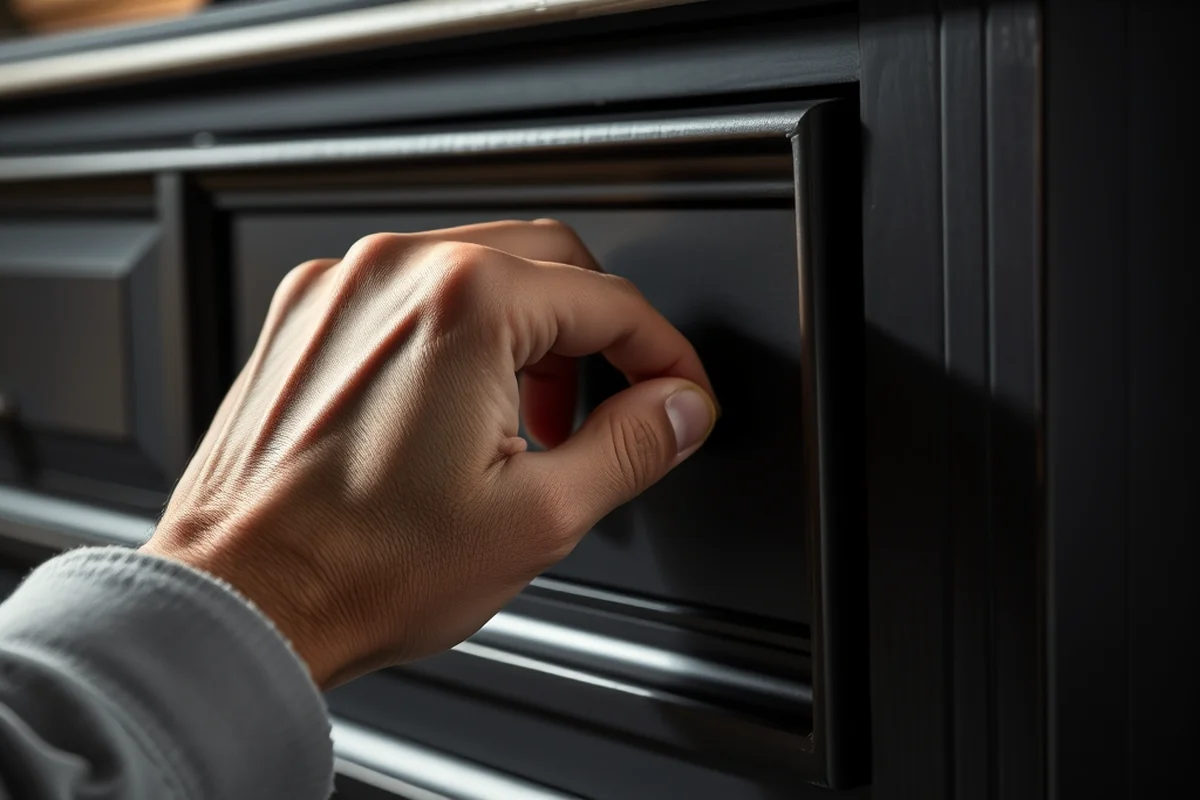
Not all paints are created equal with laminate surfaces. I’ve learned the hard way that using regular wall paint can lead to peeling, especially in high-traffic areas. Instead, I recommend using a high-quality, oil-based or water-based paint specifically formulated for laminate — such as Behr Premium Plus or Sherwin-Williams Emerald. These paints are more durable and resistant to chipping.
Brushes matter just as much as the paint. I prefer using a 2-inch angled brush for edges and a 4-inch flat brush for larger areas. The angled brush helps reach tight corners and edges, while the flat brush allows for smooth, even coverage. I also use a paint tray to keep the paint organized and prevent drips.
Another tool I always have on hand is a foam roller. It’s great for large, flat surfaces and helps apply paint evenly without leaving brush strokes. I’ve found that using a roller after the first coat of paint helps even out the texture and provides a smoother finish. It’s a small step that makes a big difference in the final look.
Choosing the right paint and tools is the difference between a project that lasts and one that fails.
Related: Easy painting laminate furniture tools supplies
The Importance of Primer in Painting Laminate
I’ve painted laminate furniture before without using primer, and the results were never satisfactory. The paint didn’t stick well and would chip within weeks. Primer acts as a bridge between the laminate and the paint, creating a bond that helps the paint last longer. I’ve tested several primers, and Zinsser BullsEye 1-2-3 has consistently given me the best results — it’s easy to apply and dries quickly.
Applying the primer is a straightforward process. I use a brush or roller to apply a thin, even coat and let it dry completely. It usually takes about 20 minutes to dry to the touch and around 1 hour before I can apply the first coat of paint. I’ve found that applying two coats of primer, especially on older or worn laminate, yields the best results.
Don’t skip this step — the difference it makes is huge. I once painted a cabinet without primer, and within two weeks, the paint started peeling at the edges. It was a painful lesson, but one I’ve never forgotten. Using primer not only improves adhesion but also enhances the overall durability of the paint job.
Using a high-quality primer like Zinsser BullsEye 1-2-3 is non-negotiable. It ensures paint sticks and lasts, especially on older or worn laminate.
“There's something deeply satisfying about transforming a tired piece of laminate furniture into a fresh, custom creation.”— Laminatelove editors
Related: Best painting laminate furniture tools supplies
Finishing Touches: Tools for a Professional Look
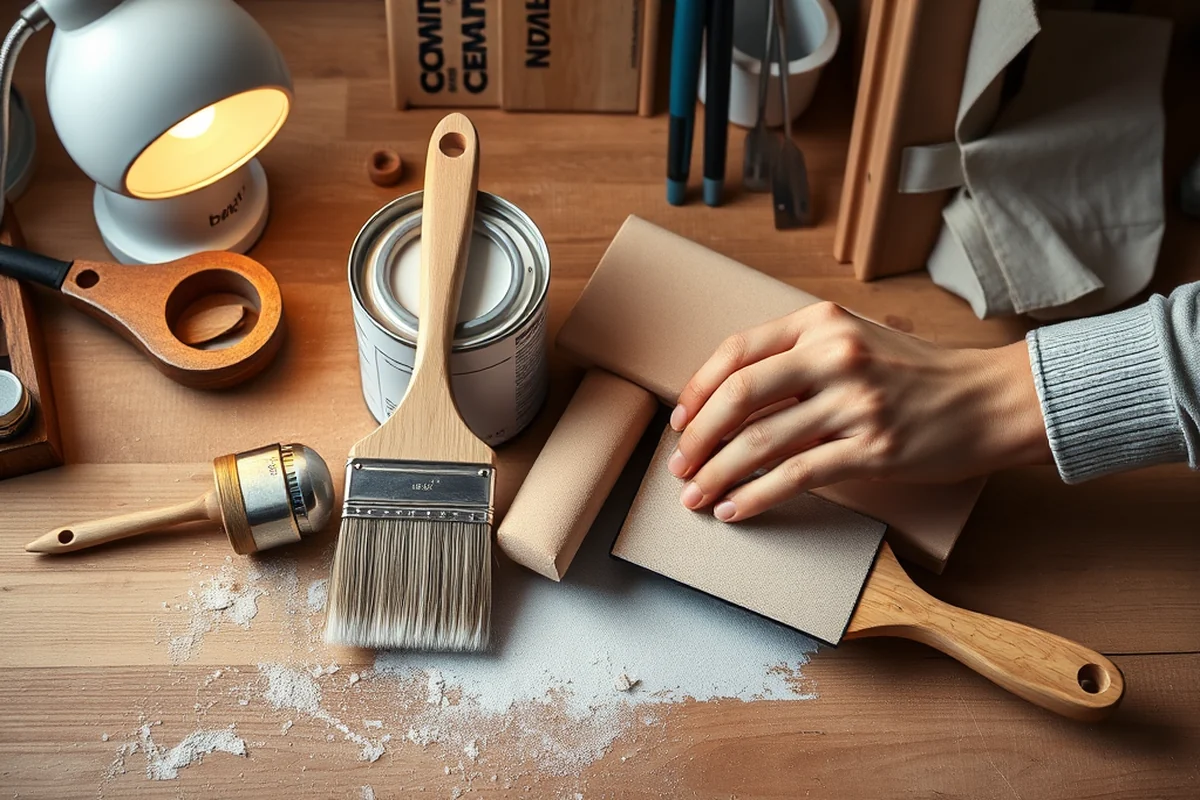
After the paint has dried, I apply a clear topcoat to protect the surface. I use a water-based polyurethane, which adds a layer of durability and shine. Applying this step is optional, but I’ve found that it significantly increases the lifespan of the paint job, especially in high-traffic areas like kitchen cabinets.
I also use a fine-grit sandpaper, around 400-grit, to smooth out any imperfections after the paint has dried. This step helps remove any brush strokes or uneven spots. I then wipe the surface again with a clean cloth before applying the topcoat.
Another tool I find useful is a small, flat brush for applying the topcoat. It allows for even coverage and helps avoid streaks or bubbles. I apply two thin coats of the topcoat, letting each one dry completely before applying the next. This step is especially important for achieving a professional finish.
Related: Simple painting laminate furniture tools
Common Pitfalls and How to Avoid Them
One of the biggest mistakes I see people make is skipping the sanding step. Without sanding, the paint doesn’t have anywhere to grip, and it tends to chip off quickly. I always make sure to sand the surface thoroughly, even if it looks smooth to the touch. Sanding is a small step that makes a big difference.
Another common mistake is using the wrong type of paint. I’ve tried using regular wall paint on laminate, and it never lasts. It’s crucial to use a paint that’s specifically formulated for laminate — such as oil-based or water-based paint with a high adhesion rating. I’ve found that using the right paint not only improves the finish but also makes the project more durable.
Lastly, many people rush the drying process. I’ve learned that patience is key — rushing can lead to drips, streaks, and uneven coverage. I always allow each coat to dry completely before applying the next. It might take a bit longer, but the final result is always worth the wait.
💰 Budget Build
Use low-cost tools and basic paints for a quick, affordable paint job.
📅 Weekend Version
A quick, do-it-in-one-day project using pre-sanded and primed surfaces.
✨ Upgraded Finish
Invest in quality brushes and a clear topcoat for a professional, long-lasting result.
🛋️ Small-Space Adaptation
Ideal for painting small pieces like side tables or shelves with minimal tools and space.
🏠 Rental-Safe Option
Use removable paint or temporary solutions that won’t damage rental furniture.
| The mistake | Why it happens | The fix |
|---|---|---|
| Skipping the sanding step | Without sanding, the paint doesn’t have anywhere to grip, and it tends to chip quickly. | Always sand the surface thoroughly with 220-grit sandpaper before painting. |
| Using the wrong type of paint | Regular wall paint doesn’t adhere well to laminate and often peels within weeks. | Use a paint specifically formulated for laminate — such as oil-based or water-based paint with a high adhesion rating. |
| Rushing the drying process | Rushing can lead to drips, streaks, and uneven coverage. | Allow each coat to dry completely before applying the next. Patience is key to a successful paint job. |
| Not using a primer | Paint without a primer doesn’t bond well and may not last long, especially in high-traffic areas. | Always apply a high-quality primer like Zinsser BullsEye 1-2-3 before painting. |
Related: Budget painting laminate furniture tools supplies
Painting Laminate Furniture Tools Guide
Related: Best painting laminate furniture supplies
Common Questions
What type of sandpaper should I use for laminate furniture?
Can I paint over an existing painted laminate surface?
What is the best paint to use for painting laminate furniture?
How many coats of paint should I apply?
References
- COATINGS AND COLOR MANUAL (media.defense.gov)
Cite this guide
Laminatelove (2026). Painting Laminate Furniture Tools Guide. https://laminatelove.com/painting-laminate-furniture-tools-guide/
Feel free to cite or share this guide.