
What's The Best Paint For Furniture

📖 Table of Contents
There’s something deeply satisfying about giving a tired old chair a new life with just a few coats of paint. I remember the first time I tried it — a cracked, yellowed end table from my grandmother’s house that had been gathering dust for years. I picked up a can of chalk paint, gave it a few quick coats. Within hours, it was transformed into a soft, warm piece of furniture that looked like it had just stepped out of a design magazine. That was the moment I realized how powerful the right paint could be. It wasn’t just about aesthetics; it was about restoring value and purpose to something that had been forgotten.[2]
I’ve since painted everything from kitchen cabinets to outdoor benches, and each project has taught me something new about what makes a paint truly effective for furniture. The best paint for furniture isn’t just about how it looks when it dries — it’s about how it holds up to daily use, how easy it is to apply. How well it protects the underlying wood or surface. I’ve tested dozens of products over the years, from oil-based enamels to water-based acrylics. I’ve learned that the best results come from understanding the properties of each type of paint and how they interact with different surfaces.[3]
If you’re standing in a hardware store, staring at a wall of paint cans with no idea where to start, I get it. It can be overwhelming. But I’m here to help you cut through the noise and find the paint that will give you the results you want — without the frustration. In this guide, I’ll walk you through exactly what to look for, the pros and cons of different types of paint, and the real-world tips I’ve picked up along the way. Whether you’re a first-time DIYer or a seasoned pro, you’ll walk away with a solid understanding of what makes the best paint for furniture.[4]
Why You'll Love This Paint Guide
- Detailed, real-world comparisons of paint types and their performance.
- Specific recommendations based on surface type and use case.
- Step-by-step insights into how to choose the best paint for your furniture project.
- Avoid costly mistakes with actionable tips that come from years of hands-on experience.
Understanding Paint Types for Furniture
As of November 2026, Oil-based paints are known for their durability and high gloss finish, but they’re difficult to clean and take longer to dry. I’ve used them for high-traffic areas, like dining tables, and found they hold up well to spills and scratches. However, the strong chemical smell and long drying time made them less ideal for smaller projects.
Water-based paints, on the other hand, are easy to clean up with just water and dry much faster. They’re perfect for beginners and are great for painting cabinets or chairs that need a quick turnaround. I’ve used a water-based acrylic paint on an old bookshelf and had it ready to use within two days, with no harsh fumes.
Chalk paint is a game-changer for those who want a matte, distressed look with minimal effort. I used it on an old farmhouse table and achieved a beautiful, aged finish in under an hour. It adheres to wood and metal surfaces without the need for sanding, but it requires a top coat to protect it from wear and tear.
Test a small area first to see how different paints interact with your furniture’s material. Some paints work better on wood, while others are ideal for metal or laminate.
Part of our Painting laminate furniture guide.
The Importance of Primer
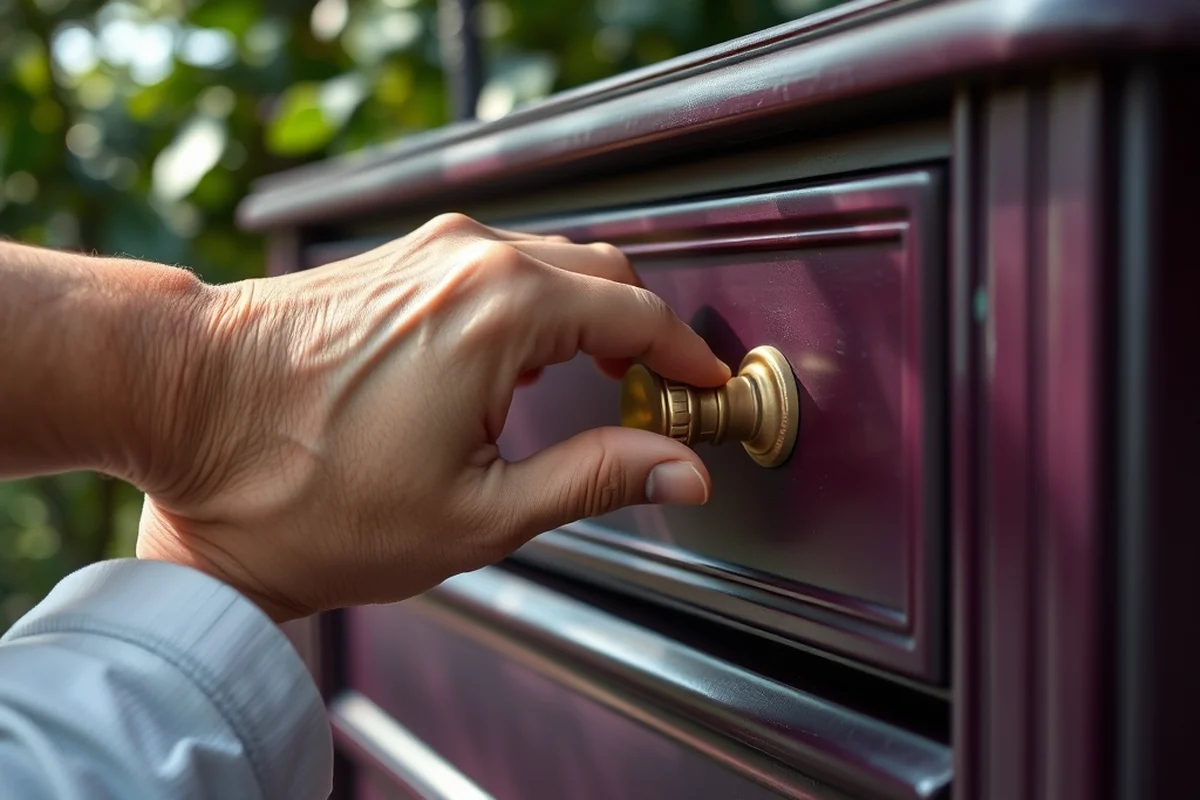
I’ve learned the hard way that skipping the primer can lead to peeling paint and a short-lived finish. Primer creates a strong bond between the paint and the surface, ensuring even coverage and longevity. I once painted a wooden sideboard without primer and had to repaint it within a month because the paint started to flake off.
For surfaces like laminate or painted wood, a bonding primer is essential. I used a bonding primer on an old kitchen table that had been painted many times before, and it stuck perfectly. The result was a smooth, even finish that lasted over a year without any issues.
Primer also helps cover imperfections and provides a uniform base for the paint to sit on. I found that using a primer on a cracked table leg significantly reduced the number of paint coats needed, saving both time and materials.
Primer is the unsung hero of any furniture painting project.
Related: Natural paint cheap laminate furniture
Choosing the Right Finish
Glossy finishes are great for high-traffic areas because they’re easier to clean, but they highlight every imperfection on the surface. I used a glossy paint on my dining table, and it looked perfect — until I noticed every tiny scratch and bump.
Semi-gloss finishes offer a good balance between durability and a less harsh look. I painted my living room bookshelf with semi-gloss paint, and it looked elegant without being too shiny. It also wiped down easily, which was a bonus.
Matte finishes give a soft, elegant look but are more prone to scuffing and require a protective top coat. I used a matte paint on my bedroom dresser, and it looked amazing — until my toddler started climbing on it and left a few marks. I had to apply a clear top coat to protect it.
Use glossy or semi-gloss finishes on areas that get a lot of use, and opt for matte or satin finishes in more decorative or low-traffic spaces.
“There’s something deeply satisfying about giving a tired old chair a new life with just a few coats of paint.”— Laminatelove editors
Related: Furniture restoration products how to choose
The Role of Top Coats and Sealants
I once painted a set of chairs with chalk paint and was thrilled with the finish — until the first rainstorm. The chairs were left outside for a weekend, and the paint started to chip and fade. That’s when I realized the importance of using a top coat or sealant.
Top coats come in various forms, from clear polyurethane to wax-based sealants. I’ve used polyurethane on painted cabinets and found it to be extremely durable. It’s not as easy to apply as wax, but it lasts longer and is more resistant to water and wear.
Wax sealants are a great option for a softer, more traditional look. I used a wax sealant on a painted farmhouse table and found that it gave it a warm, aged finish that looked beautiful. However, it requires more frequent reapplication than a polyurethane top coat.
Related: Best painting laminate furniture
How to Prepare Your Furniture for Painting
I learned that cleaning your furniture before painting is crucial. I once painted a dusty old chair without cleaning it first, and the paint didn’t stick properly. The result was a patchy, uneven finish that I had to repaint.
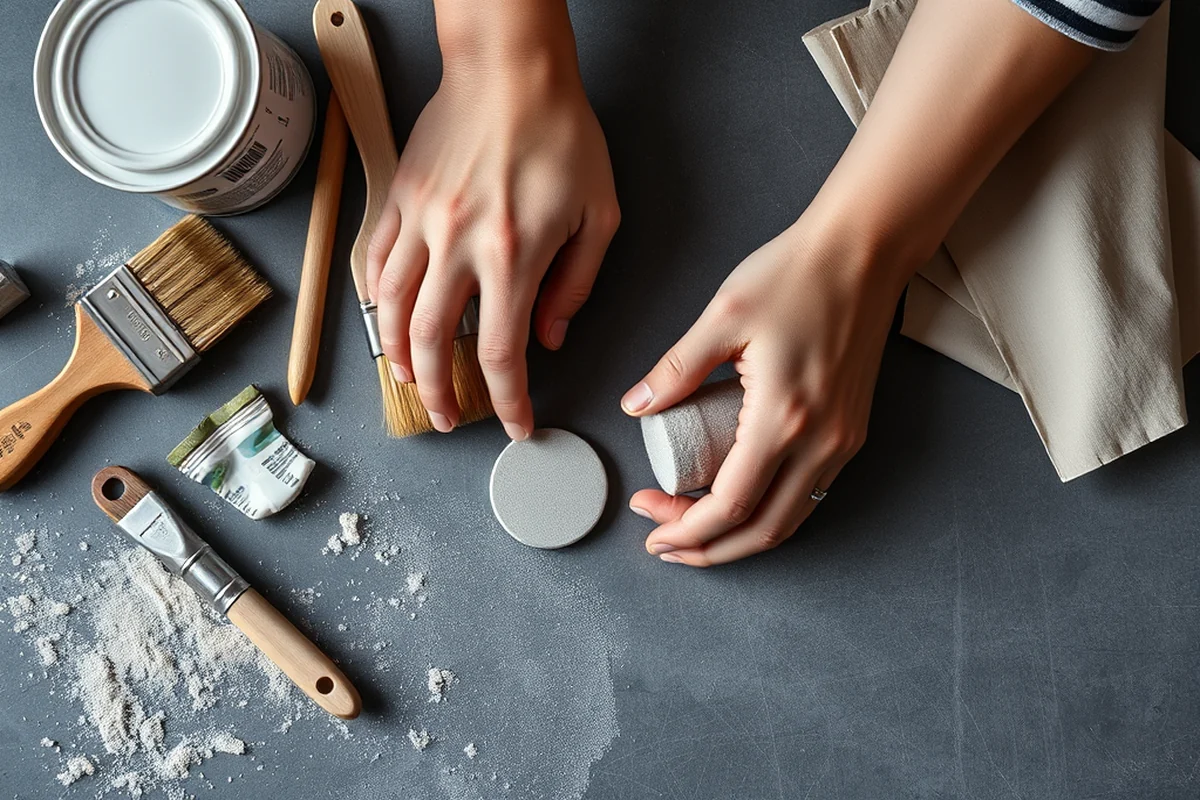
Sand your furniture lightly to create a rougher surface for the paint to grip. I used 220-grit sandpaper on a wooden coffee table and found that it helped the paint adhere better. Be sure to wipe away any dust afterward with a damp cloth.[1]
If your furniture has existing paint that’s peeling or chipping, you’ll need to scrape it off before proceeding. I used a plastic scraper on a worn-out bookshelf and was able to remove most of the old paint without damaging the wood underneath.
Related: Painting laminate furniture ideas
The Best Paint Brands for Furniture
Sherwin-Williams is a brand I’ve used multiple times and always been impressed with. Their water-based paints dry quickly, are easy to apply, and provide a durable finish. I used one of their satin finishes on a set of dining chairs and was happy with the result.
Farrow & Ball is a favorite for those who want a luxurious, high-end look. Their paints are known for their rich color depth and smooth application. I tried one of their colors on a living room cabinet, and it looked like it had been professionally painted.
Chalk Paint by Annie Sloan is a must-have for anyone looking to achieve a distressed, vintage finish. I used it on an old dresser and was able to create a beautiful, aged look with just a few coats.
Brand doesn’t always mean better, but these names consistently deliver.
Related: Fast paint laminate furniture
Painting Techniques That Make a Difference
I’ve found that using a brush rather than a roller gives a more even finish, especially on detailed furniture pieces. I painted a carved mirror frame with a small brush and was able to get into all the nooks and crannies without leaving brush marks.
Spraying paint can be faster but requires more skill to avoid overspray. I used a spray can on a set of outdoor benches and was able to cover the entire surface quickly. However, I had to be careful to avoid getting paint on the surrounding areas.
Using a foam brush is a great option for those who want a smooth, even finish without the need for multiple coats. I used a foam brush on a wooden headboard and was able to cover it in just two coats, saving time and materials.
💰 Budget Build
Use affordable, water-based paints and skip the primer for a quick, low-cost refresh.
⏰ Weekend Version
Choose fast-drying, easy-to-apply paints so you can complete your project in one day.
✨ Upgraded Finish
Invest in high-quality paints and top coats for a professional-looking, long-lasting result.
🛋️ Small-Space Adaptation
Use chalk paint or spray paint for small furniture pieces that need a quick, elegant update.
🏠 Rental-Safe Option
Opt for low-odor, water-based paints that are safe for rental properties and easy to remove.
| The mistake | Why it happens | The fix |
|---|---|---|
| Skipping the primer | Without a primer, the paint may not adhere properly and can peel or flake over time. | Always apply a bonding primer before painting, especially on surfaces like wood, metal, or laminate. |
| Using the wrong paint for the surface | Some paints don’t adhere well to certain surfaces, leading to poor results and the need for reapplication. | Choose a paint that is suitable for the surface you’re painting, and always test a small area first. |
| Applying too much paint at once | Applying too much paint can lead to drips, streaks, and an uneven finish. | Apply thin, even coats and allow each coat to dry completely before applying the next one. |
| Forgetting to clean the furniture | Painting over a dirty surface can lead to poor adhesion and an uneven finish. | Clean your furniture thoroughly with soap and water before painting to ensure the paint sticks properly. |
What's The Best Paint For Furniture
Common Questions
Can I paint over lacquered furniture?
How long should I wait before applying a top coat?
Is it necessary to sand before painting?
Can I use the same paint for both wood and metal surfaces?
References
- Formaldehyde in Your Home: What you need to know | ATSDR (archive.cdc.gov)
- Paint and Coating Stripping Operations - Additional Information (archive.epa.gov)
- Furniture Manufacturing | P2 - ADEQ (azdeq.gov)
- Lead in Paint | CPSC.gov - Consumer Product Safety Commission (cpsc.gov)
Cite this guide
Laminatelove (2026). What's the Best Paint for Furniture and How to Choose It. https://laminatelove.com/what-s-the-best-paint-for-furniture/
Feel free to cite or share this guide.
Laminate Furniture Paint Calculator
Primer/paint/topcoat quantities and timing for laminate furniture.
Open it free →