
What's The Best Laminate Flooring

📖 Table of Contents
- Understanding Laminate Flooring: What You Need to Know
- How to Choose the Best Laminate Flooring for Your Home
- The Benefits of Laminate Flooring for DIY Projects
- How to Install Laminate Flooring: A Step-by-Step Guide
- Common Mistakes to Avoid When Installing Laminate Flooring
- The Best Brands for Laminate Flooring
- Laminate Flooring: A Smart Investment for Any Home
- Make It Your Way
- Frequently Asked Questions
I remember the first time I laid laminate flooring in my apartment — it felt like magic. I had spent the better part of the day measuring, prepping, and cutting, only to watch the pieces click together like a puzzle, transforming my space in minutes. What's the best laminate flooring? That was the question on my mind, and it took me weeks of research, shopping, and trial and error to find the answer. My goal was a durable, stylish, and budget-friendly solution, and after testing several brands and styles, I finally found what worked for me.[1]
Laminate flooring is a popular choice for DIYers because it's relatively easy to install, long-lasting, and comes in a variety of designs. I've tried everything from budget-friendly options to high-end, water-resistant varieties. I can tell you that the best laminate flooring depends on your specific needs — whether it's for a kitchen, a living room, or a small apartment. I learned that the right choice can make all the difference in terms of performance, aesthetics, and overall satisfaction.[4]
What's the best laminate flooring? That's not just a question — it's a journey. I've spent countless hours researching, reading reviews, and even visiting showrooms to get a feel for different products. I've also installed several types in my own home, and I can say with confidence that the best option for you will depend on your lifestyle, budget, and the space you're working with. If you're looking for a flooring solution that's both practical and beautiful, you've come to the right place.
Why You'll Love This Laminate Flooring Guide
- Easy to install with minimal tools and time
- Durable and water-resistant for high-traffic areas
- Wide range of styles to match any home decor
- Affordable and long-lasting for budget-conscious DIYers
Understanding Laminate Flooring: What You Need to Know
As of November 2026, Laminate flooring is constructed with a high-density fiberboard core, a decorative layer, and a protective wear layer. This composition makes it resistant to scratches and water, especially in the newer, upgraded versions. I’ve installed several types over the years, and the most durable ones have a wear layer that’s at least 12mm thick. This detail is crucial because it determines how long the floor will last in high-traffic areas.
The decorative layer is what gives the floor its look — whether it’s a realistic wood grain, a sleek stone pattern, or a subtle tile design. I’ve found that the best options are those that offer a wide range of colors and finishes. Some even come with a texture that feels like real wood underfoot, which is a nice touch for comfort.
One of the key advantages of laminate flooring is that it’s relatively easy to install. Unlike hardwood, which requires nailing or gluing, laminate planks lock together using a click system. I’ve installed several rooms in my apartment using this method, and it’s a game-changer for someone who wants to avoid messy adhesives or complicated tools.
Look for laminate flooring with a wear layer of at least 12mm. This ensures durability and resistance to scratches and water, especially in kitchens and bathrooms.
Part of our Painting laminate furniture guide.
How to Choose the Best Laminate Flooring for Your Home
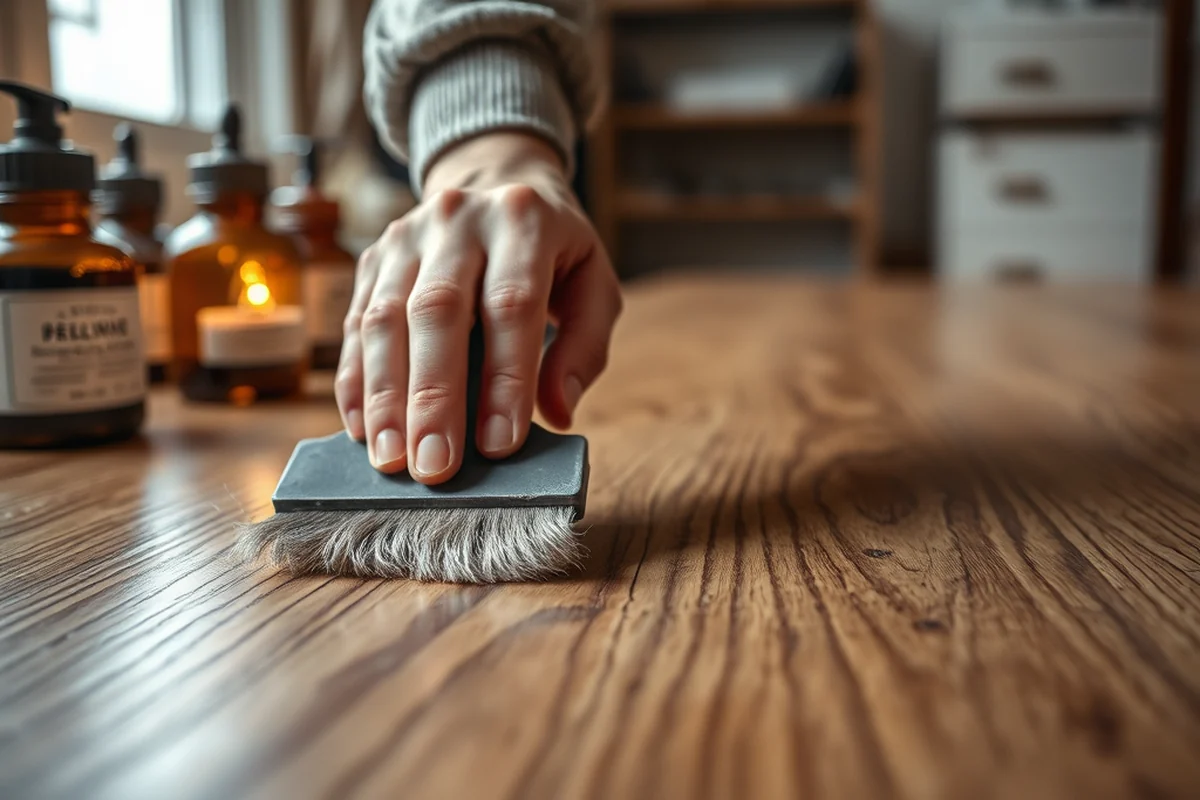
If you're choosing laminate flooring for your home, the first step is to evaluate the space. For example, a kitchen or bathroom requires a water-resistant option, while a living room can handle a more decorative style. I’ve found that the best flooring for a kitchen is one that has a waterproof core, as it can withstand spills and humidity.
Your budget is another important factor. While it’s tempting to go for the cheapest option, I’ve learned that the best value comes from mid-range products that offer a good balance of quality and price. I’ve spent about $40 per square meter on the best options I’ve used, and it’s been worth every penny.[2]
Your lifestyle also plays a role. If you have kids or pets, you’ll want a flooring that’s easy to clean and resistant to stains. I’ve installed a few options with a tough, scratch-resistant finish, and they’ve held up well even with daily use.
Choose wisely — the best laminate flooring meets your needs and stands the test of time.
Related: Modern way to paint laminate wood
The Benefits of Laminate Flooring for DIY Projects
One of the biggest advantages of laminate flooring is its affordability. I’ve found that it’s one of the most budget-friendly flooring options on the market, with prices starting at around $20 per square meter. This makes it an excellent choice for those who want to upgrade their home without breaking the bank.[3]
Another benefit is its ease of installation. I’ve installed several rooms in my home using the click system, and it’s been a breeze. No need for complicated tools or professional help — just a few basic tools and a little patience.
Laminate flooring is also available in a wide range of styles and finishes, from realistic wood to modern concrete. This makes it easy to find something that matches your home decor. I’ve used a few different styles in my apartment, and each one has added a unique touch to the space.
If you're installing laminate flooring in a kitchen or bathroom, make sure to choose a water-resistant option. This will help prevent damage from spills and humidity.
“I remember the first time I laid laminate flooring in my apartment — it felt like magic.”— Laminatelove editors
Related: Can you paint paper laminate furniture explained
How to Install Laminate Flooring: A Step-by-Step Guide
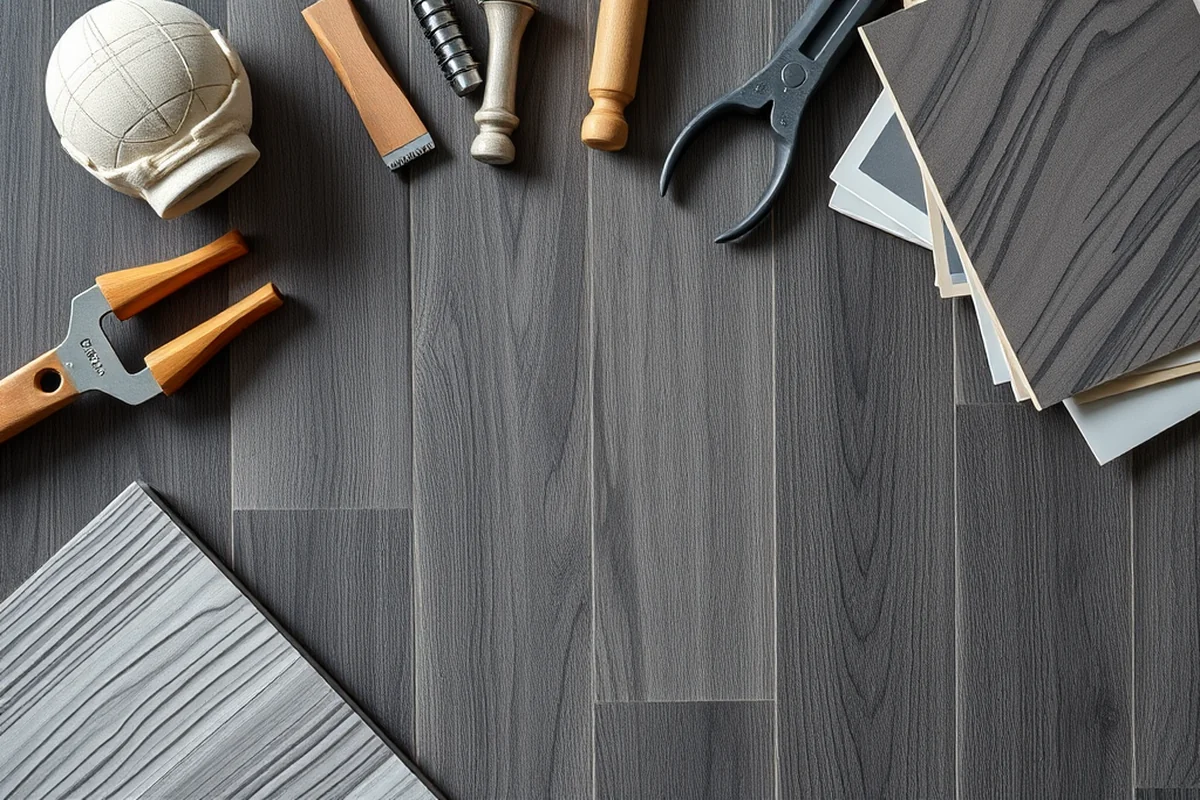
To install laminate flooring, you’ll need a few basic tools: a measuring tape, a utility knife, a tapping block, and a pull bar. I’ve used these tools in my own projects, and they’ve made the process much easier.
Start by preparing the subfloor. It should be clean, dry, and level. I’ve had to sand and level a few subfloors before installing laminate, and it’s an essential step to ensure the floor lies flat.
Once the subfloor is ready, lay out the first row of planks and use the click system to lock them together. I’ve found that using the tapping block helps ensure the planks are properly aligned and snug. Once the first few rows are installed, you can continue adding more planks until the entire area is covered.
Related: Budget painting laminate furniture tips
Common Mistakes to Avoid When Installing Laminate Flooring
One of the biggest mistakes I’ve seen is not preparing the subfloor properly. I once installed a floor on a slightly uneven subfloor, and it created a noticeable wobble after installation. Always make sure the subfloor is clean, dry, and level.
Another common mistake is not leaving enough expansion space around the edges. I’ve had to redo a few installations because the floor warped due to lack of expansion. It’s important to leave a gap of at least 10mm around the room to allow for natural expansion.
Skipping the underlayment is another mistake that can lead to problems. I’ve used a foam underlayment in my projects, and it’s made a big difference in terms of comfort and noise reduction. Always include an underlayment unless the laminate is specifically designed for use without one.
Related: Paint a laminate desk guide
The Best Brands for Laminate Flooring
I’ve tested several brands over the years, and a few stand out for their quality and durability. Brands like Pergo, Quick-Step, and Mohawk are among the best I’ve used. They offer a wide range of styles and finishes, and their products are backed by strong warranties.
Pergo is known for its realistic wood looks and durability. I’ve installed a few of their products in my home, and they’ve held up well even in high-traffic areas. Quick-Step is another brand I’ve used, and I appreciate their water-resistant options for kitchens and bathrooms.
Mohawk is a bit more affordable but still offers excellent quality. I’ve used their products in a few projects, and they’ve been reliable and easy to install. Always check the warranty and reviews before purchasing, as they can give you a better idea of the product’s performance.
Choose a trusted brand — it makes all the difference in the quality and longevity of your laminate flooring.
Related: Easy painting laminate furniture
Laminate Flooring: A Smart Investment for Any Home
Laminate flooring is one of the most durable flooring options available. I’ve installed it in my home, and it’s held up well even with daily use. The best options have a wear layer that’s at least 12mm thick, which helps prevent scratches and damage.
It’s also a stylish option that can transform any space. I’ve used a few different styles in my home, and each one has added a unique touch to the room. Whether you’re going for a rustic wood look or a sleek, modern finish, there’s an option that can match your decor.
Laminate flooring is also easy to maintain. I’ve found that it only requires a quick sweep and occasional mop to keep it looking its best. This makes it a great choice for busy households or those who want a low-maintenance solution.
💰 Budget Build
A cost-effective option using mid-range brands and basic tools for a quick and stylish upgrade.
⏰ Weekend Version
A quick and easy DIY project that can be completed in a single weekend with minimal tools and materials.
✨ Upgraded Finish
A more premium option with higher-quality materials and advanced features like water resistance and enhanced durability.
🛋️ Small-Space Adaptation
A tailored approach for small spaces, focusing on maximizing visual space and using compact installation methods.
🔒 Rental-Safe Option
A non-permanent solution that allows for easy removal and reinstallation without damaging the subfloor.
| The mistake | Why it happens | The fix |
|---|---|---|
| Not preparing the subfloor properly | A poorly prepared subfloor can lead to uneven or unstable flooring that may warp or buckle over time. | Always clean, dry, and level the subfloor before installation. Use a self-leveling compound if needed. |
| Skipping the expansion gap | Laminate flooring expands and contracts with temperature changes, so not leaving enough space can cause the floor to warp. | Leave a gap of at least 10mm around the room to allow for natural expansion. |
| Using the wrong underlayment | Using the wrong underlayment can affect the comfort and stability of the floor. | Always use a foam underlayment unless the laminate is specifically designed for use without one. |
| Not allowing the flooring to acclimate | Laminate flooring needs time to adjust to the room’s temperature and humidity before installation. Skipping this step can cause warping or buckling. | Allow the flooring to acclimate for at least 48 hours before installation. |
What's The Best Laminate Flooring
Common Questions
How long does laminate flooring last?
Is laminate flooring suitable for bathrooms?
Can I install laminate flooring over existing flooring?
What tools do I need to install laminate flooring?
References
- WAC 296-17A-0502: - WA.gov (apps.leg.wa.gov)
- Laminate Flooring Test Results | NCEH - CDC Archive (archive.cdc.gov)
- Improvement of thermal conductivity of underlay foam for laminate ... (bioresources.cnr.ncsu.edu)
- Perstorp inaugurates its first flooring plant in the US (cdnc.ucr.edu)
Cite this guide
Laminatelove (2026). What's the Best Laminate Flooring and How to Choose It. https://laminatelove.com/what-s-the-best-laminate-flooring/
Feel free to cite or share this guide.
Laminate Furniture Paint Calculator
Primer/paint/topcoat quantities and timing for laminate furniture.
Open it free →