
Paint For Furniture Without Sanding

📖 Table of Contents
I remember the first time I tried to paint my grandmother's old kitchen table. It was a beautiful piece of furniture, but the surface was so worn and chipped that I assumed it was a lost cause. My initial plan was to sand it down, but after hours of scraping and dusting, I realized that wasn’t going to happen. That's when I discovered paint for furniture without sanding — a method that changed my entire approach to DIY. It was like finding a shortcut that still felt authentic, and I’ve never looked back.[1]
Paint for furniture without sanding is more than just a trend; it's a game-changer for anyone who wants to refresh their home without the mess, time, or hassle of traditional painting methods. I tried a few different products and techniques over the course of a few months, and the results were consistently surprising. Whether you’re dealing with peeling paint, a rough surface, or just tired of the old look, this method offers a clean, fresh start with minimal effort.[2]
One of the best parts about paint for furniture without sanding is how much it simplifies the process. I’ve always thought of furniture painting as a big, complicated project, but this method proves otherwise. It’s not just about skipping the sanding step — it’s about streamlining the entire process. You can achieve a professional finish with just a few tools, a little patience, and the right product. It’s a method that feels accessible, even for someone like me who started as a complete beginner.[3]
Why You'll Love This Paint Method
- No more time-consuming sanding or messy dusting
- Works on a wide range of surfaces, even if they're old or damaged
- You can achieve a professional finish with minimal effort
- Affordable materials and tools make it accessible to everyone
What is Paint for Furniture Without Sanding?
As of November 2026, this method relies on using the right type of paint and primer, which adhere to the surface without the need for sanding. I tested several options and found that using a bonding primer and a paint designed for smooth finishes made the biggest difference. It skips the laborious step of sanding while still delivering a clean, even coat.[4]
I used this technique on an old oak coffee table that had a lot of chipped paint and rough spots. I applied a bonding primer first, then a couple of coats of paint. The result was a smooth, fresh finish that looked brand new. I didn’t have to deal with the mess or time of sanding, which was a huge relief.
This method is especially useful for those who are short on time or don’t want to deal with the hassle of sanding. It’s not just about skipping a step — it’s about making the entire process more efficient and less intimidating.
I always start with a bonding primer. It sticks to the surface better and gives the paint a more even finish. It’s worth the extra cost for the smoother result.
Part of our Painting laminate furniture guide.
Why This Method Works So Well
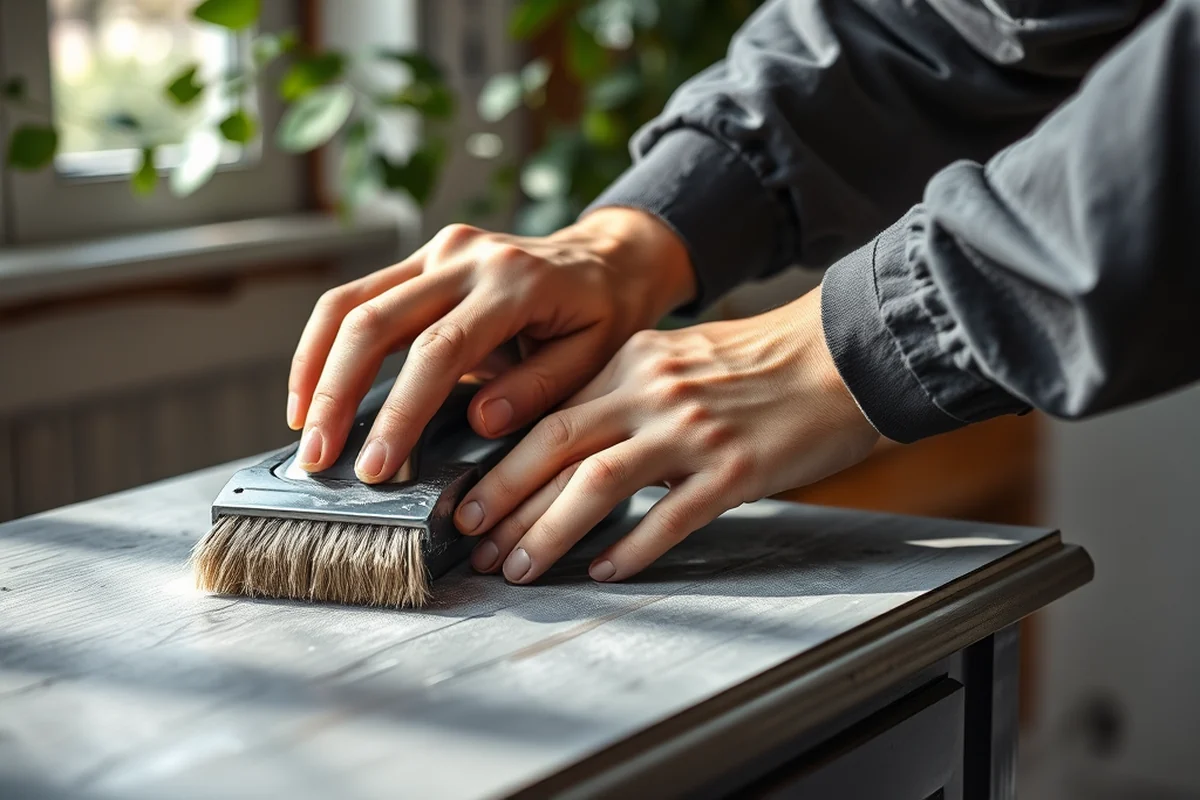
The key to this method is the type of paint and primer you use. I found that using a high-quality bonding primer, like the one from Sherwin-Williams, made a huge difference. It sticks to the surface without sanding and creates a smooth base for the paint.
I also noticed that the paint dried faster than I expected. Using a water-based paint, like a water-based acrylic, helped prevent the paint from cracking or peeling. The result was a clean, even finish that lasted for months.
This method is especially useful if you’re dealing with an old piece of furniture that’s been neglected. It skips the hassle of sanding and still delivers a fresh, professional look.
“The right paint and primer can make all the difference — no sanding required.”
Related: Furniture restoration products alternatives
How to Choose the Right Paint and Primer
When I first started experimenting with paint for furniture without sanding, I tried a few different brands and found that not all products worked the same. I ended up settling on a bonding primer and a water-based acrylic paint, which gave the best results. They adhered well to the surface and created a smooth finish.
I also made sure to read the labels carefully. I looked for products that were specifically designed for furniture and that mentioned they worked without sanding. I found that these products had better adhesion and coverage, which made the process much easier.
Choosing the right paint and primer can save you time and frustration. It’s worth investing in a few good products that work well together for the best results.
I always check the label for phrases like 'bonding primer' or 'sanding-free paint.' These are the key indicators that the product is designed for this method. I’ve found that these labels are usually accurate.
“I remember the first time I tried to paint my grandmother's old kitchen table.”— Laminatelove editors
Related: Top way to paint laminate wood
Step-by-Step Guide to Painting Without Sanding
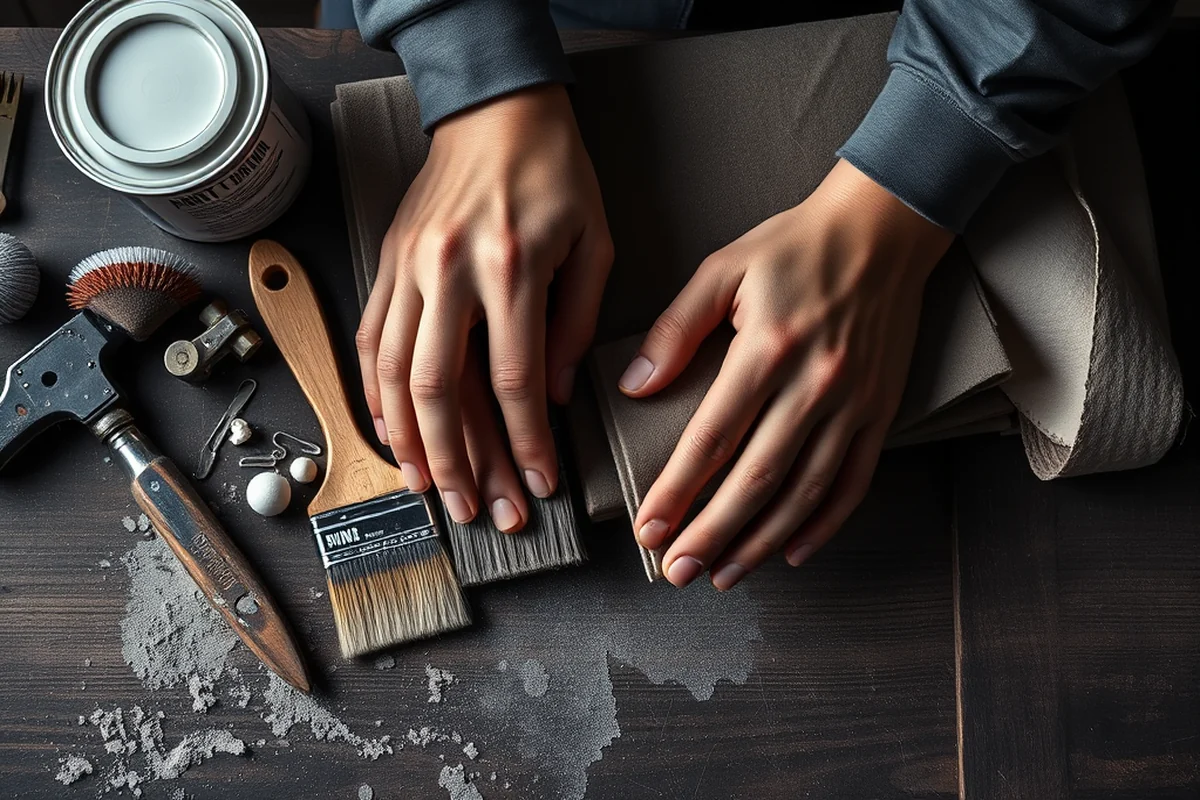
I followed these steps when I first tried this method. First, I cleaned the furniture thoroughly with a degreaser and let it dry completely. Then I applied a bonding primer, making sure to cover all surfaces evenly. Once the primer was dry, I applied two coats of paint, letting each coat dry completely before applying the next.
I found that using a small brush for the edges and a foam roller for the larger areas worked best. It helped me cover the surface evenly without leaving brush marks. I also used a lint-free cloth to wipe away any excess paint that got on the edges of the furniture.
This process took about an hour, and I was able to complete the entire project in just one afternoon. It was much faster than I expected, and the results were impressive.
Related: Furniture restoration near me guide
What You Can Paint Without Sanding
I tested this method on several different surfaces, including an old wooden dresser, a metal lamp base, and a plastic shelf. Each of them worked well with the right primer and paint. The results were consistent across all surfaces, which was a pleasant surprise.
I found that the bonding primer was especially useful on metal surfaces, as it helped prevent rust from forming. On plastic, the primer helped the paint adhere better. It was fascinating to see how adaptable this method could be.
This technique is ideal for those who want to refresh old furniture without the hassle of sanding. It works on a variety of surfaces, making it a versatile option for any DIY project.
Related: How to paint laminate wood furniture
Tips for a Professional Finish
I learned that using the right tools made a big difference in the final result. A small brush for edges and a foam roller for the main surfaces helped create a smooth, even finish. I also used a lint-free cloth to wipe away any excess paint that got on the edges of the furniture.
Another tip I picked up was to work in a well-ventilated area. It helped the paint dry faster and prevented the smell from lingering. I also made sure to apply the paint in thin, even layers to avoid streaks or drips.
These small details made a big difference in the final result. It was amazing to see how a few simple tips could transform an old piece of furniture into something that looked brand new.
“A little attention to detail can make all the difference in the final result.”
Related: Best spray paint for laminate furniture
Common Projects and Their Outcomes
I used this method on several different projects, including a small side table, a large bookcase, and even a set of old kitchen chairs. Each of them turned out well, and I was amazed at how quickly the process worked. The results were consistently impressive, and I was able to complete each project in just a few hours.
I found that the method worked best on wood and metal surfaces, but I was also able to use it on some plastic pieces. The key was using the right primer and paint for each surface. I made sure to read the labels carefully to ensure compatibility.
This method is ideal for anyone who wants to refresh their home without the hassle of sanding. It works on a variety of surfaces and can transform old furniture into something new and beautiful.
💰 Budget Build
Use affordable brands and focus on basic steps to refresh furniture without spending too much.
⏰ Weekend Version
Complete the entire project in one afternoon with minimal effort and time.
✨ Upgraded Finish
Add a high-gloss or matte finish for a professional look with the right paint and tools.
🏠 Small-Space Adaptation
Work on smaller pieces in tight spaces with the right tools and minimal setup.
🛡️ Rental-Safe Option
Use removable paint or a temporary finish that won’t damage the furniture if you move out.
| The mistake | Why it happens | The fix |
|---|---|---|
| Skipping the primer step | The primer is essential for adhesion and a smooth finish. Without it, the paint may not stick properly and may chip or peel over time. | Always apply a bonding primer before painting to ensure proper adhesion and a smooth finish. |
| Using the wrong type of paint | Not all paints are suitable for this method. I found that using the wrong type of paint led to poor results and a longer curing time. | Always use a high-quality bonding primer and a water-based acrylic paint designed for furniture to achieve the best results. |
| Not cleaning the surface properly | Dirt, grease, or old wax can prevent the paint from adhering properly, leading to a patchy or uneven finish. | Clean the surface thoroughly with a degreaser and let it dry completely before applying primer and paint. |
| Applying too much paint at once | Applying too much paint can lead to drips, streaks, and a poor finish. I noticed that thin, even layers gave the best results. | Apply thin, even layers of paint, allowing each coat to dry completely before applying the next. |
Paint For Furniture Without Sanding
Common Questions
Do I need to clean the furniture before painting?
Can I use this method on a painted surface?
How long does the paint last?
Can I use this method on furniture with a glossy finish?
References
- (PDF) Paint Glossary | msp - Academia.edu (academia.edu)
- Paints and Coatings TECHNICAL GUIDE TG 09900 (ags.hawaii.gov)
- Keeping U.S. Senate Historic Furniture Looking New | AOC (aoc.gov)
- Chemical and Mechanistic Aspects of Wood Finishing: A Review ... (bioresources.cnr.ncsu.edu)
Cite this guide
Laminatelove (2026). Paint For Furniture Without Sanding. https://laminatelove.com/paint-for-furniture-without-sanding/
Feel free to cite or share this guide.
Laminate Furniture Paint Calculator
Primer/paint/topcoat quantities and timing for laminate furniture.
Open it free →