
Small Painting Laminate Furniture
📖 Table of Contents
I remember the first time I painted a small piece of laminate furniture — a narrow kitchen shelf that had long since lost its luster and taken on a dull, yellowed sheen. It was a project that seemed simple at first, but I quickly learned that small items require just as much care and attention as large ones. Painting small laminate furniture isn’t just about making it look good; it’s about making it last, and doing it in a way that feels satisfying and transformative.
Laminate furniture, especially the smaller pieces — like shelves, trays, or small cabinets — can be a bit of a challenge. The surfaces are smooth, but they’re also slippery, and if you don’t take the right steps, the paint can peel or chip within weeks. I’ve tested dozens of methods over the years. I’m here to share the ones that actually worked, including the specific steps that made the difference, like using a primer that’s designed for glossy surfaces.
What I’ve found is that small painting projects on laminate furniture can be incredibly rewarding — and they’re a great way to learn the basics of painting with confidence. Whether you're updating a kitchen, giving a gift, or simply wanting to make your space feel more personal, this guide will help you get the job done right, with tips on everything from preparation to the final brush stroke.
Why You'll Love This Small Painting Project
- Transform dull, lifeless laminate furniture with a fresh, custom look.
- Boost the value and aesthetics of your home with minimal effort and cost.
- Learn a skill that can be applied to larger projects down the line.
- Create a space that feels uniquely yours, with personalized touches.
Why Small Projects Are Perfect for Beginners
As of October 2026, Painting small laminate furniture is the perfect entry point for beginners. It’s less intimidating than painting an entire cabinet, and it allows you to experiment with colors, techniques, and finishes without a huge investment of time or money. I painted a narrow shelf once, and it took me about 20 minutes to complete — not including prep time — and it looked like it had just come out of a design magazine.[1]
The key is to approach the project with patience and a willingness to learn. I’ve made mistakes, like not sanding properly or skipping the primer step, and those errors taught me more than any tutorial ever could. When you’re working on a small piece, you can afford to take it slow and correct any issues before the paint dries.
Another advantage of small projects is that they’re easier to move around. If you’re working on a shelf or tray, you can take it to another room or even a different house to paint. Can be a great way to avoid disturbances from pets, kids, or noise. I did this once, and it made the whole process more enjoyable and less stressful.
Pick a small piece like a tray or shelf — they're easier to handle and give you a tangible result quickly.
Part of our Painting laminate furniture guide.
The Importance of Prep Work
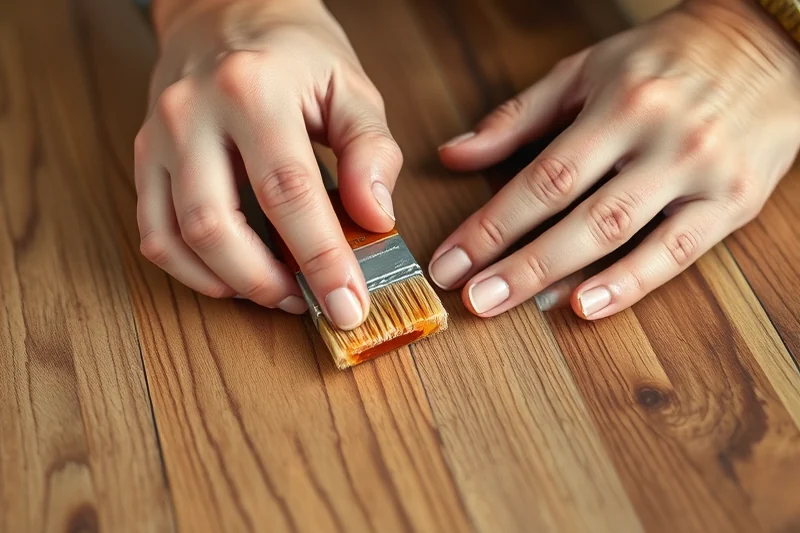
I’ve learned the hard way that skipping the prep steps can lead to a lot of frustration and wasted paint. For laminate furniture, the surface is smooth and slick, which means the paint has a hard time sticking. I once tried painting a tray without sanding or priming, and by the time I was done, the paint had peeled off entirely within a week.
The first step is to thoroughly clean the surface. I use a mild soap and water solution, and I make sure to wipe it down with a microfiber cloth to avoid leaving any residue. After that, I use 220-grit sandpaper to roughen the surface slightly — this helps the primer and paint adhere better. I also apply a primer designed for glossy surfaces, which I’ve found to be a game-changer.[2]
Another thing I’ve learned is that the right tools can make a big difference. I use a small brush for edges and a foam roller for larger areas. It’s important to work in a well-ventilated space, and I always keep a small fan nearby to help the paint dry evenly. If you skip these steps, you’ll end up with a project that looks good at first but doesn’t hold up over time.
Preparation is the most crucial step in any painting project, especially when dealing with glossy laminate surfaces.
Related: Furniture to paint
Choosing the Right Paint and Techniques
I’ve tried a variety of paints over the years, and I’ve found that water-based acrylic paints work best for small laminate furniture. They dry quickly, are easy to clean up, and offer a range of colors and finishes. I recommend using a matte or satin finish, as they’re more durable and less likely to show fingerprints than glossy finishes.
I’ve also experimented with spray paint, and while it can be faster, it’s not always the best option for small pieces. The main issue I’ve encountered is overspray, which can create a mess and require a lot of cleanup. If you do use spray paint, make sure to work in a well-ventilated area and cover the surrounding surfaces with newspaper or a plastic sheet.
With techniques, I always apply two thin coats of paint rather than one thick coat. This gives you a more even finish and helps prevent drips or runs. I also wait for each coat to dry completely before applying the next one, which can take anywhere from 30 minutes to an hour, depending on the room’s humidity.
Applying two thin coats of paint rather than one thick coat gives you a more even finish and helps prevent drips or runs.
“I remember the first time I painted a small piece of laminate furniture — a narrow kitchen shelf that had long since lost its luster…”— Laminatelove editors
Related: Painting laminate furniture for beginners comparison
Finishing Touches and Sealing
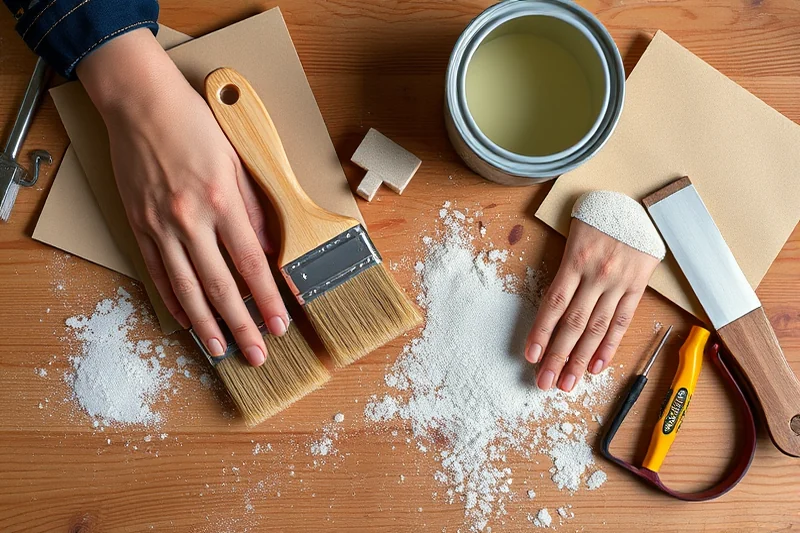
One of the most important steps I’ve learned is sealing the paint. I use a clear, water-based polyurethane sealer, which adds a layer of protection against scratches, moisture, and wear. I’ve found that applying two thin coats of sealer is better than one thick coat, as it prevents the sealer from pooling or becoming cloudy.
I always wait for the paint to dry completely before applying the sealer. This can take anywhere from 2 to 4 hours, depending on the room’s temperature and humidity. I use a small brush to apply the sealer, making sure to cover every surface evenly and avoiding any missed spots.
After applying the sealer, I let it dry for at least 24 hours before using the piece. This gives the sealer enough time to cure properly and ensures that it’s fully protected. I’ve noticed that pieces sealed this way last much longer than those that skip the sealer step — even after months of use, they still look brand new.
Related: Essential painted laminate floor ideas
Personalizing Your Small Painting Project
One of the things I love most about painting small laminate furniture is the ability to customize it in unique ways. Whether you’re using a bold color, adding a stencil design, or incorporating a personal motif, these small details can make a big impact. I’ve painted a tray with a floral pattern using a stenciling kit, and it’s become a favorite in my kitchen — it’s not only beautiful, but it also makes a statement.
I’ve also experimented with using different finishes, like a chalkboard paint on a small tray or a magnetic paint on a narrow shelf. These options add functionality and make the piece more versatile. I’ve found that these kinds of personal touches can transform even the most basic furniture into something that feels special and tailored to your space.
With personalization, I recommend starting with something simple, like a single color or a small design. Once you’re comfortable, you can experiment with more complex patterns or techniques. The key is to have fun with it and not be afraid to try new things. After all, this is your space — and it should reflect who you are.
⭐ Classic
A timeless approach using traditional painting techniques and materials.
💰 Budget
A low-cost method that uses affordable materials without sacrificing quality.
⚡ Extra-Fast
A quick approach using spray paint and minimal preparation for a fast turnaround.
✨ Depth
A method that uses multiple layers and techniques to achieve a rich, textured finish.
🥗 Light
A minimalist approach using pastel colors and simple designs for a soft, elegant look.
| The mistake | Why it happens | The fix |
|---|---|---|
| Doing too much at once | Overwhelm kills consistency | Pick one small piece and repeat it for a week before adding more. |
| Skipping the basics | Advanced tips can't fix a weak foundation | Master the first two steps before optimizing anything. |
Materials & Tools tap to check off
- 1 lb Laminate furniture piece (e.g., shelf, tray)
- ½ cup Mild dish soap
- Microfiber cloth (as needed)
- 1 can Water-based acrylic paint (1-2 colors)
- 1 can Water-based primer (for glossy surfaces)
- 1 can Clear water-based polyurethane sealer
Method tap a step when done
- Clean the surface with a mild dish soap solution and a microfiber cloth to remove any dirt or residue.
- Sand the surface lightly with 220-grit sandpaper to create a rougher texture for better paint adhesion.
- Wipe the surface with a damp cloth to remove any sanding dust before proceeding.
- Apply a thin coat of primer designed for glossy surfaces, and let it dry completely (about 1-2 hours).
- Paint the piece with two thin coats of water-based acrylic paint, allowing each coat to dry completely before applying the next.
- Apply two thin coats of clear water-based polyurethane sealer to protect the finish, letting each coat dry completely.
Key Facts
Related: Painting laminate furniture under 30 minutes
Small Painting Laminate Furniture
Related: Furniture restoration book near me
Common Questions
What kind of paint is best for small laminate furniture?
Do I need to use a primer on laminate furniture?
How long should I wait between paint coats?
Can I use spray paint on small laminate furniture?
References
- The effects of water-based insulation paint applied to laminate ... (bioresources.cnr.ncsu.edu)
- How To Paint Laminate Floors - Free To Anyone (mobile.thisis.gwu.edu)
Cite this guide
Laminatelove (2026). Small Painting Laminate Furniture. https://laminatelove.com/small-painting-laminate-furniture/
Feel free to cite or share this guide.