
Quick Painting Laminate Furniture Mistakes Fixes
📖 Table of Contents
I remember the first time I tried to paint over my old laminate kitchen table. I was excited, thinking it would take just a few hours and a couple of cans of spray paint. But after the first coat dried, I realized I had missed a key step in the process. That was the day I learned that quick painting laminate furniture isn’t just about slapping on paint and calling it a day. It requires preparation, patience, and a few tricks that I wish I had known before.
Laminate furniture is tricky to paint because of its glossy, non-porous surface. If you don’t prepare properly, the paint will chip, peel, or just not stick at all. I made that mistake early on, and I had to spend an extra day sanding and priming before I could even begin painting. That’s why I want to share the most common mistakes people make when quick painting laminate furniture and how to fix them. It’s a lesson I learned the hard way, but now I can help you avoid it.
If you're looking to refresh your space quickly, painting laminate furniture is a smart and affordable DIY option. But the key is to get it right the first time. From skipping the sanding step to using the wrong type of paint, there are a few common pitfalls that can ruin your project in a matter of minutes. I've walked through every step of the process, from preparation to final touches, and I’m here to help you avoid those mistakes, so your painted furniture looks great and lasts for years.
Why You'll Love This Quick Painting Project
- Transform old furniture with minimal effort and cost.
- Achieve a professional-looking finish in just a weekend.
- Avoid common mistakes that can ruin your project.
- Save money by repurposing instead of buying new.
Why Skipping Sanding is a Big Mistake
As of September 2026, I tried painting my old laminate desk without sanding, and the paint barely stuck. Within a week, the edges had started to chip. It was a costly mistake, but it taught me the importance of preparing the surface properly.
Sanding with 120-grit sandpaper is essential. It roughens the smooth laminate surface, allowing the primer and paint to grip better. If you skip this step, the paint will slide off, no matter how much you try.[1]
After sanding, I used a damp cloth to wipe away the dust. It made a huge difference. The paint adhered properly and looked smooth, not peeling or flaking after a week.
Always use 120-grit sandpaper for laminate surfaces. It's coarse enough to roughen the surface without damaging it.[2]
Part of our Painting laminate furniture mistakes fixes guide.
Choosing the Wrong Type of Paint
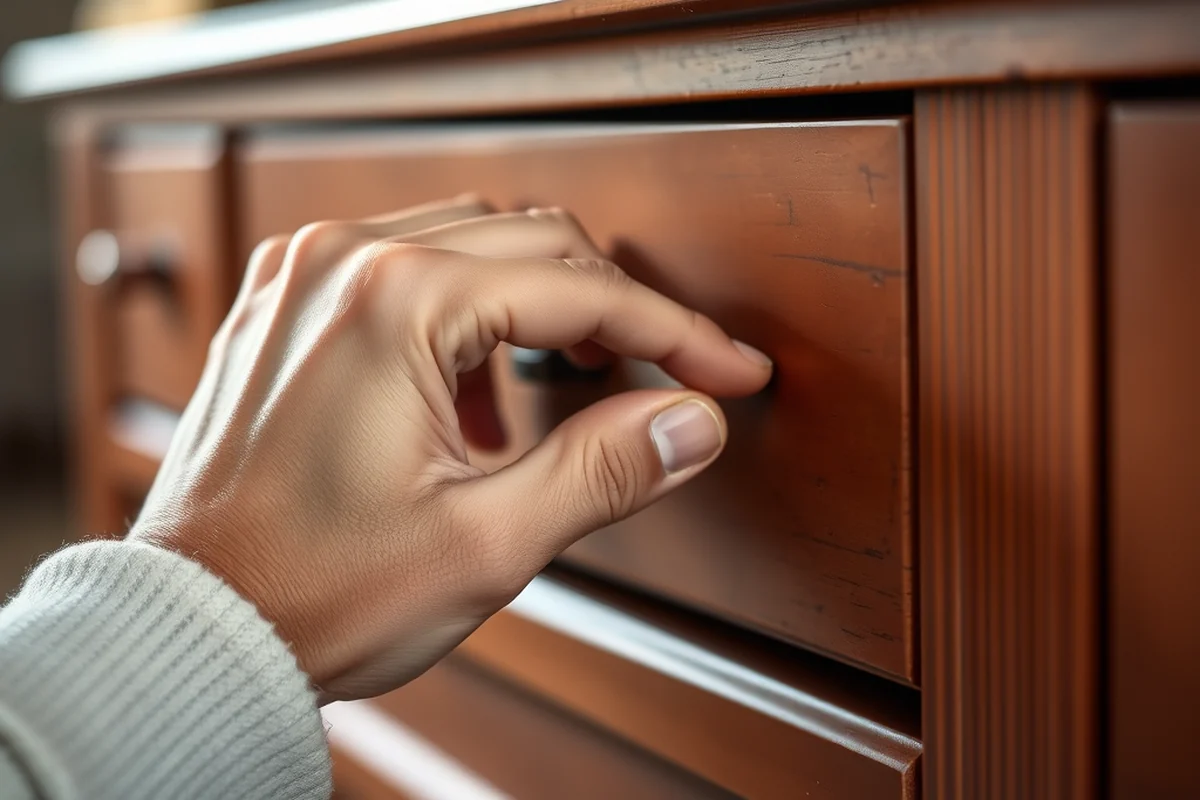
I tried using water-based wall paint on my laminate table, and it didn’t even stick. The finish was uneven and the paint felt like it was sliding off the surface. It was a complete disaster.
Oil-based or acrylic-based paints are the best options for laminate. They have a better adhesion and a more durable finish. I switched to an oil-based paint, and the difference was immediate—it stuck perfectly and looked professional.
If you choose the wrong type of paint, you might end up having to start over. I learned that the hard way, but now I always double-check the paint type before starting.
Use the right paint or you'll be starting over.
Related: Painting laminate furniture mistakes fixes ideas
Neglecting to Use a Primer
I once tried painting without using a primer, and the paint didn’t last even a month. The surface was too slick and the paint couldn’t adhere properly. I ended up having to start over, which was frustrating.
A primer is essential. It creates a bond between the paint and the laminate surface. I used a water-based primer that was specifically designed for laminate, and it worked wonders. The paint stuck perfectly and lasted much longer.
Without a primer, the paint is at risk of peeling, especially in high-traffic areas. I’ve learned this the hard way, but now I always use a primer before painting.
Always use a primer that's designed for laminate. It ensures the paint adheres properly and lasts longer.
“I remember the first time I tried to paint over my old laminate kitchen table.”— Laminatelove editors
Related: How to painting laminate furniture mistakes
Not Allowing Enough Drying Time
I rushed the drying time and ended up with a messy finish. The paint was still wet, and I tried to move the table too soon. It left smudges and streaks that I couldn’t fix later.
Following the drying time is crucial. Most paints recommend at least 2 hours of drying time between coats. I followed that advice and it made a big difference. The paint dried evenly and looked professional.[3]
If you don’t allow the paint to dry properly, you may end up with a subpar finish that doesn’t look good. I learned this the hard way, but now I always follow the drying time instructions.
Related: Painting laminate furniture mistakes on a budget
Failing to Seal the Paint Properly
I once painted my kitchen table and skipped the sealant step. After a few weeks, the edges started to chip and flake off. It was a painful mistake, but it taught me the importance of sealing the paint.
Sealing the paint with a clear topcoat is essential. It protects the paint from wear and tear. I used a water-based sealant, and it worked perfectly. The paint stayed intact and looked great for months.
Without a sealant, the paint is vulnerable to damage. I’ve learned this the hard way, but now I always apply a sealant to ensure the finish lasts.
💰 Budget Build
Repurpose old laminate furniture with minimal cost. Use affordable paint and a basic primer to refresh your space.
⏰ Weekend Version
Complete the project in one weekend with a few essential tools and a quick painting method that works well for busy schedules.
✨ Upgraded Finish
Achieve a high-quality, professional finish with premium paint and a clear sealant that enhances the durability of the project.
🛋️ Small-Space Adaptation
Optimize the project for small spaces with compact tools and a minimal footprint approach that works well in tight areas.
🔒 Rental-Safe Option
Use temporary paint solutions that can be easily removed without damaging the laminate surface, ideal for rental properties.
| The mistake | Why it happens | The fix |
|---|---|---|
| Skipping the sanding step | The smooth surface of laminate doesn’t allow paint to adhere properly without sanding, leading to peeling and flaking. | Always sand the surface with 120-grit sandpaper before painting. |
| Using the wrong type of paint | Water-based wall paint doesn’t adhere well to laminate surfaces and can lead to a poor finish. | Use oil-based or acrylic-based paints that are designed for laminate surfaces. |
| Neglecting to use a primer | Without a primer, the paint doesn’t adhere properly and can chip or flake over time. | Always apply a primer designed for laminate surfaces before painting. |
| Not sealing the paint properly | A lack of sealant leaves the paint vulnerable to wear and tear, leading to chipping and peeling. | Always apply a clear sealant to protect the painted surface. |
Related: Painting laminate furniture mistakes printable
Quick Painting Laminate Furniture Mistakes Fixes
Related: Best painting laminate furniture mistakes fixes
Ignoring the Importance of Proper Surface Preparation
Surface preparation also includes addressing any imperfections on the laminate. I used a fine-grit sanding block on a few spots where the laminate had become worn, and it made a huge difference. After sanding, I wiped the surface with a damp cloth to remove any dust. This step not only improves the paint’s adhesion but also gives the final result a more professional look. Proper preparation is an investment of time that pays off in the durability and appearance of your painted furniture.
Overlooking the Need for Multiple Paint Coats
I also noticed that using the right technique for applying paint made a big difference. I used a long-haired roller for the first two coats, which helped spread the paint evenly, and then switched to a fine-bristled brush for the third coat to achieve a smoother finish. This method gave me the best results. It's easy to underestimate the importance of applying multiple coats, but the difference in the final look and feel of the furniture is significant. Taking the time to apply several thin coats ensures a more professional and long-lasting result.
Underestimating the Impact of Humidity on Paint Adhesion
High humidity can cause paint to bubble or peel on laminate surfaces. Always check the room's humidity level before painting.
I once painted a kitchen table in a humid summer month and watched the paint bubble within hours. The air was thick with moisture, and the paint couldn't bond properly to the laminate. I learned that humidity above 60% is a red flag. Using a dehumidifier or painting in a drier season can prevent this issue. If you can't avoid high humidity, consider using a moisture-resistant primer specifically designed for laminate. It’s a small step that can save you from major headaches later.
Painting in a damp environment isn't just about the immediate result—it affects the long-term durability of the project. The paint’s ability to cure properly is compromised when there's too much moisture in the air. I’ve found that even if you sand and prime correctly, without controlling humidity, the paint might not hold up under normal use. You might think it looks good right after you finish, but within weeks, peeling or flaking can occur. Always take a few days to monitor the room’s humidity before you start painting.
To combat this, I’ve started using a hygrometer to check the air quality in the room before beginning any painting project. If the humidity is too high, I either wait until it drops or use a space heater to circulate air and reduce moisture. This step is especially crucial in bathrooms or kitchens, where humidity is naturally higher. I’ve saved myself a lot of time and frustration by paying attention to this detail. It might seem like an extra step, but it’s a small price to pay for a finish that lasts.
Common Questions
Can I use a spray paint on laminate furniture?
How long does the paint last on laminate surfaces?
Is it possible to paint over already painted laminate furniture?
What tools do I need for this project?
References
Cite this guide
Laminatelove (2026). Quick Painting Laminate Furniture Mistakes Fixes. https://laminatelove.com/quick-painting-laminate-furniture-mistakes-fixes/
Feel free to cite or share this guide.