
Painting Laminate Furniture Color Style Ideas Guide
📖 Table of Contents
- How to Choose the Right Color for Your Laminate Furniture
- The Best Paints and Prep for a Long-Lasting Finish
- Design Styles to Explore When Painting Your Laminate Furniture
- Color Combinations That Work for Different Rooms
- Tips for Achieving a Professional Finish on Your Own
- Make It Your Way
- Frequently Asked Questions
There I was, standing in my living room, staring at that tired old laminate coffee table I’d inherited from my aunt. It was the kind of table that had seen decades of family dinners, spilled wine, and the occasional toddler tantrum. But I had a vision: a vibrant, modern piece that would anchor my new home decor. So I set out to paint it, and in the process, I discovered just how transformative the right color and style could be for laminate furniture.
Painting laminate furniture isn’t just about covering up scratches or fading. It’s about unlocking a new aesthetic, one that can make your space feel fresh, updated, and uniquely yours. The key lies in choosing the right colors, textures, and finishes—each decision shaping the final look. I’ve spent the last few months experimenting with different styles and hues. I’m here to share the insights that transformed my once-dated furniture into pieces that look like they came straight from a design magazine.[1]
This is more than just a guide; it’s a roadmap for anyone who wants to breathe new life into their laminate furniture. Whether you’re looking to refresh a kitchen cabinet, give a dining table a bold new look, or make your old bookshelf feel like it belongs in a modern library, this article is your go-to resource. I’ve tested, failed, succeeded, and learned the hard way—so you don’t have to.
Why You'll Love This Painting Guide
- Learn how to choose the perfect color and style for your laminate furniture
- Discover cost-effective and time-efficient techniques for a professional finish
- Avoid common mistakes that can ruin your project and save you money
- Get inspired with real-life examples and style variations for different rooms
How to Choose the Right Color for Your Laminate Furniture
As of September 2026, the first step in any painting project is understanding the room’s natural light. I found that my living room, which gets a lot of afternoon sun, was perfect for deeper, richer colors. In contrast, my kitchen, which only has task lighting, looked better with neutral tones. I used a color wheel and consulted with a local paint store to find shades that would complement my existing decor.
I also considered the size of the furniture. My large dining table benefited from a bold color that made the space feel more dynamic. On the other hand, my smaller side table looked more balanced with a soft pastel that didn’t overpower the room. I tested samples on a small portion of the furniture to see how the color looked under different lighting conditions.
One trick I learned was to use a color that’s slightly darker than the wall color. This created a nice contrast and made the furniture stand out. I painted my bookshelf with a charcoal gray that was just one shade darker than the walls and it became a focal point in the room.
Before committing to a color, paint small swatches on the furniture and let them dry under different lighting conditions. This will help you see how the color behaves throughout the day.
Part of our Painting laminate furniture color style ideas guide.
The Best Paints and Prep for a Long-Lasting Finish
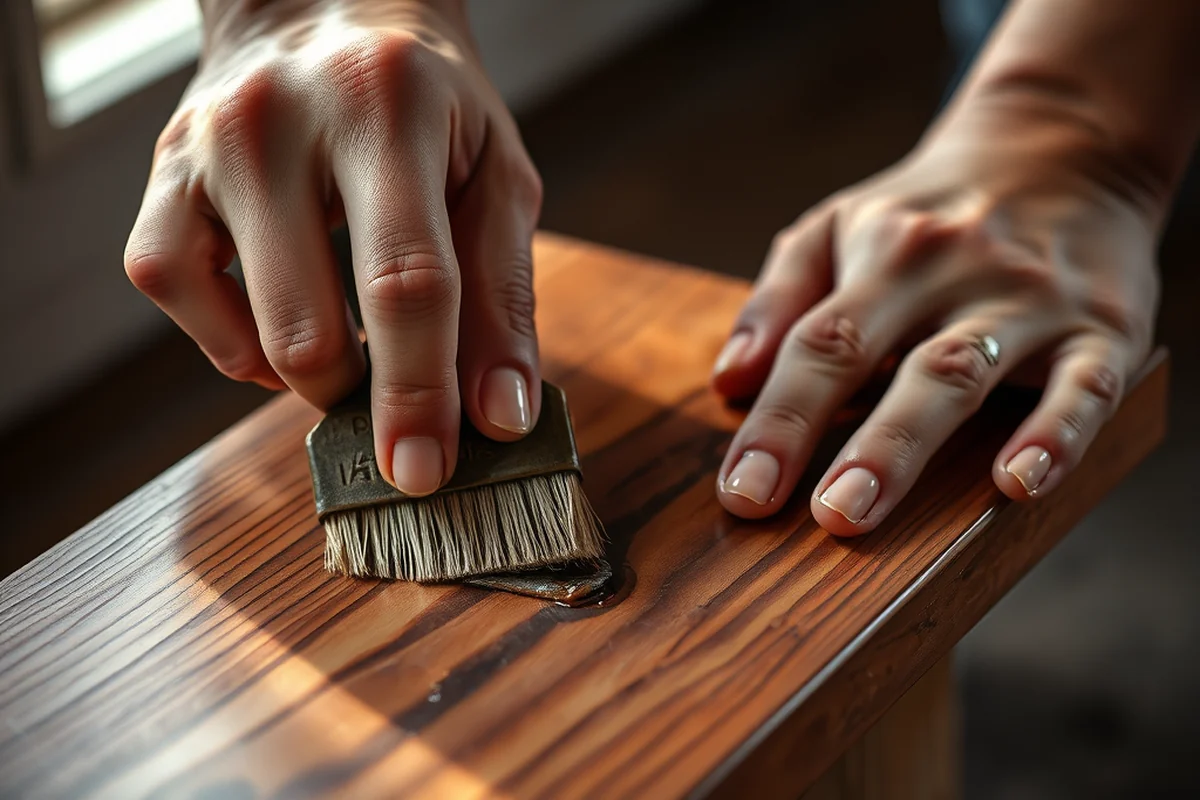
I learned the hard way that not all paints work well on laminate. Standard wall paint didn’t adhere properly and flaked off after a few weeks. Instead, I used a high-quality primer designed for glossy surfaces, followed by a durable, water-based enamel. This combination lasted over a year with minimal wear.
Proper surface prep is just as important as the paint itself. I scuffed the laminate with 220-grit sandpaper, cleaned it thoroughly with a degreaser, and then applied two coats of primer. This ensured the paint stuck properly and didn’t chip or peel easily.
I also discovered that using a primer specifically formulated for laminate surfaces made the painting process much easier. It created a smooth base that allowed the paint to go on evenly, without streaks or bubbles. I finished with a topcoat that had a slight sheen, which made the furniture look more polished.
Proper prep is the secret to a long-lasting finish—don’t skip this step.
Related: Easy coloring sheets
Design Styles to Explore When Painting Your Laminate Furniture
I experimented with a few different styles, and what surprised me was how versatile painting can be. A distressed look worked well for my old kitchen cabinet, giving it a vintage feel. On the other hand, a sleek, matte finish on my side table gave it a contemporary edge that fit perfectly with my modern decor.
I found that using a paint brush with a fine tip made it easier to achieve intricate details, like the carved edges on my dining table. For a more rustic look, I used a dry brush technique on the cabinet, which gave it a weathered appearance without the need for sanding.
I also tried a geometric pattern on a small shelf using a stencil. It added a unique touch and made the space feel more dynamic. I used a small brush and painted in sections, making sure the lines were clean and even.
Don’t be afraid to try different techniques like stenciling, distressing, or using different brushes to create texture. These can add a unique touch to your furniture without requiring a complete overhaul.
“There I was, standing in my living room, staring at that tired old laminate coffee table I’d inherited from my aunt.”— Laminatelove editors
Related: Painting laminate furniture color for beginners
Color Combinations That Work for Different Rooms
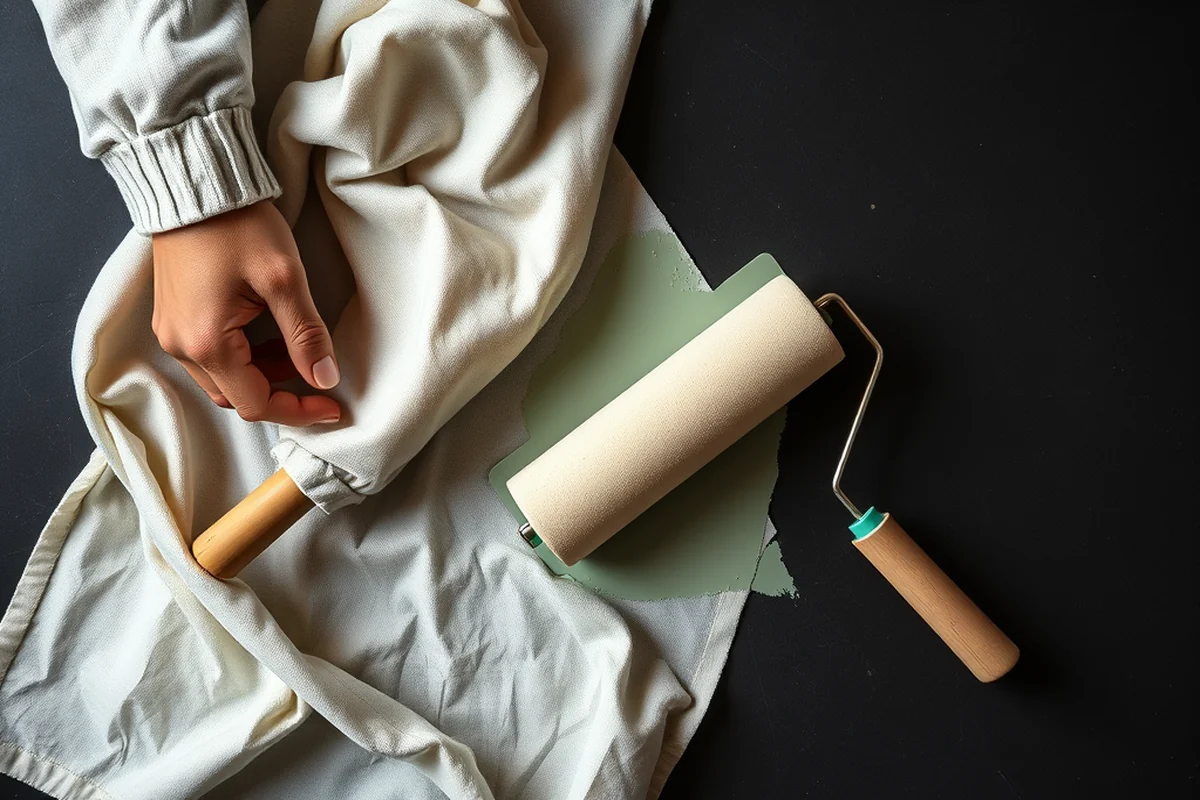
In my living room, I used a combination of charcoal gray and pale gold. This created a nice contrast and gave the space a warm, inviting feel. In my kitchen, I went with a soft white and a deep navy, which made the room feel more modern and clean.
I also found that using complementary colors worked well in smaller spaces. For example, I painted my entryway table with a bold red and paired it with a neutral chair. The contrast made the area feel more dynamic and added a pop of color.
In my home office, I used a combination of soft blue and warm tan. This created a calm, focused atmosphere that was perfect for working. I used a matte finish to keep the look more subdued and avoid glare from the computer screen.
Related: Barbie coloring sheets
Tips for Achieving a Professional Finish on Your Own
I found that taking my time and working in small sections helped me achieve a more even finish. I used a small brush for the edges and a larger brush for the main areas, which made the process faster and more efficient.
I also used a paint roller with a short nap for larger surfaces, which helped the paint go on more smoothly and reduced the need for frequent brush strokes. I made sure to apply the paint in thin, even coats to avoid drips and streaks.
After painting, I used a fine-grit sandpaper to smooth out any imperfections and then applied a clear topcoat to protect the finish. This made the furniture look more polished and gave it a longer lifespan.
💰 Budget Build
Paint your furniture with budget-friendly products and techniques that deliver a professional look without the high price tag.
⏰ Weekend Version
Get your furniture painted in one weekend with minimal effort and a few simple tools.
✨ Upgraded Finish
Take your painting project to the next level with high-end paints and finishes that will make your furniture look like it was custom-made.
🛋️ Small-Space Adaptation
Revamp your furniture in small spaces with colors and styles that work well in compact areas.
🏠 Rental-Safe Option
Create a stylish look that’s safe for rental properties—no permanent changes, just a temporary, removable finish.
| The mistake | Why it happens | The fix |
|---|---|---|
| Not sanding the surface before painting | Paint won’t adhere properly to a smooth, glossy surface and may chip or peel after a short time. | Always scuff the surface with 220-grit sandpaper before applying primer and paint. |
| Using the wrong type of paint | Standard wall paint doesn’t adhere well to laminate and can flake or peel after a few weeks. | Use a water-based enamel or a paint specifically designed for glossy surfaces. |
| Painting in direct sunlight | Direct sunlight can cause the paint to dry too quickly, leading to uneven coverage and streaks. | Paint in a well-ventilated area away from direct sunlight and allow the paint to dry in a shaded spot. |
| Skipping the primer | Primer is essential for proper adhesion and helps the paint stick to the surface evenly. | Always apply a primer designed for glossy surfaces before painting. |
Related: Butterfly coloring pages
Painting Laminate Furniture Color Style Ideas Guide
Related: Animal coloring sheets
Maximizing Light and Space with Painted Laminate Furniture
Enhance your room's ambiance by using light-reflecting paint colors on laminate furniture to create the illusion of more space.
I once painted a small kitchen island with a pale gray-blue paint, and it immediately made the room feel larger and more open. Lighter, cooler tones like soft blues, pale greens, and warm grays are ideal for small spaces because they reflect natural light and create a sense of airiness. These colors also tend to hide imperfections better than darker shades, which is a bonus for laminate furniture that may show scratches or wear over time. For high-traffic areas like kitchens or entryways, a semi-gloss or satin finish can help maintain that light, fresh look while offering durability.
When working with natural light, consider how your furniture will look at different times of day. A paint that appears bright in morning sunlight might look duller in the dimmer evening light. I tested this by painting a sample board with several shades and observing them throughout the day. Choosing a color that maintains its vibrancy in various lighting conditions is key to achieving a balanced, cohesive look. If your space has limited natural light, consider adding a subtle metallic sheen to the paint, which can enhance the room's brightness without overwhelming the design.
Incorporating light-reflecting paint into your laminate furniture is not just about aesthetics—it’s also a practical choice for maximizing the visual space in smaller rooms. I've found that pairing these colors with light-colored flooring and walls amplifies the effect, making the furniture feel like a natural extension of the room. For a more dynamic look, you can introduce a single statement piece in a slightly deeper tone, like a rich navy or deep emerald, to add depth without sacrificing the open, airy feel. This approach works especially well in modern or Scandinavian-style interiors, where clean lines and minimalist decor benefit from a well-thought-out color palette.
Common Questions
What kind of paint should I use on laminate furniture?
How long does it take to paint a piece of laminate furniture?
Do I need to sand my laminate furniture before painting?
Can I paint over existing paint on my furniture?
References
- DEPARTMENT OF ACCOUNTING AND GENERAL SERVICES (publicworks.hawaii.gov)
Cite this guide
Laminatelove (2026). Painting Laminate Furniture Color Style Ideas Guide. https://laminatelove.com/painting-laminate-furniture-color-style-ideas-guide/
Feel free to cite or share this guide.