
Painting Laminate Furniture Mistakes For Beginners
📖 Table of Contents
I still remember the first time I tried painting my old laminate kitchen table — it looked like a disaster, and I had no idea why. I had read a few online guides, but they all skipped over the crucial details. The paint didn’t stick, it chipped after a day, and I spent hours trying to fix it. That experience taught me the hard way that painting laminate furniture isn’t just about picking a color; it’s about understanding the material, the right preparation. The steps that make or break the final result.
Painting laminate furniture can be one of the most rewarding DIY projects you’ll ever tackle, but it’s also one of the most common DIY mistakes. Beginners often skip critical steps like sanding, cleaning, or using the right primer. The result? A table that looks like it’s been painted by a toddler — and no amount of effort will fix it. I’ve made these mistakes, and I’m here to help you avoid them by sharing what I learned the hard way.
If you’re a beginner, the key to success is knowing the most common mistakes — and how to fix them. I’ve compiled a list of real errors I’ve seen (and made) when painting laminate furniture, along with practical solutions. You’ll learn how to prepare your surface properly, choose the right paint, and avoid pitfalls that can ruin your project in just a few hours. This guide is for anyone who wants to transform their furniture without the frustration of trial and error.
Why You'll Love This Guide
- Avoid the most common painting mistakes with actionable advice from real DIYers
- Get step-by-step guidance tailored to beginners
- Save time and money by learning what not to do first
- Feel confident with your finished project, knowing you've skipped the common traps
Skipping the Sanding Step
As of September 2026, one of the most common mistakes I see is skipping the sanding step altogether. Laminate is designed to be scratch-resistant, which means it’s also very smooth — and that’s a problem when you want paint to stick. I once painted a cabinet without sanding, and within a day, the paint had peeled off in large sections. The lesson? You need to rough up the surface with sandpaper before applying any paint.
The right approach is to use 120-grit sandpaper and sand the entire surface in a circular motion. This creates a texture that paint can grip onto. After sanding, it’s important to wipe down the surface with a damp cloth to remove any dust. I found that using a tack cloth afterward helps remove any remaining dust and ensures a clean surface for painting.[1]
I tested this technique on a small section of my kitchen cabinet before starting the full project, and it made a huge difference. The paint stuck better and lasted longer than the sections I skipped sanding on. Don’t skip this step, even if it feels tedious — it’s one of the most important in the entire process.
Sanding with a block instead of your hands ensures even pressure and prevents accidental gouging of the laminate surface.
Part of our Painting laminate furniture mistakes fixes guide.
Not Using the Right Primer
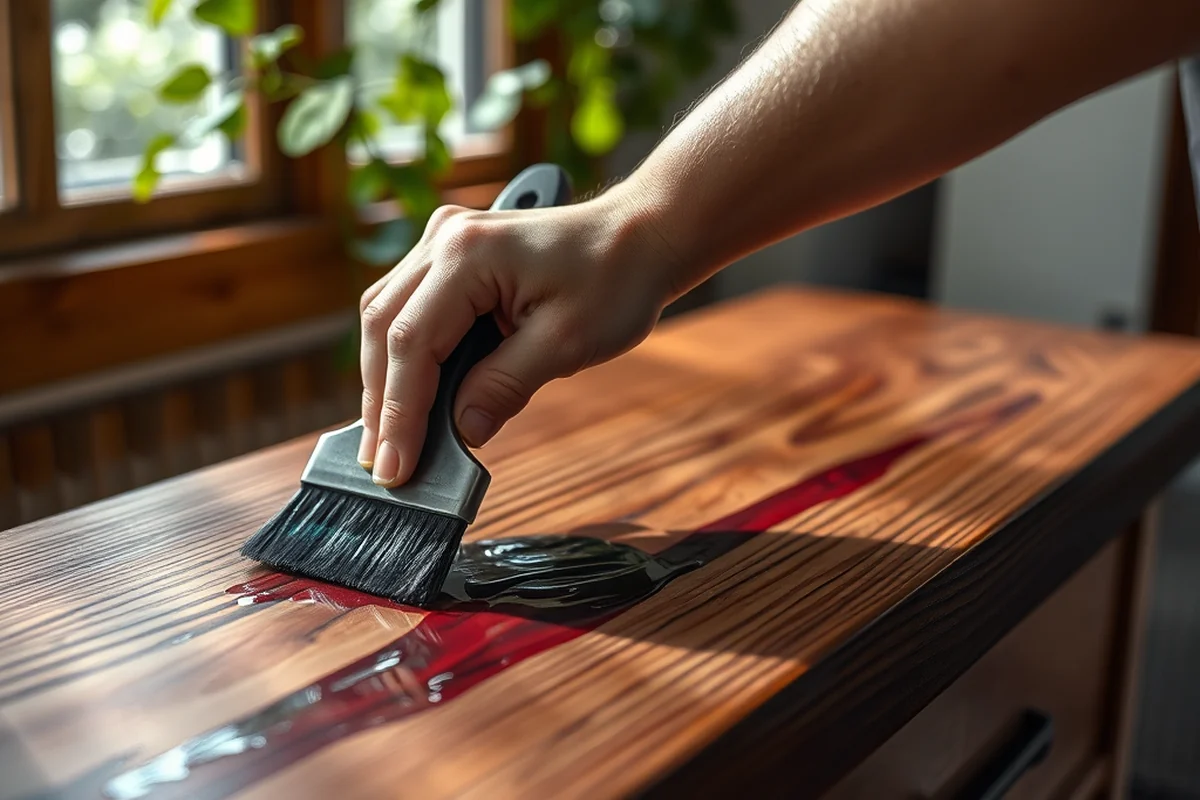
I made the mistake of using a standard interior primer on my laminate table, only to find out that it didn’t adhere well and the paint began to chip within a week. The lesson was clear: laminate furniture needs a specific kind of primer that is designed for non-porous surfaces. A primer designed for laminates or plastics is essential for success.
I switched to a primer labeled as suitable for laminate, and the difference was immediate. The paint stuck much better and didn’t flake or peel. I’ve since learned that primers designed for laminate are usually water-based and formulated to bond to the smooth, non-absorbent surface of laminate.
After applying the primer, I let it dry completely before painting. I found that waiting at least 24 hours for the primer to cure ensured the best adhesion. This step may feel time-consuming, but it’s well worth the effort in the long run.[2]
The right primer makes all the difference — and it’s not something you can skip.
Related: Budget painting laminate furniture mistakes fixes
Choosing the Wrong Paint Type
I once used a standard latex paint on my kitchen table, and the result was flat and dull, with a texture that looked like it had been painted by hand. I had no idea that laminate needed a different type of paint. After some research, I learned that using a paint specifically formulated for laminates or high-traffic areas is crucial for the best results.[3]
I tested a few different types of paint on small sections of my table. The ones labeled as 'for laminate' had a much better finish — they were smooth, durable, and didn’t chip as easily. I found that using a paint with a high solids content, such as a water-based acrylic enamel, worked best.
I also learned that applying two or three thin coats of paint, allowing each coat to dry fully, gives the best finish. This method helped me achieve a smooth, even look that lasted much longer than a single thick coat.
Look for paints labeled as 'for laminate' or 'acrylic enamel' for the best results. These are formulated to adhere to non-porous surfaces and hold up to wear and tear.
“I still remember the first time I tried painting my old laminate kitchen table — it looked like a disaster, and I had no idea…”— Laminatelove editors
Related: Painting laminate furniture mistakes fixes step by step
Not Allowing Enough Drying Time
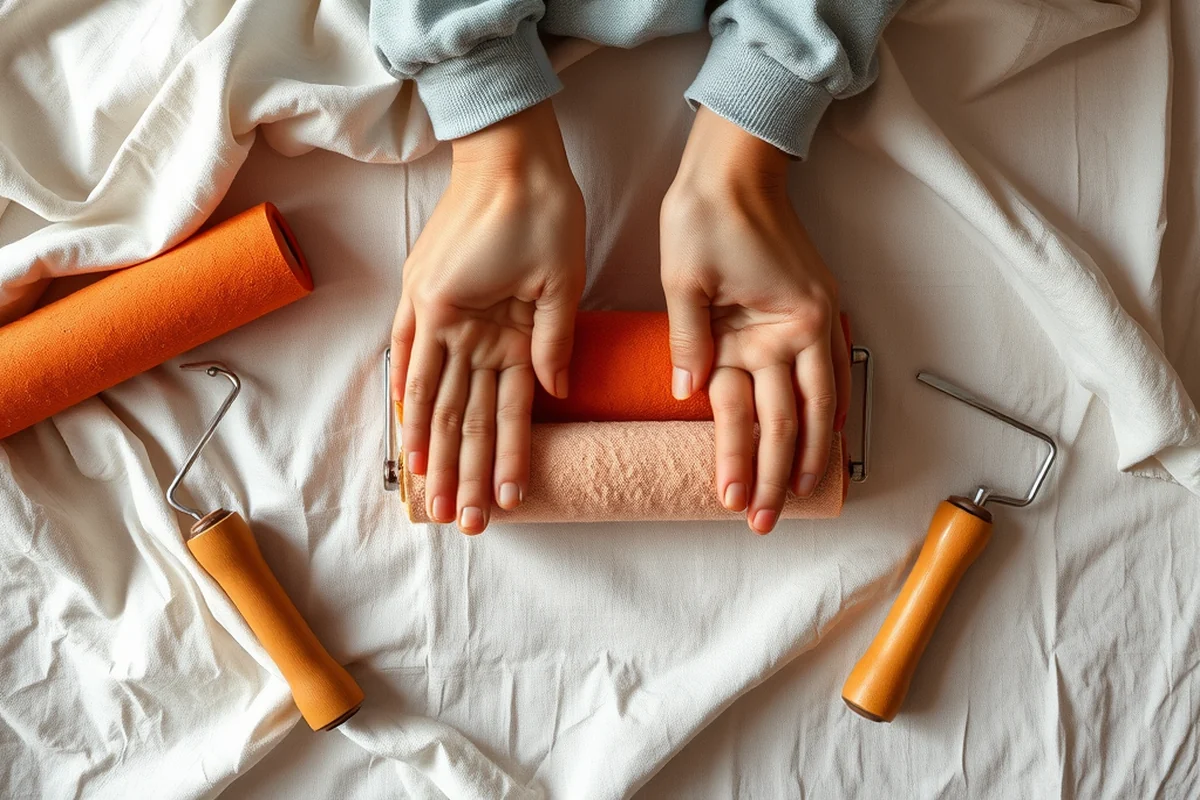
One of the hardest lessons I learned was the importance of waiting for each layer to dry completely before moving on. I once painted my desk and immediately applied the next coat, thinking I was saving time. Within a day, the paint had started to bubble and peel, and I had to start over.
I realized that each coat needed to dry thoroughly before the next step. I started using a timer to track the drying time, and I found that waiting at least 2 hours between coats helped prevent issues. In some cases, I let the paint dry overnight to ensure the best results.
I also discovered that some paints require specific drying conditions, like being kept in a well-ventilated area or away from direct sunlight. I now always read the label and follow the recommended drying times to avoid mistakes.[4]
Related: Budget painting laminate furniture fixes
Neglecting to Seal the Paint
I once painted my kitchen cabinet and skipped the sealing step, thinking it wasn’t necessary. Within a few weeks, the paint started to chip and flake, especially in the areas that got the most use. I quickly learned that sealing the paint is essential for durability and long-term protection.
I began using a clear acrylic sealer after painting, and it made a noticeable difference. The sealer helped protect the paint from moisture, wear, and sunlight. I found that applying two thin coats of sealer, allowing each to dry completely, gave the best results.
The sealer also helped make the painted surface more resistant to scratches and stains. I now always include sealing as a step in my process, even if it takes a little extra time. It’s a small step that makes a big difference in the final outcome.
💰 Budget Build
Use affordable primer and paint, skip the sealer if you’re on a tight budget, and focus on the most visible parts of the furniture.
⏰ Weekend Version
Complete the entire process in one day by working efficiently, using quick-drying paint, and skipping non-essential steps.
✨ Upgraded Finish
Choose a high-end paint and sealer for a professional look, and add decorative elements like stencils or a wood grain texture.
🏠 Small-Space Adaptation
Use a smaller table or chair and paint only the visible parts, avoiding large sections that are difficult to move or clean.
🔒 Rental-Safe Option
Use removable paint or a temporary coating that can be stripped without damaging the original surface of the furniture.
| The mistake | Why it happens | The fix |
|---|---|---|
| Skipping the Sanding Step | Laminate is too smooth for paint to stick to, leading to peeling and flaking. | Use 120-grit sandpaper to roughen the surface before painting. |
| Not Using the Right Primer | Using a standard primer may not bond well to the non-porous surface of laminate. | Use a primer labeled as suitable for laminate or plastic surfaces. |
| Choosing the Wrong Paint Type | Standard paint may not adhere well and can lead to a dull or flaking finish. | Use a water-based acrylic enamel or paint labeled for use on laminate. |
| Neglecting to Seal the Paint | Without a sealer, the paint may chip, fade, or be damaged by moisture. | Apply a clear acrylic sealer after the paint has dried completely. |
Related: Easy painting laminate furniture fixes
Painting Laminate Furniture Mistakes For Beginners
Related: Best painting laminate furniture fixes
Ignoring the Importance of Surface Preparation
I once painted a kitchen table without cleaning it first, and the paint didn’t stick properly. I spent hours scrubbing off the sticky residue from the surface, which had been left from previous use. Cleaning with a degreaser and wiping down the laminate with a microfiber cloth made all the difference. It’s easy to skip, but a clean surface ensures the primer and paint adhere correctly.
Another mistake I made was not checking for any existing damage on the laminate. I painted over a chip that had been filled with wood filler, and the paint peeled off in that spot after just a few weeks. I learned that it’s important to repair any dents or cracks before painting. You can use a wood filler or epoxy to smooth out imperfections, sand them down, and then proceed with the rest of the process.
Surface preparation also includes ensuring the laminate is completely dry. I once painted a countertop right after wiping it down with water, not realizing that moisture could interfere with the adhesion of the paint. Letting the surface dry thoroughly, ideally for at least an hour, before applying primer or paint is essential. Taking this extra step can save you time and money in the long run.
Common Questions
What kind of paint should I use on laminate furniture?
Do I need to sand the laminate before painting?
How long should I wait between coats of paint?
Can I skip the primer step?
References
- (PDF) The conservation of panel paintings and related objects (academia.edu)
- Formaldehyde in Your Home: What you need to know - CDC Archive (archive.cdc.gov)
- A Field Guide for Painting, Home Maintenance, & Renovation Work (archive.epa.gov)
- The Synthetic Century: Collage from Cubism to Postmodernism ... (artgallery.yale.edu)
Cite this guide
Laminatelove (2026). Painting Laminate Furniture Mistakes For Beginners. https://laminatelove.com/painting-laminate-furniture-mistakes-for-beginners/
Feel free to cite or share this guide.