
Painting Laminate Furniture Supplies For Beginners
📖 Table of Contents
I remember the first time I tried painting my laminate coffee table — the glossy surface made it feel like I was trying to paint a mirror. I had no idea that with the right supplies, I could transform that dull, cheap-looking piece into something that looked like it belonged in a modern home. The journey taught me that painting laminate furniture isn't just about slapping on paint and hoping for the best. It's about knowing which supplies to use, how to prepare the surface, and the patience to let each step do its job.
I spent hours scouring online forums and DIY blogs, trying to piece together what I thought I needed. It wasn't until I walked into my local hardware store with a list of supplies and a very specific idea of what I was trying to achieve that I finally felt confident. The right supplies made all the difference — they weren’t just about getting the job done, but about doing it right. I ended up with a coffee table that looked like it was custom-made and didn’t cost a fortune.
Now, I know exactly what I need to get started: sandpaper, primer, paint, and a few other essentials that I didn’t even think about at first. If you're just getting started with painting laminate furniture, I promise you'll find the process much smoother once you have the right tools and supplies. This guide is for you — the beginner who wants to make something beautiful without the hassle or the expense.
Why You'll Love This Painted Project
- You'll learn how to prepare a laminate surface for long-lasting paint.
- You'll find affordable, easy-to-use supplies that work for beginners.
- You'll avoid common mistakes that lead to peeling or chipping paint.
- You'll gain confidence in your DIY skills and see real results.
Why Prep Work Matters for Laminate Surfaces
As of September 2026, I learned the hard way that skipping the sanding step led to paint peeling after just a few weeks. I used 120-grit sandpaper to roughen the surface and then wiped it down with a damp cloth to remove dust. This step was crucial — it gave the paint something to grab onto.[1]
After sanding, I applied a bonding primer designed for glossy surfaces. This step ensured that the paint didn’t just sit on top of the laminate like a layer of glitter. It stuck, and it stayed.
I also used a degreaser to clean the surface before sanding. This removed any oils or residues that could interfere with the paint’s adhesion. It was a small step, but it made all the difference.
Always use 120-grit sandpaper — it’s rough enough to create a bond but not so harsh that it damages the surface. Don’t skip this step — it's the foundation of your painted project.[2]
Part of our Painting laminate furniture tools supplies guide.
Choosing the Right Paint for Your Laminate Furniture
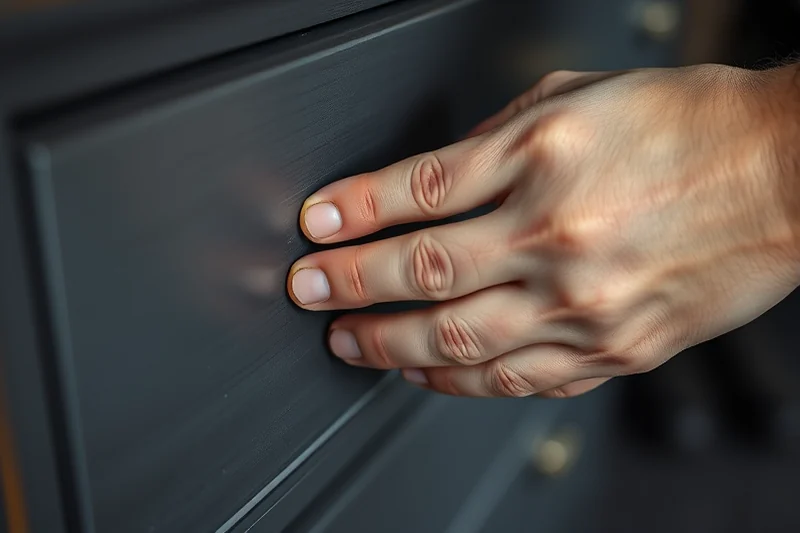
I tried using regular latex paint on my kitchen table, and it chipped within days. That was a costly lesson. I switched to a water-based acrylic paint designed for high-traffic areas. It dried faster, was easier to clean, and held up much better.
I also used a spray paint for the edges and corners. It covered the surface uniformly and got into the nooks and crannies that a brush couldn’t reach. The result was a smooth, even finish that looked professional.
I recommend using a paint with a matte or eggshell finish — it’s less likely to show fingerprints and scratches. That’s a huge plus for kitchen tables or other heavily used furniture.[3]
Choosing the right paint is like picking the right shoes — if they don’t fit, you’ll be walking in pain.
Related: Best painting laminate furniture supplies
The Power of Primer in a Painted Project
I always start with a primer, even if the furniture is already painted. It’s like putting on a base coat — it evened out the texture and gave the paint something to cling to.
I used a primer specifically designed for glossy surfaces because regular primer didn’t stick well. It made the paint application smoother and the final result much more professional-looking.
After applying the primer, I let it dry for at least an hour before painting. That time was crucial — it gave the primer time to bond with the surface and create a strong foundation.
Invest in a good primer. It may seem like an extra step, but it makes the paint last longer and look better. It’s the difference between a flaky finish and a smooth, even one.
“I remember the first time I tried painting my laminate coffee table — the glossy surface made it feel like I was trying to paint…”— Laminatelove editors
Related: Easy painting laminate furniture tools
The Magic of Sanding Between Coats
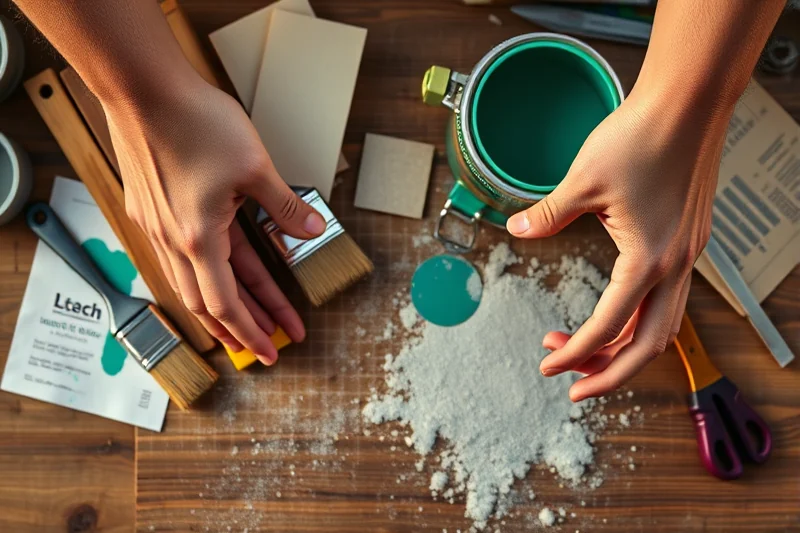
After the first coat of paint dried, I used 220-grit sandpaper to lightly sand the surface. It smoothed out any imperfections and helped the next coat of paint adhere better.
I wiped the surface down again with a damp cloth after sanding to remove any dust. This ensured that the next coat of paint went on smoothly and evenly.
I repeated this process after the second coat. It made the final finish incredibly smooth and gave it a professional look that I wasn’t expecting from a beginner project.
Related: Simple painting laminate furniture tools supplies
Protecting Your Work With a Clear Topcoat
After the final coat of paint dried, I applied a clear topcoat. It sealed the paint and made it more resistant to scratches and spills. I used a water-based clear coat because it was easy to apply and didn’t yellow over time.
I applied two thin coats of the topcoat, letting each one dry completely before applying the next. This created a strong, protective layer that made the furniture look like brand new.
I noticed a huge difference in the finish after the topcoat — it was more durable and looked like it had been professionally done. It was worth the extra time and cost.
💰 Budget Build
Use affordable paints and tools to get a professional look without spending a fortune.
⏰ Weekend Version
Complete the project in one day with fast-drying paints and minimal setup.
✨ Upgraded Finish
Add a high-gloss or metallic finish for a luxurious, eye-catching look.
🛋️ Small-Space Adaptation
Paint small pieces like shelves or side tables that fit perfectly in compact living areas.
🏠 Rental-Safe Option
Use temporary paint solutions that won’t damage your rental furniture or leave behind residue.
| The mistake | Why it happens | The fix |
|---|---|---|
| Skipping the sanding step | The glossy surface of laminate doesn’t allow paint to stick properly, leading to peeling and chipping. | Always use 120-grit sandpaper to roughen the surface before painting. |
| Using the wrong type of paint | Regular paint doesn’t adhere well to laminate and may chip or flake after a short time. | Use a water-based acrylic paint designed for glossy or smooth surfaces. |
| Not applying a primer | Primer is essential for creating a bond between the paint and the surface. Without it, the paint may not last long. | Always apply a bonding primer designed for glossy surfaces. |
| Skipping the topcoat | The paint is more susceptible to scratches, spills, and fading without a protective layer. | Apply a clear topcoat after the final coat of paint for added durability. |
Related: Budget painting laminate furniture tools
Painting Laminate Furniture Supplies For Beginners
Related: Easy painting laminate furniture supplies
The Science of Adhesion: Understanding How Paint Bonds to Laminate
Understanding adhesion helps you choose the right materials and techniques to ensure your paint lasts.
Laminate surfaces are notoriously tricky to paint because they're smooth, non-porous, and often have a protective coating. The key to adhesion is breaking that slick surface and creating a texture for the paint to grip. Sanding is the most common method, but I've also experimented with using a bonding primer or even a degreasing agent to remove oils that might be on the surface. These steps help the paint stick better and avoid the inevitable peeling that comes from not preparing properly.
I've tried using oil-based primers and found that they can sometimes cause the paint to yellow over time, which isn't ideal for light-colored furniture. Instead, I prefer water-based bonding primers because they dry faster and offer a more flexible bond. I've also noticed that using a primer that's specifically formulated for laminate surfaces makes a huge difference—it's designed to grip that slick, glossy finish and give the paint a solid base to work from. Without this, even the best paint job won’t last.
Another consideration is the temperature and humidity in your workspace. I’ve found that painting in a room that’s too humid can cause the paint to take longer to dry and may lead to a dull finish. Aim for a room with a temperature between 65 and 75°F and low humidity. If you're working in a garage or basement, you might need to use a dehumidifier or fan to maintain the right conditions. These small details can make or break your project, so don’t underestimate their importance. I've spent hours on a project only to have it fail because I ignored these conditions—don’t let that happen to you.
The Importance of Ventilation and Safety During Painting
Ventilation and safety are often overlooked but are essential when painting laminate furniture. Proper airflow prevents paint fumes from building up, which can cause headaches, dizziness, or even long-term health issues. Always work in a well-ventilated space, such as a garage or outdoor area, and consider using a fan to improve air circulation. Wearing protective gear like gloves, masks, and goggles ensures your skin and eyes are safe from harsh chemicals. I always keep a window open and use a small fan when painting indoors, and it makes a noticeable difference in how comfortable the process feels.
Proper ventilation is crucial when working with paint, especially when dealing with laminate surfaces. Laminate furniture is often treated with finishes that can react unpredictably to paint, releasing fumes that are not only unpleasant but potentially harmful. I learned this the hard way after painting a table indoors without adequate airflow—within an hour, I was experiencing a migraine and had to stop the project. Always ensure the space you're working in has good air circulation, and never skip using a mask, even if the paint is labeled as low-VOC. It’s a small step that can make a big difference in your overall experience and health.
Common Questions
Can I paint over existing paint on my laminate furniture?
What type of paint is best for a kitchen table?
How long does the paint last on laminate furniture?
Can I skip the primer step?
References
- Student chairs make NYC debut | School of Art + Design (artdesign.uoregon.edu)
- 00 3125 BSU CH - Arch and Interiors Material Standards 2023-02-28 (bsu.edu)
- Life Cycle Assessment of Office Furniture Products (css.umich.edu)
Cite this guide
Laminatelove (2026). Painting Laminate Furniture Supplies For Beginners. https://laminatelove.com/painting-laminate-furniture-supplies-for-beginners/
Feel free to cite or share this guide.