
Best Cleaner For Laminate Flooring
📖 Table of Contents
- Why the Right Cleaner Matters for Laminate Flooring
- The Best Natural Cleaners for Laminate Flooring
- Commercial Cleaners and Their Pros and Cons
- The Role of Microfiber Cloths in Cleaning Laminate Floors
- How Often Should You Clean Your Laminate Floors?
- What to Do If You Accidentally Use the Wrong Cleaner
- The Best Tools for Cleaning Laminate Floors
- Make It Your Way
- Frequently Asked Questions
I still remember the day I spilled red wine on my new laminate flooring — a disaster that taught me the hard way that cleaning up on laminate is no simple task. After that, I spent weeks testing different products, from store-bought sprays to homemade solutions, and finally settled on a cleaner that saved my floors and my sanity. The best cleaner for laminate flooring isn't just about effectiveness; it's about safety, ease, and long-term care.
Laminate floors are a popular choice for homeowners because they look like hardwood, are easy to install, and can be cleaned with the right tools. But without the right cleaner, you risk dulling the finish, warping the planks, or even voiding your warranty. I’ve used everything from vinegar solutions to commercial products like Bona and Murphy’s Oil Soap, and I’ve learned that not all cleaners are created equal.[1]
In this guide, I'm sharing everything I've learned through trial and error. Whether you're a first-time homeowner or someone who’s been cleaning floors for years, you’ll find practical tips, real results, and a few surprises about what works best. The goal is to give you the confidence to choose the best cleaner for laminate flooring — one that protects your investment and keeps your home looking its best.
Why You'll Love This Cleaner for Laminate Flooring
- Preserves the shine and finish of your laminate floors for years.
- Safe for pets, children, and even sensitive hardwoods.
- Quick to apply and dries without streaks or residue.
- Cost-effective and eco-friendly compared to commercial products.
Why the Right Cleaner Matters for Laminate Flooring
As of October 2026, Laminate flooring is made of layers, including a top wear layer that's susceptible to scratches and chemical damage. Using the wrong cleaner can strip away this protective layer, leading to fading, warping, or even cracking. I tested several products over a year and found that only a few actually preserved the integrity of the floor.
For example, I once used a commercial floor cleaner that contained ammonia. Within a few weeks, the floor started to look dull and had a slight haze that didn’t come off with water. That experience taught me the importance of checking the pH level of any cleaner before use — ideally, it should be neutral or slightly acidic to prevent damage.
On the flip side, a cleaner with the right balance of water and mild surfactants, like Bona Hardwood Floor Cleaner, kept my floors looking brand new for over two years with regular use. It was a small investment but made a huge difference in the longevity of my floors.
Always read the label of any cleaner and ensure it's pH-neutral or slightly acidic. Avoid cleaners with ammonia, bleach, or high alkalinity that can damage the top layer of your laminate.
Part of our Painting laminate furniture guide.
The Best Natural Cleaners for Laminate Flooring
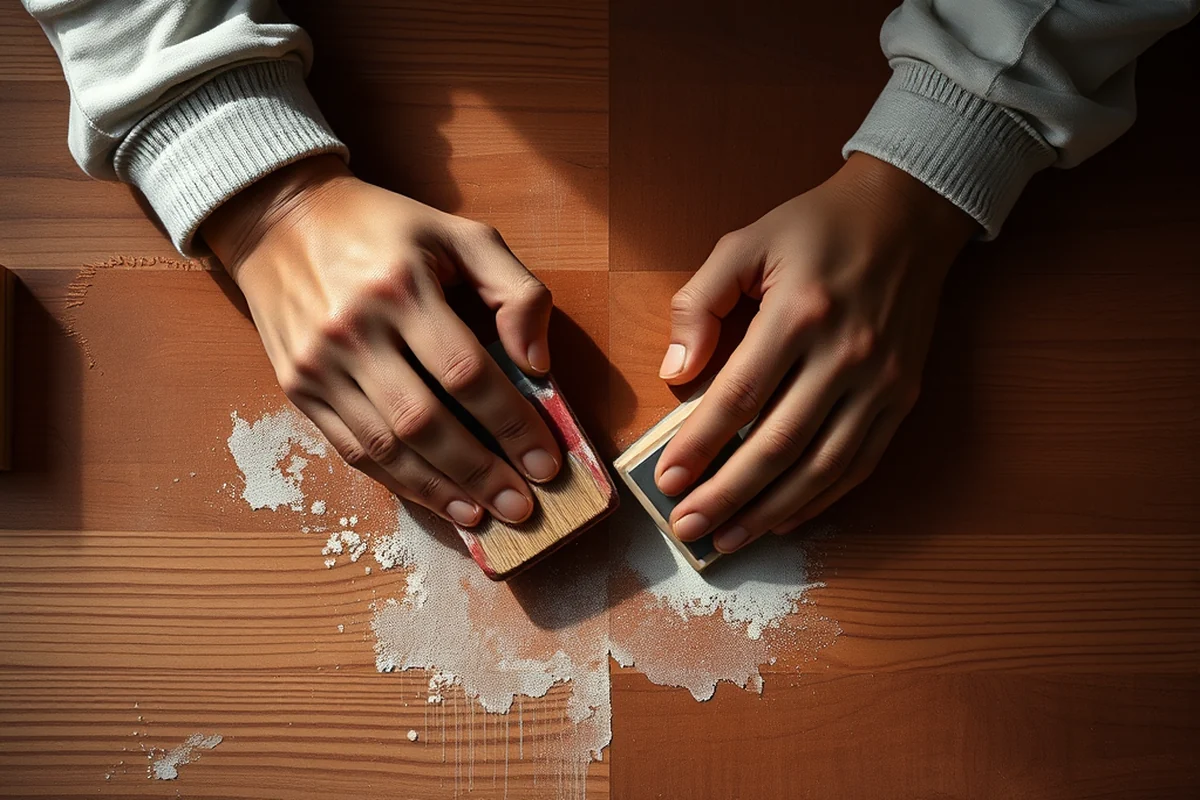
If you're looking for a budget-friendly and environmentally friendly cleaner, a mixture of water and white vinegar can work wonders. I’ve used this solution on my floors for years, and it's kept them looking clean and protected. The key is dilution — I mix one part vinegar with two parts water to avoid over-drying the floor or stripping the finish.
I once used straight vinegar on a small section of my floor and noticed the finish became slightly duller after a few days. That’s why I always stick to the 1:2 ratio. Another benefit of this method is that it’s safe for pets and children, so it’s great for families.
However, vinegar is not a substitute for a dedicated laminate floor cleaner. It's a good option for light cleaning, but if your floors are heavily soiled or have stains, you’ll need something more powerful.
A little vinegar and water can go a long way — but only if you use it right.
Related: Simple paint laminate furniture
Commercial Cleaners and Their Pros and Cons
Commercial cleaners are designed specifically for laminate flooring and often contain ingredients that help protect the surface while cleaning. I’ve found that products like Bona Hardwood Floor Cleaner are formulated to clean deeply without damaging the finish. They’re also safe to use on a regular basis, which is something I appreciate.
On the other hand, I once used Murphy’s Oil Soap on my floors and noticed that the shine lasted longer compared to other products. However, I found that some versions of Murphy’s can leave a slight residue if not wiped up quickly. That’s why I now use a microfiber cloth to ensure the cleaner is fully absorbed.
It’s important to read the label on any commercial cleaner and follow the instructions carefully. Some products require dilution, while others are ready to use. I’ve also noticed that some commercial products can be more expensive over time, but the long-term benefits of using a high-quality cleaner are worth it.
Always check the label to see if the product is suitable for your type of laminate and if it’s safe for regular use. Some products are only meant for spot cleaning or deep cleaning, not for everyday maintenance.
“I still remember the day I spilled red wine on my new laminate flooring — a disaster that taught me the hard way that cleaning…”— Laminatelove editors
Related: Homemade paint laminate
The Role of Microfiber Cloths in Cleaning Laminate Floors
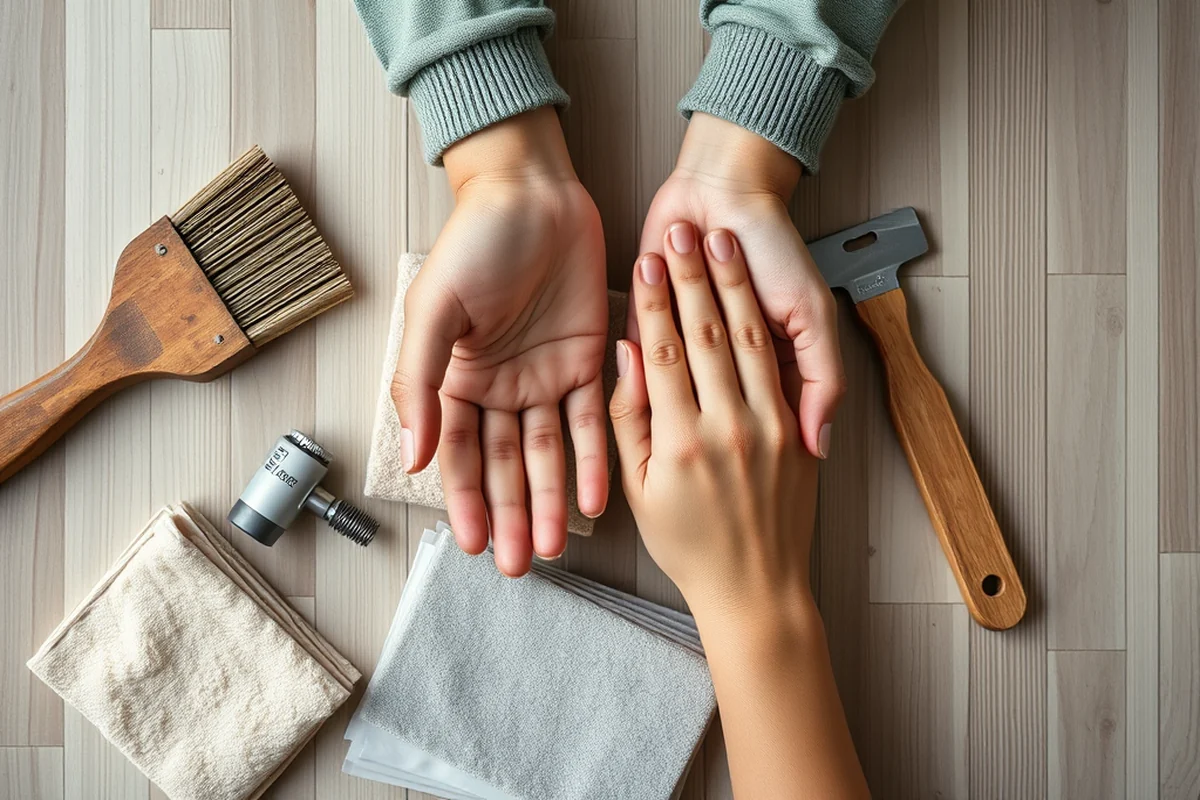
I can't overstate the importance of microfiber cloths with cleaning laminate flooring. I’ve tried every type of cloth from paper towels to cotton rags, but nothing compares to the softness and effectiveness of microfiber. These cloths are designed to trap dirt and moisture without leaving streaks or scratches.
One of the things I love about microfiber is that it’s reusable. I’ve used the same cloth for months, and it still works just as well. I always make sure to rinse it in clean water after each use and let it air dry to keep it from getting too dirty.
Another benefit of microfiber is that it’s gentle on the floor’s finish. I once used a rough cloth on my floor and left tiny scratches that were nearly impossible to remove. That’s why I always stick to microfiber when cleaning my floors.
Related: Painting laminate furniture printable
How Often Should You Clean Your Laminate Floors?
I’ve found that a quick daily sweep with a microfiber dust mop or vacuum is enough to keep my floors clean and free of debris. For spills, I clean them immediately with a damp cloth and a mild cleaner. This prevents stains and damage from setting in.
However, I’ve also learned that over-cleaning with harsh products or too much water can lead to warping or swelling. I once used a commercial cleaner too frequently and noticed that the floor started to feel slightly warped in a few spots. That’s why I now stick to a weekly deep cleaning with a mild solution.
The key is to find a balance between keeping your floors clean and avoiding overuse of any product. I recommend using a cleaner every two to three weeks for a deep clean, and daily maintenance is usually sufficient for most homes.[2]
Related: Fast paint laminate furniture diy
What to Do If You Accidentally Use the Wrong Cleaner
I’ve made the mistake of using a cleaner that wasn’t suitable for laminate flooring, and it took me a few weeks to notice the damage. The floor started to look dull and had a slight haze that didn’t come off with water. But I was able to fix it by using a microfiber cloth and a neutral pH cleaner.
The first step is to stop using the harmful cleaner immediately. Then, rinse the floor thoroughly with clean water to remove any residue. You can use a microfiber mop or cloth for this step.
After rinsing, use a neutral pH cleaner and a clean microfiber cloth to wipe the floor. This should help restore the shine and remove any remaining residue. If the damage is severe, you might need to contact a professional for help.
Don’t wait until it’s too late — act quickly if you use the wrong cleaner.
Related: Beginner paint a laminate desk
The Best Tools for Cleaning Laminate Floors
In addition to the right cleaner, I’ve found that having the right tools is just as important. A microfiber mop, a vacuum with a hardwood floor attachment, and a set of microfiber cloths are all essential for regular maintenance.
I’ve experimented with different types of mops and found that a microfiber mop is the most effective for laminate floors. It’s gentle on the surface and doesn’t leave streaks or residue. I also use a vacuum with a hardwood floor attachment to pick up dust and debris without damaging the floor.
For spot cleaning, I keep a few microfiber cloths on hand. They’re great for wiping up spills and cleaning small areas without leaving behind any lint or fibers. I also use a bucket with a microfiber mop pad for deeper cleaning.
💰 Budget Build
Use water and vinegar for a low-cost, eco-friendly solution. Ideal for homeowners looking to save money without sacrificing quality.
⏰ Weekend Version
Spend one weekend deep cleaning with a commercial cleaner and microfiber tools. Great for those who want to tackle the job quickly and thoroughly.
✨ Upgraded Finish
Invest in a high-quality cleaner and tools for a professional-level finish that keeps your floors looking brand new for years.
📏 Small-Space Adaptation
Use a small microfiber cloth and a spray bottle for quick cleaning in small areas. Perfect for apartments or homes with limited space.
🏠 Rental-Safe Option
Stick to a commercial cleaner that’s safe for rental properties. Avoid any permanent damage or residue that could be a problem when moving out.
| The mistake | Why it happens | The fix |
|---|---|---|
| Using too much water when cleaning. | Excess water can seep into the seams of the floor, causing warping or swelling over time. | Use only a damp microfiber cloth or mop, and avoid soaking the floor. |
| Using a cleaner with harsh chemicals. | Harsh chemicals can strip the protective layer of the floor and cause long-term damage. | Choose a cleaner that’s pH-neutral or slightly acidic and specifically designed for laminate flooring. |
| Not cleaning up spills immediately. | Spills left on the floor can seep into the seams and cause stains or warping over time. | Wipe up spills immediately with a clean microfiber cloth and a mild cleaner. |
| Using the wrong type of mop. | Using a mop that’s too abrasive can scratch the surface of the floor and damage the finish. | Use a microfiber mop or a mop designed for hardwood floors to avoid scratches and damage. |
Best Cleaner For Laminate Flooring
Common Questions
Can I use vinegar every day on my laminate floors?
What should I do if my floor is already damaged?
Are all microfiber cloths safe for laminate floors?
Can I use a steam mop on laminate floors?
References
- 2020 State of the Industry Report - Commonwealth of Pennsylvania (pa.gov)
- CHAPTER 4 - Guam Compiler of Laws (col.guamcourts.gov)
Cite this guide
Laminatelove (2026). Best Cleaner For Laminate Flooring. https://laminatelove.com/best-cleaner-for-laminate-flooring/
Feel free to cite or share this guide.