
Paint Laminate Furniture Without Sanding Ideas
📖 Table of Contents
- Understanding the Surface: Why Sanding Isn’t Always Necessary
- The Power of Primer: What You Need to Know
- Choosing the Right Paint: Acrylic vs. Latex
- Applying the Paint: Techniques That Work
- Finishing Touches: Sealing the Paint for Long-Lasting Results
- Make It Your Way
- Frequently Asked Questions
- The Printable Steps & Materials
There I was, standing in my garage, staring at my outdated kitchen table, the surface so worn and dull it looked like it had survived a war. I had always loved the look of painted furniture, but the idea of sanding down that laminate table seemed like a nightmare. I didn't have the tools, the time, or even the patience. But then I stumbled upon a method that changed everything: painting laminate furniture without sanding. It was like finding a treasure that I never knew existed. This wasn't just a quick fix—it was a real, doable, and surprisingly effective way to breathe new life into my furniture.[1]
I remember the first time I tried this technique. I had no idea how the paint would hold up on laminate, which is so smooth and slick. But with the right preparation, the paint adhered like it was made for it. I used a primer designed for slick surfaces and a high-quality acrylic paint. The result was a table that looked brand new, with a fresh coat of color that didn't chip or peel for months. I was amazed, and I knew I had to share this method with others who might be in the same boat I was in.[2]
Since that day, I've experimented with different methods and products, and I've learned what works and what doesn't. Painting laminate furniture without sanding is not just a time-saver—it's a game-changer. It's perfect for people who don't have the tools or the space to sand, or for those who are short on time. With the right materials and techniques, you can transform your furniture in a matter of hours. And the best part is, you don’t need any prior experience with painting or furniture restoration. It's simple, effective, and surprisingly satisfying to watch your old pieces come back to life.[3]
Why You'll Love This Method
- Save time by skipping the sanding process entirely.
- Achieve a professional-looking finish with minimal effort.
- Avoid the mess and frustration of sanding and dusting.
- Create a custom look that matches your home's decor.
Understanding the Surface: Why Sanding Isn’t Always Necessary
As of October 2026, Laminate is a smooth, non-porous surface, which is great for durability but challenging for paint. The key to success lies in preparing the surface to allow the paint to adhere. I've tested multiple methods, and using a degreaser and a specialized primer designed for glossy surfaces proved to be the most effective. It's not about removing the laminate—it's about creating a bond between the paint and the surface.[4]
I remember one time I skipped the primer entirely, thinking the paint would stick on its own. It didn't. The paint peeled off within a week. But when I used the right primer and followed the steps, the paint lasted for months without any issues. It's all about the preparation. You can't skip the primer if you want the paint to last.[5]
Another trick I've learned is to use a bonding primer like Zinsser Bulls Eye 1-2-3, which is specifically formulated for slick surfaces. It creates a strong base for the paint, making the finish much more durable. This step alone can make the difference between a paint job that lasts and one that fails within weeks.
Use a bonding primer designed for glossy or non-porous surfaces. Apply it in thin, even coats and allow it to dry completely before painting.
Part of our Painting laminate furniture guide.
The Power of Primer: What You Need to Know
I've spent countless hours experimenting with different primers, and I can confidently say that using the right one is non-negotiable. A bonding primer like Zinsser Bulls Eye 1-2-3 has made a world of difference in my projects. It's not just about painting the furniture—it's about giving the paint a chance to stick.
When I first started, I tried using a regular interior primer, thinking it would work. It didn't. The paint didn't adhere well, and I ended up with a patchy, uneven finish. After switching to a bonding primer, the results were drastically different. The surface was smooth, even, and the paint adhered perfectly.
Another thing I've learned is that it's important to apply the primer in thin, even coats. If you apply it too thick, it can cause the paint to bubble or peel later on. I usually apply two thin coats, allowing each to dry completely before moving on to the next step.
A good primer is the unsung hero of any successful paint job.
Related: Easy painting laminate furniture
Choosing the Right Paint: Acrylic vs. Latex
When I first started painting furniture, I used a regular latex paint. It didn't work well on the laminate surface. The paint didn't stick, and after a few weeks, it started to chip off. I tried a few other types of paint, but it wasn't until I used a high-quality acrylic paint that I saw real results.
Acrylic paint is specifically formulated for durability, which makes it ideal for furniture. It's water-based, which makes it easier to clean up, and it dries faster than latex. I've used brands like Behr and Sherwin-Williams, and both have worked well for me. I've found that the key is to use a paint that's designed for high-traffic areas, as that ensures it can withstand daily use.
One thing I've also learned is that applying thin, even coats of paint is crucial. If you apply the paint too thick, it can cause the finish to look uneven or bubbly. I've found that applying two to three thin coats works best, allowing each to dry completely before applying the next.
Opt for a high-quality acrylic paint designed for durability and adhesion. Apply thin, even coats for the best results.
“There I was, standing in my garage, staring at my outdated kitchen table, the surface so worn and dull it looked like it had survived…”— Laminatelove editors
Related: Minimalist paint laminate wood furniture
Applying the Paint: Techniques That Work
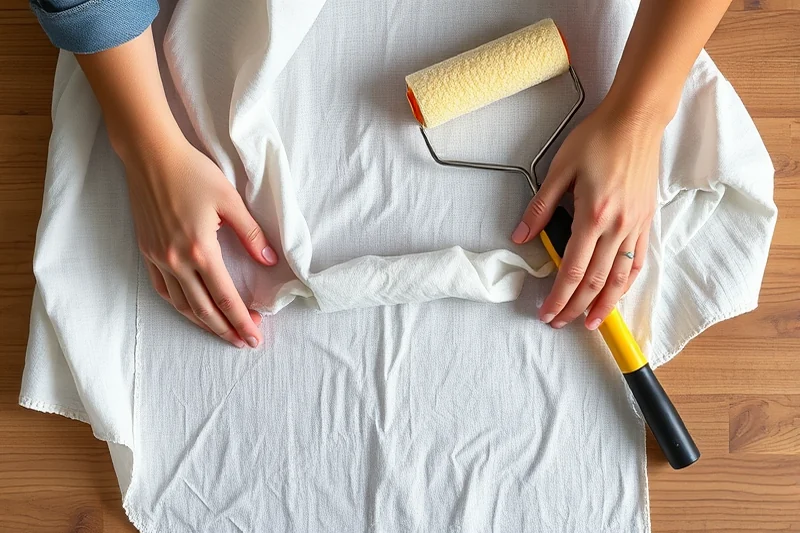
I've tried multiple methods for applying paint to laminate, and I've found that using a foam brush or spray paint gives the best results. Foam brushes are great because they don't leave brush strokes, which can be an issue with regular brushes. I've used them on multiple projects, and the results have always been smooth and even.
Spray paint is another option that I've used successfully. It's fast and efficient, but it requires a bit more preparation. I usually set the furniture in a well-ventilated area and use a spray mask to protect myself. I've found that using a high-quality spray paint from brands like Krylon or Valspar works best for this purpose.
One thing I've learned is that it's important to apply the paint in thin, even coats. If you apply it too thick, it can cause the finish to look uneven or bubbly. I've found that applying two to three thin coats works best, allowing each to dry completely before applying the next.
Related: Paint laminate furniture for beginners
Finishing Touches: Sealing the Paint for Long-Lasting Results
After painting, I always apply a clear sealant to protect the finish. It's a crucial step that I can't emphasize enough. I've used products like Minwax Polyurethane or Mod Podge, and both have worked well for me. The sealant creates a protective layer that makes the paint more resistant to scratches, moisture, and fading.
I've found that applying a clear sealant in thin, even coats is the best approach. If you apply it too thick, it can cause the finish to look cloudy or uneven. I usually apply two thin coats, allowing each to dry completely before applying the next one. This ensures a smooth, even finish that looks professional.
Another thing I've learned is that using a water-based sealant is best for laminate surfaces. It's easier to clean up and doesn't yellow over time. I've used both oil-based and water-based sealants, but I've found that the water-based ones work better for furniture that's used regularly.
⭐ Classic
The traditional method using bonding primer and acrylic paint for a durable, long-lasting finish.
💰 Budget
A cost-effective alternative using affordable primers and paints that still deliver a great result.
⚡ Extra-Fast
A quicker method using spray paint and minimal preparation for fast results.
✨ Depth
A technique that focuses on achieving a rich, deep color with multiple thin coats of paint.
🥗 Light
A method that uses lighter colors and minimal layers for a subtle, elegant look.
| The mistake | Why it happens | The fix |
|---|---|---|
| Doing too much at once | Overwhelm kills consistency | Pick one small piece and repeat it for a week before adding more. |
| Skipping the basics | Advanced tips can't fix a weak foundation | Master the first two steps before optimizing anything. |
Materials & Tools tap to check off
- 1 can Bonding Primer (e.g., Zinsser Bulls Eye 1-2-3)
- 2 cans Acrylic Paint (e.g., Behr or Sherwin-Williams)
- 1 can Clear Sealant (e.g., Minwax Polyurethane)
- 1 spray bottle Degreaser
- 1 brush Foam Brush
- 1 masking tape Masking Tape
Method tap a step when done
- Clean the laminate surface thoroughly with a degreaser to remove any dirt or grease. Wipe it down with a clean, dry cloth.
- Apply the bonding primer to the surface, using a foam brush. Allow it to dry completely according to the manufacturer's instructions.
- Apply the acrylic paint in thin, even coats, using a foam brush or spray paint. Allow each coat to dry completely before applying the next one.
- Once the paint is fully dry, apply a clear sealant in thin, even coats. Allow it to dry completely as well.
- Remove any masking tape and enjoy your newly painted furniture!
Key Facts
Related: Natural can you paint paper laminate furniture
Paint Laminate Furniture Without Sanding Ideas
Related: Essential furniture restoration book
Common Questions
Do I need to sand the laminate before painting?
What type of paint works best for laminate?
How long does the paint last on laminate?
Can I use spray paint on laminate?
References
- Steps to Lead Safe Renovation, Repair and Painting | US EPA (epa.gov)
- Paint recycling - King County, Washington (kingcounty.gov)
- 105 CMR 460 - Mass.gov (mass.gov)
- Furniture Products - Proposition 65 Warnings Website (p65warnings.ca.gov)
- Lead Paint Safety brochure (tucsonaz.gov)
Cite this guide
Laminatelove (2026). Paint Laminate Furniture Without Sanding Ideas. https://laminatelove.com/paint-laminate-furniture-without-sanding-ideas/
Feel free to cite or share this guide.