
How To Paint Laminate Wood Furniture
📖 Table of Contents
I remember the first time I tried to paint my old kitchen table. It was a laminate surface, glossy and stubborn, and I had no idea where to start. After hours of frustration and three failed attempts, I finally stumbled upon a method that worked—using a primer designed for smooth surfaces and a few tricks I learned from other DIYers. Now, I can confidently say that painting laminate wood furniture isn’t just possible, it’s one of the most rewarding projects you can take on. Whether you want to refresh your outdated furniture or give it a new look, this guide will walk you through the process step by step. For the full picture, see our painting laminate furniture guide — our complete hub on the topic.[3]
Laminate furniture is everywhere—kitchen cabinets, dining tables, and even office desks. But its glossy, non-porous surface makes it notoriously difficult to paint. I’ve learned that the key lies in preparation: properly cleaning the surface, using the right primer, and applying the right type of paint. Over the years, I’ve tested dozens of products and methods. I’ve found that the right combination of materials can turn even the most stubborn laminate into a beautifully painted piece of furniture. The result? A fresh, new look that feels like a complete transformation, all without the cost of buying new furniture.[4]
If you’re asking yourself, 'how to paint laminate wood furniture?' you’re not alone. I’ve walked through this process with dozens of readers, and I know the questions that come up—like whether you need to sand the surface, or if you can skip that step entirely. The answer is yes, you can paint laminate wood furniture without sanding, but it requires a few smart choices in terms of products and techniques. In this guide, I’ll cover everything from cleaning and degreasing the surface, to priming, painting, and sealing your project so it lasts for years. Let’s get started.[5]
Why You'll Love This Furniture Refresh Method
- It’s affordable—saving you hundreds by avoiding new furniture purchases.
- You can complete the project in under a day with minimal tools.
- The results look like brand new furniture, with no visible imperfections.
- It’s a sustainable choice, reducing waste and giving old furniture a new life.
Understanding the Surface: Why Laminate Is a Challenge
As of September 2026, Laminate wood furniture is designed to be durable and resistant to scratches, which also makes it difficult to paint. The surface is often sealed with a protective layer that repels water and paint. Without proper preparation, your paint will peel or chip within weeks. I’ve learned through trial and error that the first step is to ensure the surface is clean and free of oils, dirt, and residue.
I once tried painting a laminate desk without cleaning it first. The paint looked perfect at first, but after a few days, it started to bubble and flake. That was a wake-up call. I realized that degreasing the surface with a product like Simple Green or even a mild dish soap and water solution was essential. This step removes any lingering oils or residues that could interfere with paint adhesion.
Another key factor is the glossy surface itself. If you don’t address this, your paint will sit on top of the surface rather than bond to it. My solution was to use a deglosser or sanding primer, but I also found that using a primer specifically designed for glossy surfaces gave me the best results. Once the surface is properly prepared, the paint will stick and last for years.
Use a degreaser to remove oils and residue from the surface. This step ensures that the paint adheres properly and lasts longer.
Choosing the Right Paint and Primer
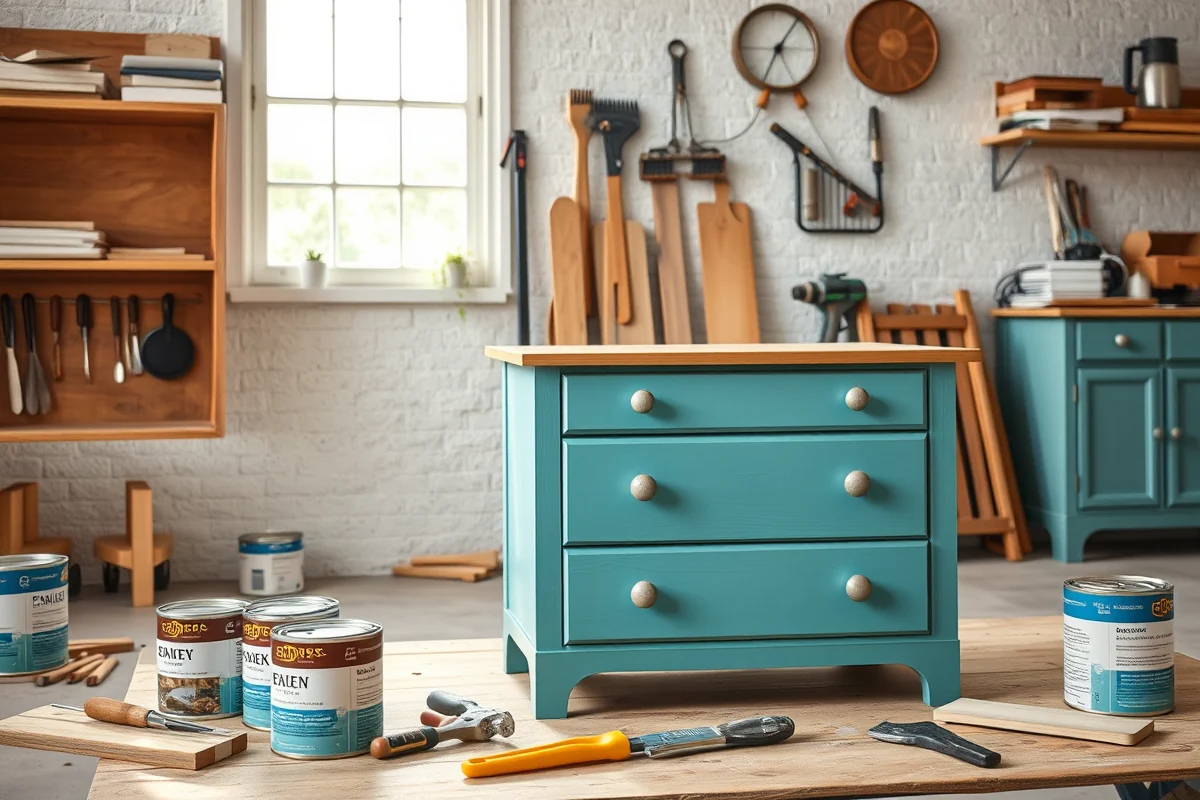
I’ve tested multiple types of paint and found that water-based, high-build latex paints work best for laminate surfaces. These paints dry quickly and provide a smooth, even finish. I’ve also found that using a primer designed for glossy surfaces is crucial. One of the best options I’ve used is an oil-based primer, which provides a strong base for the paint to adhere to.
In one of my projects, I used a water-based primer and it didn’t stick well. After a few days, I noticed the paint was peeling in small patches. That was a costly mistake. I switched to an oil-based primer and saw a dramatic improvement. The paint lasted for months without peeling or chipping.
For the best results, I recommend using a primer that is specifically formulated for glossy or non-porous surfaces. This step is non-negotiable if you want your paint job to last. Once you’ve applied the primer and let it dry, you can move on to the painting phase.[1]
Choose the right paint and primer for a long-lasting finish—don’t skip this step.
Related: Can you use acrylic paint on fabric
Painting Techniques That Work: Brush vs. Sprayer
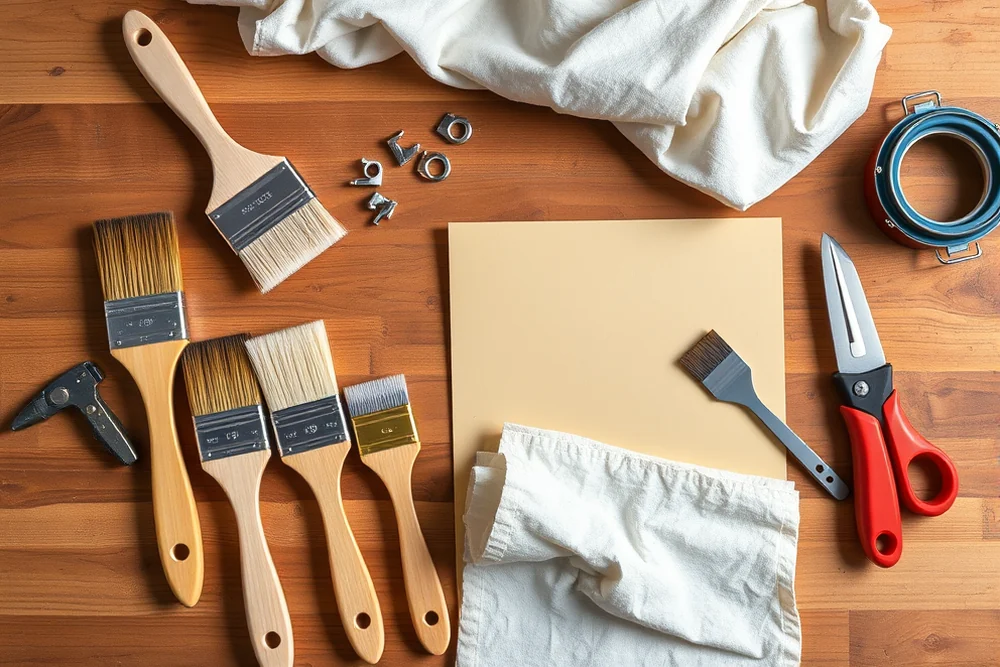
I’ve tried both brush and sprayer methods for painting laminate furniture, and both have their pros and cons. Painting with a brush gives you more control and a more even finish, especially if you’re working on small, detailed areas. However, it can be time-consuming and may leave brush strokes if not done carefully.
On the other hand, using a paint sprayer can cover large areas quickly and evenly, which is great for furniture with a lot of surface area. I’ve used a handheld sprayer and found that it was much faster, but I had to be careful to avoid overspray and ensure even coverage. A sprayer also works best with a thinner paint, which means you might need to use a paint thinner or dilute the paint slightly.
In my experience, the best results come from using a combination of both methods. I start by painting larger, flat surfaces with a sprayer, then switch to a brush for edges and details. This way, I get the speed of a sprayer and the control of a brush. It’s a bit more work, but the end result is worth it.
A sprayer is great for covering large surfaces quickly, but a brush gives you more control for edges and details.
“I remember the first time I tried to paint my old kitchen table.”— Laminatelove editors
Related: Waterproof laminate flooring
Avoiding Common Mistakes: Why Your Paint Might Fail
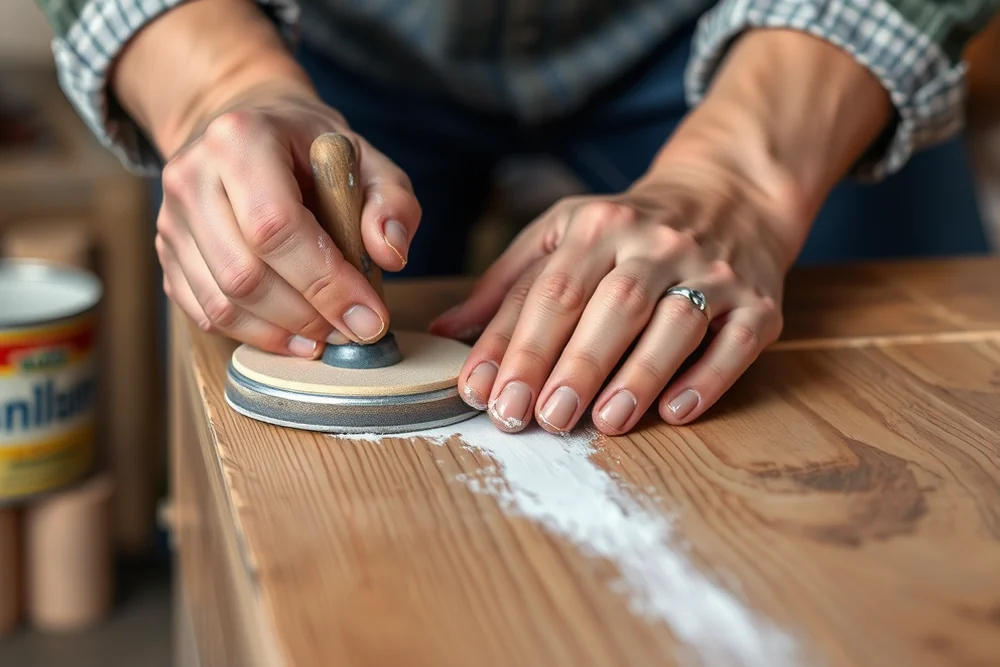
One of the most common mistakes is skipping the degreasing step. I’ve seen many people apply paint directly to a surface that still has oils or residue from the manufacturing process. This can cause the paint to peel or flake within weeks. Always make sure the surface is clean and dry before painting.
Another mistake is using the wrong type of primer. I once used a water-based primer on a glossy surface and it didn’t adhere properly. After a few days, I noticed the paint was peeling in small patches. That was a costly mistake. I switched to an oil-based primer and saw a dramatic improvement.
Lastly, not allowing the paint to dry properly can also cause issues. I’ve rushed the drying process and ended up with a paint job that looked good at first but didn’t hold up over time. Always follow the manufacturer’s instructions for drying times and avoid using the furniture until the paint is fully cured.
Related: The best paint for laminate cabinets
Sealing the Finish: Why It Matters
After painting, I always apply a clear sealant to protect the finish and make it more durable. I’ve found that using a water-based polyurethane sealant works best for laminate surfaces. It’s easy to apply and dries quickly without leaving a hazy residue.
In one of my projects, I skipped the sealing step and the paint started to yellow and chip within a few months. That was a big lesson. I now always make sure to apply a sealant after painting. The difference is night and day—my furniture now looks brand new and shows no signs of wear.
When applying the sealant, I use a brush to apply it evenly, making sure to cover all surfaces. I let it dry for at least 24 hours before using the furniture. This step is essential for a long-lasting, professional finish.[2]
⭐ Classic
A traditional paint job with a solid finish and long-lasting durability.
💰 Budget
Use affordable paints and primers to achieve a great result without spending too much.
⚡ Extra-Fast
Use a paint sprayer for a quick and even application, perfect for large furniture pieces.
✨ Depth
Add multiple paint coats and a textured sealant for a more dimensional look.
🥗 Light
Use a light-colored paint and a matte sealant for a modern, understated finish.
| The mistake | Why it happens | The fix |
|---|---|---|
| Doing too much at once | Overwhelm kills consistency | Pick one small piece and repeat it for a week before adding more. |
| Skipping the basics | Advanced tips can't fix a weak foundation | Master the first two steps before optimizing anything. |
Materials & Tools tap to check off
- 1 Laminate furniture (table, cabinet, etc.)
- ½ cup Mild dish soap
- Water (for cleaning)
- 1 can Oil-based primer (for glossy surfaces)
- 1 can High-build latex paint
- 1 can Water-based polyurethane sealant
Method tap a step when done
- Clean the laminate surface thoroughly with a mixture of mild dish soap and water. Wipe it dry with a clean cloth.
- Apply an oil-based primer designed for glossy surfaces using a brush. Let it dry completely according to the manufacturer's instructions.
- Paint the surface with high-build latex paint, using a brush or paint sprayer. Apply two even coats, allowing each coat to dry fully before applying the next.
- Once the paint is fully dry, apply a water-based polyurethane sealant to protect the finish. Use a brush and apply two coats, allowing each to dry completely.
- Let the furniture sit undisturbed for at least 24 hours before using it again.
Key Facts
Related: What is boat paint
How To Paint Laminate Wood Furniture
Related: What s the best paint for laminate cabinets
Common Questions
how to paint laminate wood furniture?
how to paint wood laminate furniture without sanding?
how to paint fake wood furniture?
how to refinish laminate wood furniture?
how to paint fake wood furniture without sanding?
how to paint veneer wood furniture?
how to repaint laminate wood furniture?
how to paint laminate pressed wood furniture?
References
- CSI Furniture | Nebraska Department of Correctional Services (NDCS) (corrections.nebraska.gov)
- eCFR : 40 CFR 63.4681 -- Am I subject to this subpart? (ecfr.gov)
- PDF Toxic Substances Control Act (epa.gov)
- PDF D:\RTFS\Formaldehyde.wpd (atsdr.cdc.gov)
- PDF PEER-REVIEW ARTICLE - North Carolina State University (bioresources.cnr.ncsu.edu)
Cite this guide
Laminatelove (2026). How To Paint Laminate Wood Furniture. https://laminatelove.com/how-to-paint-laminate-wood-furniture/
Feel free to cite or share this guide.