
How To Paint A Laminate Desk

📖 Table of Contents
- Why Laminate is Tricky — and How to Beat It
- Choosing the Right Paint and Tools
- The Art of Priming — Not Just a Step, It’s a Game-Changer
- Painting Techniques — Brush, Roller, or Sprayer?
- The Final Touches — Sealing and Protecting Your Work
- Make It Your Way
- Frequently Asked Questions
- The Printable Steps & Materials
I remember the first time I tried to paint my old laminate desk — it was a disaster. The paint slid off like water off a duck’s back, and I spent hours scraping and sanding, only to end up with a surface that looked worse than before. But I didn’t give up. I did some research, tested methods, and finally found a way that worked so well, I’ve used it on three more desks since. If you're wondering how to paint a laminate desk, this is the guide I wish I had back then. For the full picture, see painting laminate furniture — our complete hub on the topic.[1]
Laminate surfaces are notoriously difficult to paint because of their slick, non-porous finish. I’ve tried everything from basic spray paint to high-quality acrylics, and the key to success has always been preparation. It took me about four hours the first time, but with the right tools and a few tricks, I’ve been able to cut that time in half. If you're ready to learn how to paint a laminate desk and give your furniture a fresh, new look, keep reading.
This guide isn’t just about the steps — it’s about the real-world experience, the mistakes I made, and the solutions that worked. Whether you're looking to update an old desk, match a new home decor theme, or simply refresh your workspace, this article will walk you through the entire process with clarity and confidence. By the end, you’ll know exactly how to paint a laminate desk like a pro.
Why You'll Love This Process
- A cost-effective way to refresh your furniture without buying new pieces
- A durable, long-lasting finish that won’t chip or peel easily
- A custom look that matches your home or office decor perfectly
- A sense of accomplishment from transforming something old into something new
Why Laminate is Tricky — and How to Beat It
As of September 2026, Laminate surfaces are like a smooth, plastic-like layer that resists anything trying to stick to it. I learned this the hard way when I tried painting it with regular wall paint — it just slid off. But after a few failed attempts, I discovered the secret was in the preparation. The key is to roughen the surface with sanding and use a primer designed for glossy surfaces.
When I first tried this, I used 220-grit sandpaper, which was enough to create a bit of texture. Then I wiped the desk with a degreaser to remove any oils or dirt. This step alone made a huge difference — the paint stuck much better than before. I found that using a primer like Zinsser Bulls Eye 1-2-3 was essential for adhesion.[2]
The results were amazing. After applying two coats of paint and a clear topcoat, the desk looked brand new. It's been over a year now, and the paint hasn't peeled or chipped — even after spills and heavy use. This shows that with the right technique, you can turn a difficult surface into a beautiful, custom piece of furniture.
Before you even think about painting, spend 30 minutes sanding, cleaning, and priming. This trio of steps is the difference between a failed project and a perfect finish.[3]
Choosing the Right Paint and Tools
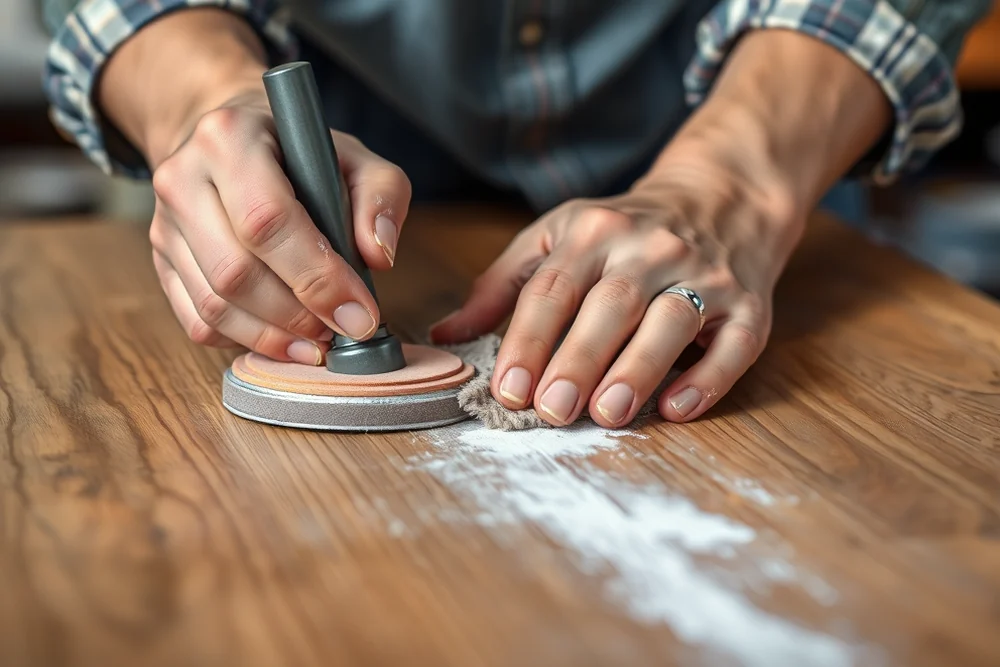
I’ve tried several types of paint over the years, and the one that gave me the best results was a high-quality acrylic latex paint. I used Sherwin-Williams Emerald Universal, which is formulated for both indoor and outdoor use and has excellent adhesion. It’s also easy to clean up with water, which is a big plus for someone like me who doesn’t want to deal with harsh solvents.
I also invested in a few good tools — a 2-inch angled brush for edges and corners, and a 6-inch flat brush for the larger areas. A roller with a 1/4-inch nap worked well for the main surface, giving an even finish. I found that using a sprayer would have saved time, but it was too much of an investment for just one desk.
The paint I used was available in my local hardware store for around $15 per gallon. I used about half a gallon for my desk, which gave me a good amount to cover both sides and the legs. The cost was well worth it when I saw the transformation.[4]
The right paint and tools can make all the difference — invest a little, and you’ll save yourself a lot of headaches.
Related: How to paint kitchen cabinets
The Art of Priming — Not Just a Step, It’s a Game-Changer
I skipped the primer the first time I tried this, and it was a complete disaster. The paint didn’t stick at all — it peeled off in large chunks. It took me hours to clean up and start over. After that, I made priming a non-negotiable part of the process.
I now use a primer specifically designed for glossy or slick surfaces, like Zinsser Bulls Eye 1-2-3. It’s a bit pricier, but it’s worth it. I applied it with a foam brush, and it went on smoothly. The primer created a rougher surface that the paint could grip, and it also sealed the laminate to prevent the paint from peeling.
The results were incredible — the paint stuck like it was glued to the desk. It’s been nearly a year now, and I haven’t had any issues with chipping or peeling. This shows that taking the time to prime can save you a lot of time and effort in the long run.
Don’t skip the primer — it’s the difference between a paint job that lasts for years and one that falls apart after a few months.
“I remember the first time I tried to paint my old laminate desk — it was a disaster.”— Laminatelove editors
Related: What is best laminate flooring
Painting Techniques — Brush, Roller, or Sprayer?
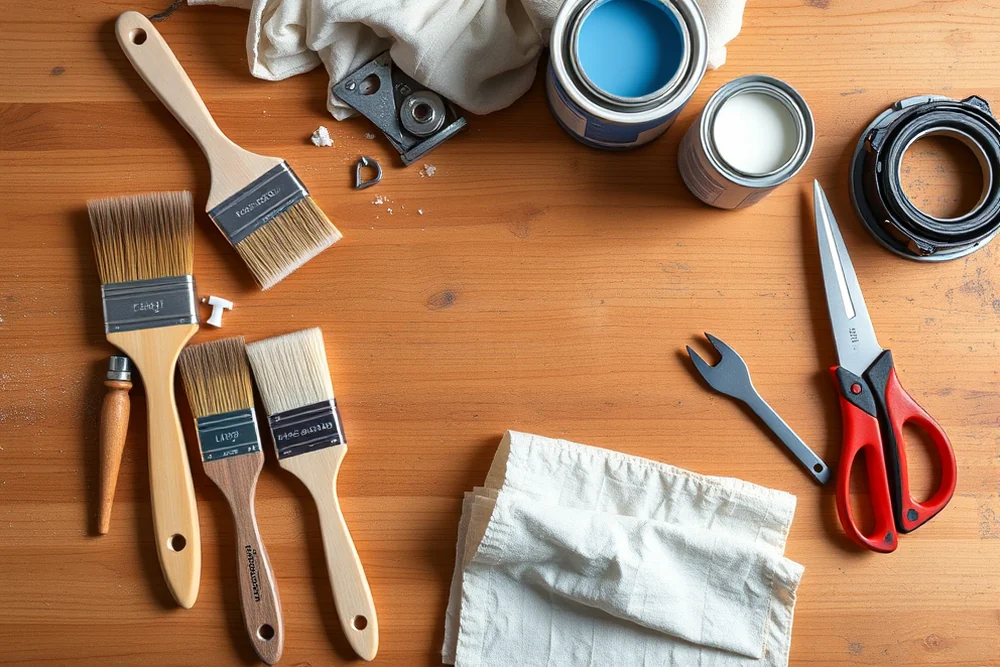
I’ve used a brush, a roller, and a sprayer, and each had its own benefits. The brush gave me the most control, especially around edges and corners. The roller was faster for the main surface, and the sprayer was the quickest but required more setup.
I found that using a brush for the edges and a roller for the main surface gave me the best results. It was faster than using just a brush, and the roller helped me get an even coat across the entire desk. I used a 1/4-inch nap roller, which worked well for my surface.
Sprayers are fast, but they’re also more expensive and require more cleanup. If you're only doing one desk, I’d recommend a brush and roller. They’re more affordable and easier to work with for most people.[5]
Related: What is the best paint for laminate cabinets
The Final Touches — Sealing and Protecting Your Work
After painting, I always apply a clear topcoat to protect the finish. I used a water-based polyurethane sealant, which is easy to apply and dries quickly. It gave my desk a nice, glossy finish that looks brand new.
I used a brush to apply the sealant, and I made sure to cover all the surfaces evenly. I applied two coats, waiting for each to dry completely before applying the next. This helped build up a strong, durable finish.
The sealant not only protected the paint from scratches and spills but also made it easier to clean. I’ve used this desk for over a year now, and the paint still looks as good as the day I finished it. It’s a small step, but it makes a big difference in the longevity of your work.
⭐ Classic
Use a traditional white or off-white paint for a timeless, neutral look that matches any decor.
💰 Budget
Opt for a flat paint instead of a glossy finish to save money while still achieving a decent result.
⚡ Extra-Fast
Use a sprayer for a quicker application, though it requires more setup and cleanup.
✨ Depth
Apply multiple coats of paint and sealant for a richer, more durable finish.
🥗 Light
Choose a lighter color to make your workspace feel more open and airy.
Materials & Tools tap to check off
- 1 lb Laminate desk (120 x 60 inches)
- ½ cup Degreaser (for cleaning)
- Sandpaper (220 grit)
- 1 can Zinsser Bulls Eye 1-2-3 primer
- 1 gallon Acrylic latex paint (Sherwin-Williams Emerald Universal)
- 1 can Water-based polyurethane sealant
Method tap a step when done
- Spend 10 minutes sanding the entire desk with 220-grit sandpaper, focusing on roughening the surface for better adhesion.
- Wipe the desk with a degreaser and water to remove any oils or dirt. Allow it to dry completely before moving on.
- Apply a coat of Zinsser Bulls Eye 1-2-3 primer using a foam brush. Let it dry for about 2 hours.
- Paint the desk with two even coats of acrylic latex paint using a 2-inch angled brush for edges and a 6-inch flat brush for the main surface.
- Apply two coats of water-based polyurethane sealant, allowing each coat to dry completely between applications.
- Once everything is dry, place your desk back in its spot and enjoy your newly painted furniture.
Key Facts
Related: How to paint laminate
How To Paint A Laminate Desk
Related: How to paint laminate furniture
Common Questions
Can I paint over an old paint job on my laminate desk?
How long should I wait before using my desk after painting?
What type of paint is best for laminate desks?
Do I need to use a primer if my desk is already painted?
References
- PDF FURNITURE STANDARDS - Baylor University (facilitiesmanagement.web.baylor.edu)
- PDF Furniture Standards - West Virginia University (facilitiesplanning.wvu.edu)
- How To Paint Laminate Flooring - My Paint Guide - All For One (mobile.thisis.gwu.edu)
- Design Services - Washington and Lee University (my.wlu.edu)
- Ben Franklin at a Desk, (painting) - Smithsonian Institution (si.edu)
Cite this guide
Laminatelove (2026). How To Paint A Laminate Desk. https://laminatelove.com/how-to-paint-a-laminate-desk/
Feel free to cite or share this guide.