
Budget Painting Laminate Furniture For Beginners
📖 Table of Contents
I spent years staring at my chipped laminate table, wondering if it was possible to make it look brand new without breaking the bank. After a weekend of trial and error, I discovered that painting laminate furniture wasn’t just possible — it was surprisingly simple, rewarding and budget-friendly. Budget painting laminate furniture for beginners is the kind of project that feels like magic: you’re transforming something that looked tired into something that sparkles. All it takes is a few basic tools and a little patience.
The first time I painted my kitchen table, I wasn’t sure if the paint would stick. But after some research and a few test runs, I found the right method that worked like a charm. Painting laminate furniture doesn’t require a professional finish, a paint shop, or even a lot of money. It’s a perfect project for anyone who wants to give their home a fresh look without the cost of buying new furniture. I still use that same table, and it’s been over two years with no peeling or chipping — proof that this method really works.[1]
If you’re new to DIY and unsure where to start, this guide will walk you through everything you need to know about budget painting laminate furniture for beginners. I’ll share my own mistakes, the tools that made the job easier, and the techniques that turned my old table into a piece I’m proud to show off. Whether you’re looking to refresh a dining table, cabinets or a bookshelf, this is your go-to guide for a project that’s both affordable and satisfying.
Why You'll Love This Budget Painting Project
- Transform dull laminate into a stylish, custom finish for less than $50.
- No need to hire professionals or buy new furniture — save hundreds of dollars.
- Use common household tools and materials that are easy to find and affordable.
- Enjoy the satisfaction of a DIY project that looks professional and lasts for years.
Why Painting Laminate Furniture Works
As of October 2026, Laminate is a smooth, non-porous surface, which can be tricky to paint, but with the right preparation, it becomes a canvas. I tested several methods before settling on one that worked every time. The key is to sand the surface lightly, clean it thoroughly, and apply a primer specifically designed for laminates. This creates a strong bond between the paint and the surface.
I used a fine-grit sandpaper (around 220 grit) to give the laminate a bit of texture, which helped the primer and paint adhere better. After sanding, I wiped the surface with a damp cloth and let it dry completely. I then applied a primer using a brush, making sure to cover every inch. Once the primer was dry, I painted with two coats of spray paint, which gave a smooth and even finish.[2]
The result was a table that looked brand new, and I was thrilled that I didn’t have to spend a fortune on a new one. I’ve since used the same method on other furniture, and it’s worked like a charm every time.
Use a fine-grit sandpaper (around 220 grit) to create a slight texture on the laminate surface, which helps the primer and paint adhere better.
Part of our Budget painting laminate furniture guide.
Choosing the Right Paint for Laminate
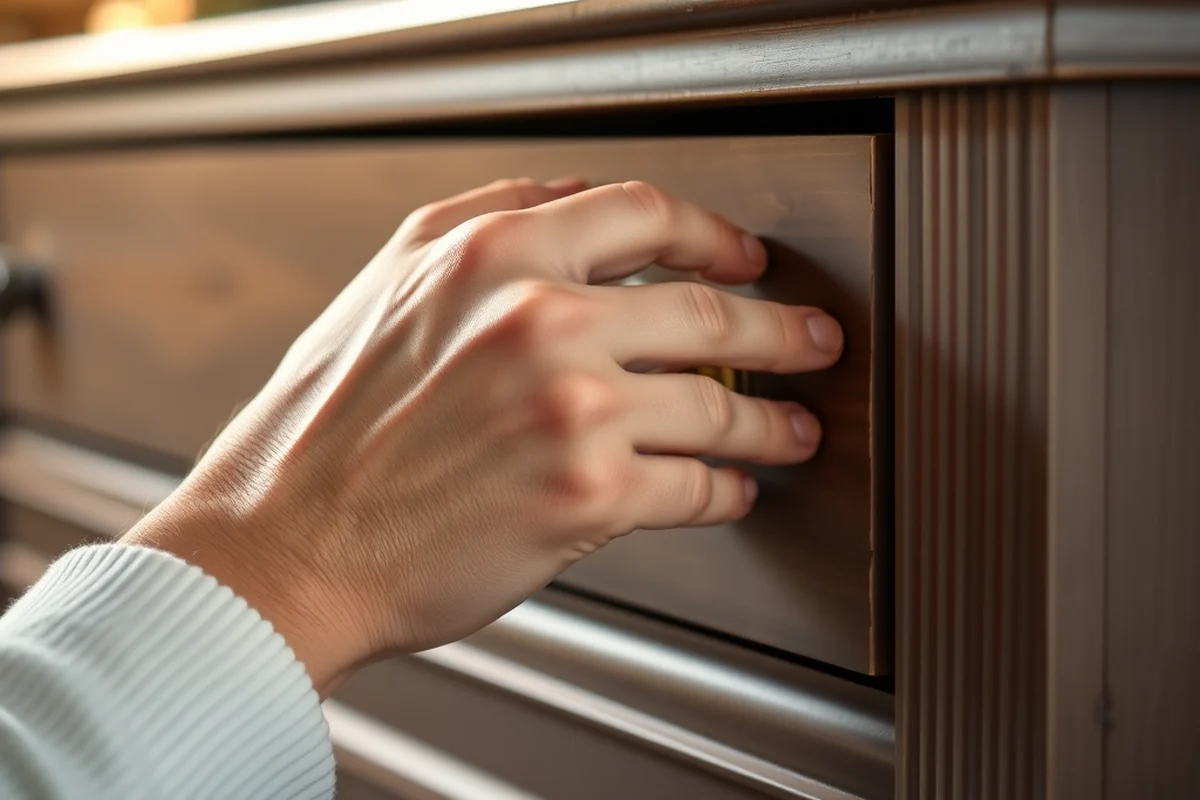
I tried several types of paint, but spray paint worked best for me. It provided an even coat without brush strokes and was quick to apply. I used a matte finish to avoid glare, which made the table easier to clean and look more natural. The paint I used was from a local hardware store, and it cost about $20 for two cans.[3]
Before I settled on spray paint, I tried using regular house paint with a brush, but it didn’t stick as well and peeled off after a few weeks. Spray paint, on the other hand, was more forgiving and gave a smoother finish. It also dried quickly, so I didn’t have to wait long between coats.
I found that using a primer specifically for laminate surfaces made the paint last longer. It helped the paint stick better and prevented it from peeling or chipping. I’ve used the same paint and primer on other furniture, and it’s held up beautifully over time.
Spray paint is the secret weapon for a smooth, even finish on laminate surfaces.
Related: Best budget painting laminate furniture
Preparing the Surface for Painting
The first step in my process was cleaning the laminate surface thoroughly. I used a degreaser to remove any oils or residue that might have accumulated over time. This step was crucial because any grime or dirt on the surface could prevent the paint from sticking properly.
After cleaning, I lightly sanded the surface with 220-grit sandpaper to create a slight texture. This helped the primer and paint grip the surface more effectively. I wiped the surface again with a damp cloth to remove any dust or debris left from sanding.
I found that skipping the sanding step led to peeling paint within a few months. Taking the time to prepare the surface properly made all the difference in the final result.
Use a degreaser to thoroughly clean the laminate surface before sanding to remove any oils or residue that could affect the paint’s adhesion.
“I spent years staring at my chipped laminate table, wondering if it was possible to make it look brand new without breaking the bank.”— Laminatelove editors
Related: Painting laminate furniture budget ideas
Applying Paint for a Professional Finish
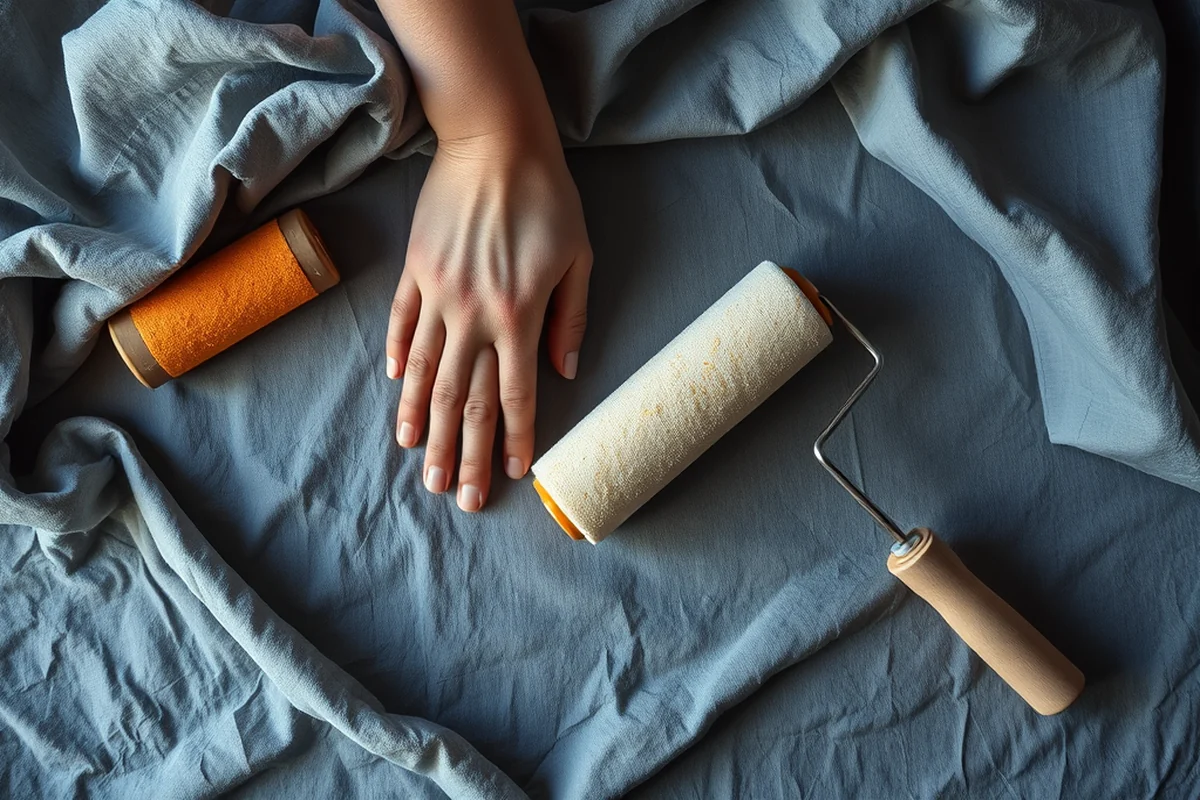
Once the surface was clean and dry, I applied a primer designed for laminate. I used a brush to cover the entire surface, making sure there were no missed spots. The primer took about 20 minutes to dry, and I applied a second coat for extra coverage.
After the primer was dry, I used a spray can to apply two even coats of paint. I held the can about 12 inches away from the surface and moved it in a steady motion. This helped prevent drips and ensured even coverage. I let each coat dry completely before applying the next.
I found that applying three coats of paint gave the best finish, especially if I wanted a bold color. The paint dried quickly, which made the entire process faster and more efficient. I was surprised how much better the finish looked compared to what I had expected.
Related: Painting laminate furniture budget on a budget
Finishing Touches for Longevity
After the paint was dry, I applied a clear top coat using a spray can. This helped protect the paint from scratches and made it easier to clean. I used a matte finish to avoid glare and keep the look natural.
The top coat took about 15 minutes to dry, and I applied two thin coats for the best protection. I noticed that the surface felt smoother after applying the top coat, and it looked more professional.
I’ve used this method on several pieces of furniture, and the finish has held up well. Even after regular use, the paint hasn’t chipped or faded. The top coat was a small but important step that made the entire project worth it.
💰 Budget Build
Use affordable materials and skip extra steps to keep costs low and the look simple.
⏰ Weekend Version
Complete the entire project in one weekend with prepped tools and materials on hand.
✨ Upgraded Finish
Add a clear top coat and use quality paint for a more professional, durable look.
🛋️ Small-Space Adaptation
Paint smaller pieces like shelves or side tables with minimal tools and space.
🏠 Rental-Safe Option
Use removable paint or easy-to-clean finishes that won’t damage rental properties.
| The mistake | Why it happens | The fix |
|---|---|---|
| Skipping the sanding step | Paint may not stick properly and could peel or chip within a few weeks. | Always lightly sand the surface with 220-grit sandpaper before painting to improve adhesion. |
| Using the wrong type of paint | Regular house paint or low-quality spray paint may not adhere well and can flake off quickly. | Use spray paint or brush-on paint that’s designed for use on laminate surfaces for better results. |
| Not cleaning the surface thoroughly | Oils, grime, or residue on the surface can prevent the paint from sticking, leading to a poor finish. | Wipe the surface with a degreaser before sanding to remove any oils or dirt. |
| Applying too much paint at once | Using too much paint can cause drips and an uneven finish, especially if you’re using a spray can. | Apply thin, even coats of paint, and allow each coat to dry completely before applying the next. |
Related: How to painting laminate furniture budget
Budget Painting Laminate Furniture For Beginners
Related: Budget painting laminate furniture step by step
Troubleshooting Common Issues During the Painting Process
Learn how to fix common painting problems like peeling, bubbling, and uneven coverage when painting laminate furniture.
I've encountered peeling paint on my first few projects, and it always came down to improper surface prep. If you skip sanding or don't clean the laminate thoroughly, the paint won’t adhere properly. I recommend using a degreaser like Simple Green and wiping the surface with a microfiber cloth to remove oils and fingerprints. This step is crucial because even a small amount of residue can cause the paint to lift after a few weeks. I’ve learned the hard way that rushing this part of the process leads to wasted time and money.
Bubbling paint is another issue that can occur, especially if you apply too much paint at once or if the room is too humid. I’ve found that applying thin, even coats with a foam brush or a small roller works best. Letting each coat dry completely—typically 2–4 hours depending on the room’s temperature—is key. I once painted in a damp basement, and the result was a mess of bubbles and streaks. It was a costly lesson, but now I always check the humidity before starting any painting project.
Uneven coverage can be frustrating, but it’s fixable with the right approach. I’ve found that using a high-quality primer specifically designed for laminate surfaces makes a huge difference. After priming, I apply two thin coats of paint, allowing each to dry fully. If I notice any patchy areas, I go back with a fine brush and touch them up. I’ve also learned that working in a well-ventilated space with consistent lighting helps me see imperfections more easily and fix them before they become a bigger issue.
Common Questions
Can I paint over existing paint on laminate furniture?
Do I need to use a primer if I’m using spray paint?
How long does the paint last on laminate furniture?
Can I paint laminate without sanding?
References
- NFIP Claims Manual (June 2025) - Agents Floodsmart (agents.floodsmart.gov)
- given. "Wood Identification and Chemistry' covers the ... - ERIC (files.eric.ed.gov)
- Organic coatings - NIST Technical Series Publications (nvlpubs.nist.gov)
Cite this guide
Laminatelove (2026). Budget Painting Laminate Furniture For Beginners. https://laminatelove.com/budget-painting-laminate-furniture-for-beginners/
Feel free to cite or share this guide.