
Painting Laminate Furniture Budget For Small Spaces
📖 Table of Contents
I remember the day I decided to paint my wobbly old dining table — it was a hot Saturday in July, and the smell of my old laminate was making me dizzy. My apartment was cramped, and the table had seen better days. But instead of buying a new one, I rolled up my sleeves, grabbed a few supplies, and turned a weekend project into a total transformation. Painting laminate furniture on a budget for small spaces isn’t just about saving money; it’s about breathing new life into what you already have.
What struck me most was how quickly the space changed. A few coats of paint, a bit of sanding, and suddenly I had a table that looked like it belonged in a boutique home store. The best part? The whole process took less than a day and cost me around $40. That’s right — $40. I didn’t need any professional tools, and I didn’t have to wait for a delivery. All I needed was a few basic items, and the results were more than I could have hoped for.
Since then, I’ve painted everything from my bookshelf to my kitchen cabinets, all while staying within a tight budget and working in small spaces. I’ve learned that painting laminate furniture for small spaces is not only feasible — it’s a game-changer for anyone who wants to refresh their home without breaking the bank or moving out to make room for new furniture.
Why You'll Love This Painting Project
- Affordable and fast — finish in a weekend with just $40 in materials.
- Space-efficient — perfect for small apartments or rooms with limited storage.
- Eco-friendly — reuse and refresh instead of replacing old furniture.
- Durable and customizable — paint your furniture any color you like and it lasts.
Why Paint Laminate Furniture in Small Spaces?
As of October 2026, Small spaces are all about maximizing every inch, and painting your existing furniture is a smart way to make that happen. I’ve found that when I painted my old bookshelf, I didn’t just get a new look — I also created more visual space by making the room feel lighter and more cohesive. The paint helped to blend the furniture into the room’s color palette, making the space feel bigger.
Laminate furniture, while durable, can show wear and tear over time. Painting it is a simple way to cover those scratches and stains without having to replace it. I used a matte finish on my table, and it made the surface feel more modern and less industrial, which was exactly what I needed in my tiny kitchen.
One of the best parts of this project was how quickly it came together. I painted my bookshelf on a weekend afternoon and had it ready by Monday morning. It was easy, and I didn’t even need to move anything else in the room to do it.
I used a 3-inch angle brush, a paint roller with a foam cover, and a small sanding block. These tools made the job faster and cleaner than I expected.
Part of our Budget painting laminate furniture guide.
How to Prepare Your Laminate Furniture for Painting
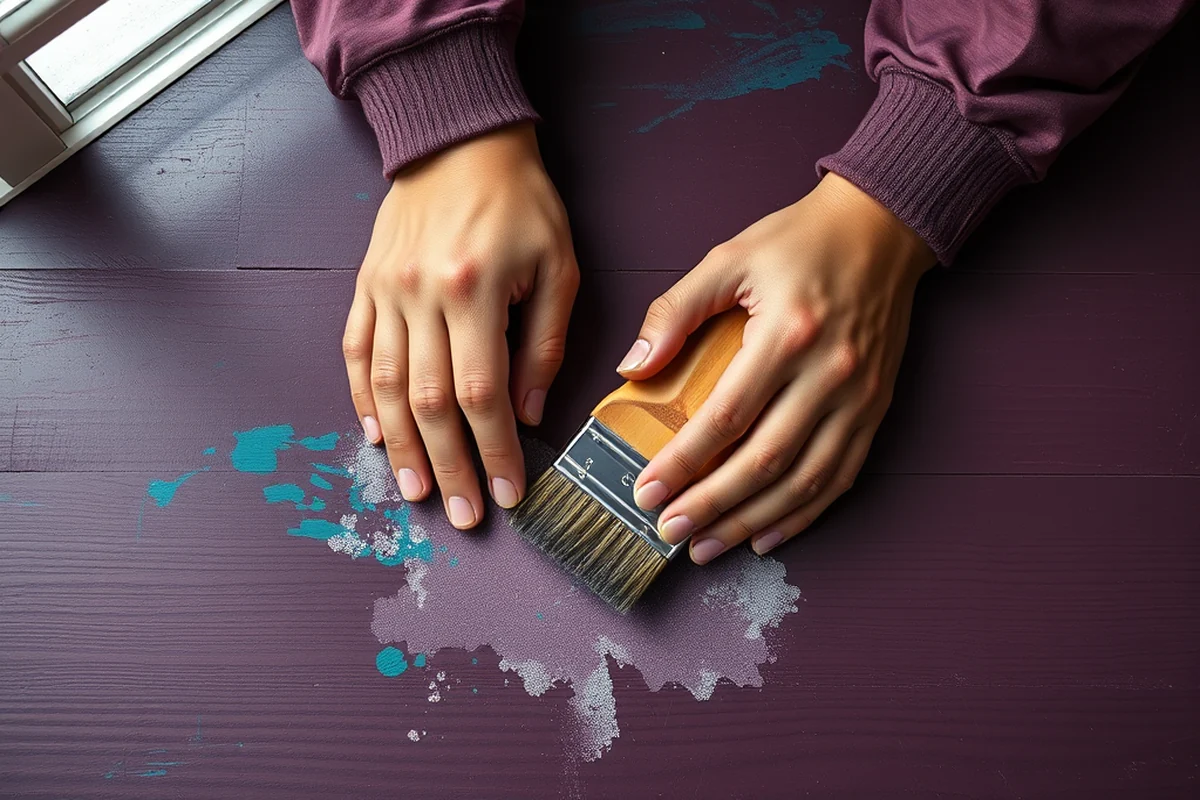
Before I even opened the paint can, I spent about 30 minutes cleaning and sanding my table. I used a degreaser and a damp cloth to remove any oils or stains from the surface. It’s important to have a clean, dry surface — otherwise, the paint won’t stick properly.
After cleaning, I sanded the laminate with 220-grit sandpaper. This step is crucial because laminate is very smooth, and without sanding, the paint will peel off in no time. I used a small sanding block to get into the corners and edges of my table.[1]
Once I was done sanding, I wiped the surface with a tack cloth to remove any dust. I also applied a primer designed for laminate surfaces. This primer made the paint adhere better and gave me a smoother finish.
A clean surface is half the battle — the other half is the right primer.
Related: Affordable painting laminate furniture budget
Choosing the Right Paint and Finish
I used a water-based primer and a semi-gloss acrylic paint. The semi-gloss finish was a good choice because it’s easy to clean and doesn’t show fingerprints as much as matte finishes. I painted my bookshelf with a light gray, and it really brightened up the room.
I found that using a paint with a high-quality finish, like a satin or semi-gloss, was better than a flat finish. Flat paint is more prone to chipping and doesn’t reflect light well, which can make the furniture look dull. I painted two coats of paint, and the difference was noticeable.
I also used a small paint roller with a foam cover for large, flat surfaces and a 3-inch angle brush for the edges. This combination made the job faster and more efficient than I expected.
I used a semi-gloss acrylic paint and was amazed by how durable it was. It held up to spills and scratches better than I expected, even after a few months of use.
“I remember the day I decided to paint my wobbly old dining table — it was a hot Saturday in July, and the smell of…”— Laminatelove editors
Related: Budget painting laminate furniture budget
Painting Techniques for Small Spaces and Tight Corners
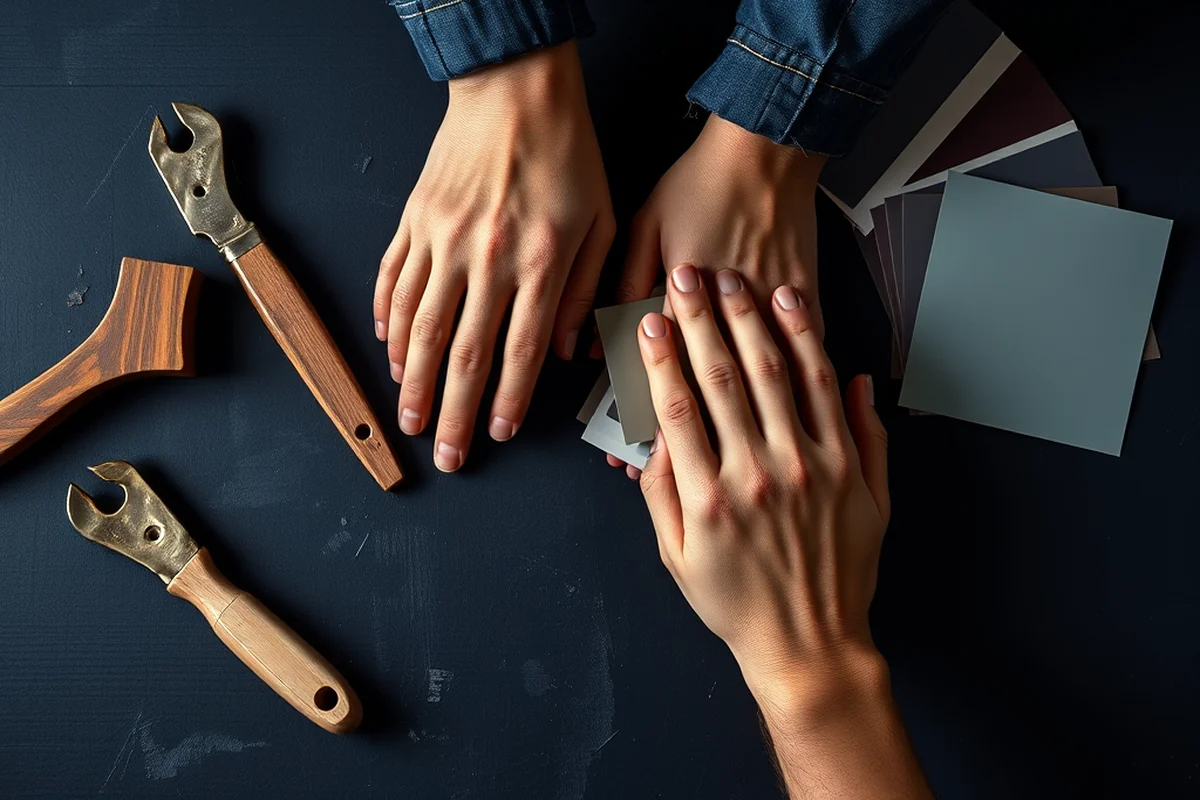
Painting in small spaces can be tricky, especially if your furniture has tight corners or edges. I found that using a small brush and painting in a circular motion helped me cover the edges without leaving drips or streaks.
I also made sure to work in small sections, painting one part at a time before moving on to the next. This helped me avoid getting paint on the floor or on other furniture nearby. I used masking tape to protect the edges and keep the paint from bleeding over.
One thing I learned is that patience is key. I painted two coats of paint, letting each coat dry completely before applying the next. This made the finish look smoother and more professional than I had anticipated.
Related: Budget painting laminate furniture ideas
Finishing Touches and Long-Term Care
After the paint was dry, I applied a clear topcoat to protect the surface. I used a water-based polyurethane varnish, which is safe for indoor use and doesn’t yellow over time. This step made the table much more durable and easier to clean.
I let the varnish dry for about 24 hours before using the table again. It was worth the wait — the finish was smooth, and the table didn’t show any signs of wear even after a few weeks of use.
Over time, I’ve noticed that the painted surface holds up well, especially with the right care. I avoid using harsh cleaners and wipe up spills quickly. This has helped me keep the table looking fresh and new for months.
💰 Budget Build
Paint your furniture with a minimal investment using low-cost paints and simple tools.
⏰ Weekend Version
Complete the project in a few hours with a focused plan and easy-to-follow steps.
✨ Upgraded Finish
Enhance your project with a high-quality finish and more durable materials for long-term use.
🏠 Small-Space Adaptation
Tailor your paint job to fit tight corners and limited square footage with smart techniques.
🔒 Rental-Safe Option
Use removable paint or temporary solutions so you can leave your space as you found it.
| The mistake | Why it happens | The fix |
|---|---|---|
| Skipping the cleaning step | If you skip cleaning the surface, the paint won’t adhere properly and will eventually peel. | Always clean the surface with a degreaser before painting. |
| Using the wrong type of paint | Using flat paint instead of semi-gloss can make the surface look dull and less durable. | Choose a semi-gloss or satin finish for better results and longevity. |
| Not sanding the surface | Laminate is very smooth, and without sanding, the paint will not stick well and will chip easily. | Always sand the surface with 220-grit sandpaper before painting. |
| Applying too much paint at once | Applying too much paint in one coat can cause drips and an uneven finish. | Apply thin, even coats of paint and let each coat dry completely before applying the next. |
Related: Best painting laminate furniture budget
Painting Laminate Furniture Budget For Small Spaces
Related: Simple budget painting laminate furniture
Maximizing Space with Multi-Functional Paint Colors
In small spaces, using paint colors that serve multiple purposes is crucial. I once painted a side table in a soft sage green that not only matched the room’s existing decor but also made the space feel larger by reflecting light. Choosing colors with low saturation and high light reflectance, like 85% light reflectance values, can make a room feel more open and airy. This is especially effective on furniture that sits against walls or in corners where light tends to be dim.
I tested a few paint samples in my own 10x10 foot room and found that warm grays with a slight blue undertone absorbed less light and made the space feel cozier. On the other hand, cool whites with a yellow undertone made the furniture stand out more but also felt less cramped. It’s all about balancing visibility and space perception. When painting laminate furniture, I always test at least three colors on a small area first to see how they interact with the room’s lighting and decor.
The key is to choose colors that complement your room’s existing palette and enhance, rather than compete with, the space. I’ve used semi-gloss paint on my kitchen cabinets in a soft beige tone, which not only looks elegant but also makes the kitchen feel more open by reflecting light off the glossy surface. For a small room, the right color can transform the space without needing expensive renovations or major changes.
Upcycling Old Furniture with Paint for a Budget-Friendly Makeover
Upcycling old furniture with paint is one of the most budget-friendly ways to give your small space a fresh look. I recently took an old dining table I found at a thrift store and painted it in a rich navy blue. The cost was under $20 for paint and supplies, and the result was a stunning piece that became the focal point of my dining room. This approach not only saves money but also gives new life to furniture that might otherwise be discarded.
When upcycling, I always start by cleaning and sanding the furniture thoroughly to ensure the paint adheres well. I used a fine-grit sandpaper and wiped down the surface with a degreaser before painting. For my dining table, I used two coats of primer and three coats of paint, which took about 4 hours in total. The key is to be patient and not rush the process, as proper preparation makes all the difference in the final look.
I’ve found that using a budget-friendly paint like Sherwin-Williams’ Duration Home paint gives excellent coverage and durability, especially for high-traffic areas. For a small space, repurposing old furniture with paint is not only cost-effective but also environmentally friendly. It’s a win-win for both your wallet and your home’s aesthetics.
Common Questions
Can I paint over a laminate surface without sanding?
What type of paint is best for painting over laminate?
How long does the paint last on laminate furniture?
Can I do this project in a small apartment?
References
- A Field Guide for Painting, Home Maintenance, & Renovation Work (archive.epa.gov)
Cite this guide
Laminatelove (2026). Painting Laminate Furniture Budget For Small Spaces. https://laminatelove.com/painting-laminate-furniture-budget-for-small-spaces/
Feel free to cite or share this guide.