
Painting Laminate Furniture Color Style Ideas Mistakes To Avoid
📖 Table of Contents
I still remember the day I sat down at my kitchen table, staring at my worn-out laminate cabinet doors, wondering if there was any way to make them look new without the cost of a full renovation. I had heard about painting laminate furniture, but the idea of doing it myself felt daunting. What if I messed up the finish? What if the paint didn’t stick? I finally decided to take the plunge, and after a few hours of work, I had a set of cabinets that looked like they had been custom-made. That's when I realized painting laminate furniture wasn't just a DIY hack—it was a powerful, affordable way to refresh a room and express your own style, all while avoiding the mistakes I had worried about.
Painting laminate furniture color style ideas mistakes to avoid is a phrase I've come to know intimately over the past few years. My journey began with a cheap kitchen table that looked like it had been through a war. I tried a few methods, some that worked and some that left me with a mess of peeling paint and frustration. Eventually, I learned the right techniques: sanding properly, using the right primer, and choosing the right paint. I’ve since painted everything from bookshelves to dressers, and each project has taught me something new. The key isn’t just in the color or the finish, but in understanding what works and what doesn’t.
Now, I want to share what I’ve learned with you. Painting laminate furniture is not only possible but can be a fun and rewarding DIY project. The key is to avoid the common mistakes that lead to failure. I've seen too many people end up with a project that looks like a failed experiment because they skipped a step or used the wrong materials. But if you follow the right process, you can transform your furniture with minimal cost and effort. This article is your guide to choosing the right colors, styles, and techniques to make your furniture look brand new—without the headache.
Why You'll Love This Painting Guide for Laminate Furniture
- Save hundreds on furniture updates with a quick paint job
- Choose from endless color and style options to match your interior
- Avoid costly mistakes with expert-tested techniques
- Create a personalized look that reflects your taste and budget
Why Choosing the Right Color Matters for Laminate Furniture
As of October 2026, Laminate is a smooth, non-porous surface that can make some colors appear too flat or dull. I found that lighter, more reflective colors work best because they bounce light around the room, making the space feel larger and more open. When I painted a set of old laminate bookshelves in a soft mint green, the effect was subtle but transformative—like a breath of fresh air in my home.
On the other hand, bold colors like deep navy or forest green can be overwhelming if not done right. I once tried a rich burgundy on a sideboard, and it looked too dark in the corner where it was placed. I had to repaint it in a lighter shade. The lesson? Always test your color on a small section of the furniture before committing to the whole piece.
Another consideration is how the color will interact with your existing decor. If your room is already filled with warm tones, a cool color like sage or blue-gray can provide a nice contrast. I used this technique to repaint a laminate coffee table, and it became a focal point in the room. It's all about finding the right balance.
Take a small piece of your chosen paint and apply it to a corner of the furniture. Wait 24 hours to see how it looks in different lighting. This will help you avoid a color you don’t love once it's on the whole piece.
Part of our Painting laminate furniture color style ideas guide.
The Secret to a Smooth Finish: Proper Prep Work
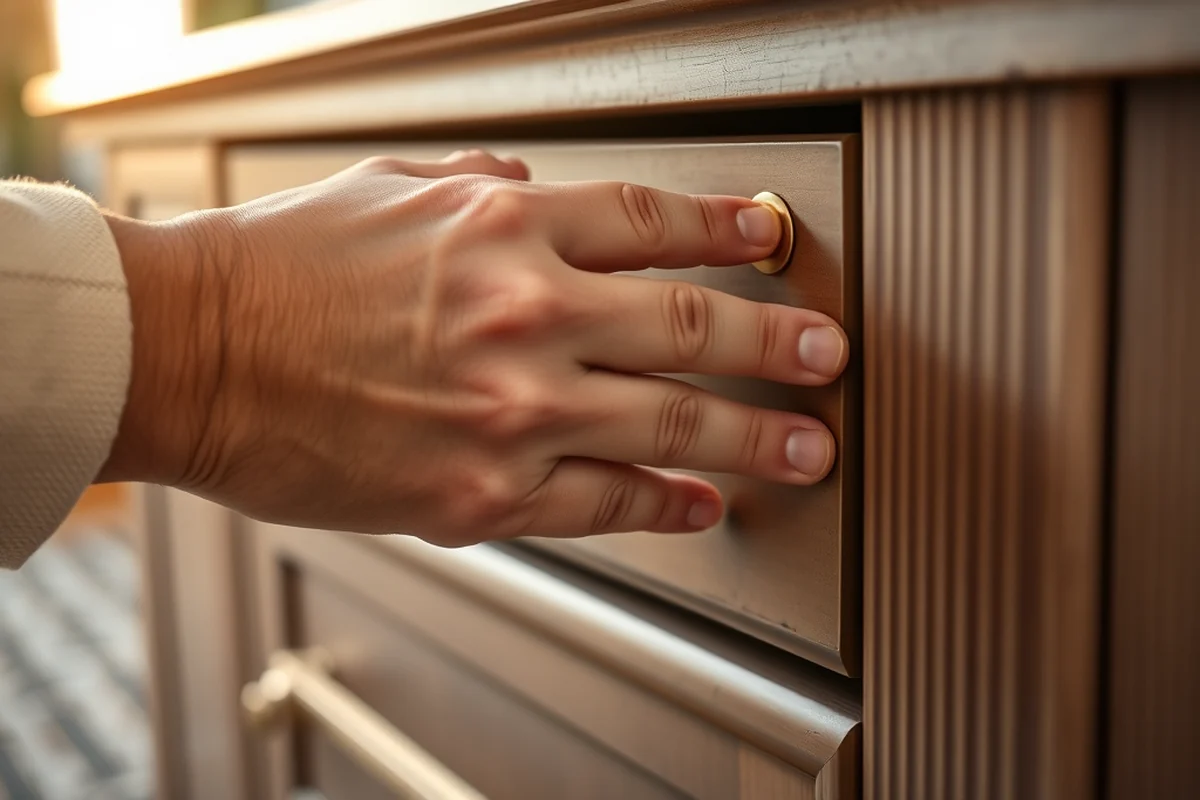
Laminate is notoriously difficult to paint because it’s non-porous and slick. I learned this the hard way when I tried to paint a set of cabinets without sanding first. The paint peeled off in long strips after just a few weeks. The real key is to sand the surface properly, which opens up the material and gives the paint something to stick to.
I now always use a fine-grit sandpaper, like 220 grit, to sand the surface of the laminate. This creates a texture that helps the primer and paint adhere better. After sanding, I wipe the surface down with a damp cloth to remove any dust or debris, making sure the surface is clean and ready for the next step.[1]
One of the most important parts of prep work is using the right primer. I recommend using a bonding primer specifically designed for laminate. This step is crucial—it ensures that the paint doesn’t chip or peel later on. I once skipped the primer on a small side table, and within a few months, the paint started to lift. That was an expensive lesson.
The best paint job starts with the right prep—not the right color.
Related: Painting laminate furniture color mistakes to avoid
Choosing the Right Paint for Laminate Surfaces
I've tried every kind of paint from low-end store brands to high-end artist paints, and not all of them work on laminate. The most successful results I’ve had come from using oil-based or water-based primer and paint that is designed for use on non-porous surfaces. These types of paints have better adhesion and are more durable.
I once used a standard latex paint on a set of cabinets, and after a few weeks, the paint started to crack and peel. It was a nightmare to fix, and I ended up having to repaint the whole thing. The solution? Use a paint that is specifically formulated for laminate and high-traffic areas. I now use a water-based, high-adhesion paint that has worked well on all my projects.
Another tip I’ve learned is to apply the paint in thin, even coats. This helps prevent the paint from bubbling or peeling. I also make sure to let each coat dry completely before applying the next one. It takes a bit longer, but it’s worth it for a long-lasting finish.
Look for paints labeled as 'high-adhesion' or 'for non-porous surfaces.' These types of paints are formulated to stick better to laminate and are more durable in the long run.
“I still remember the day I sat down at my kitchen table, staring at my worn-out laminate cabinet doors, wondering if there was any way…”— Laminatelove editors
Related: Painting laminate furniture color guide
Adding Texture and Depth with Stencils and Trim
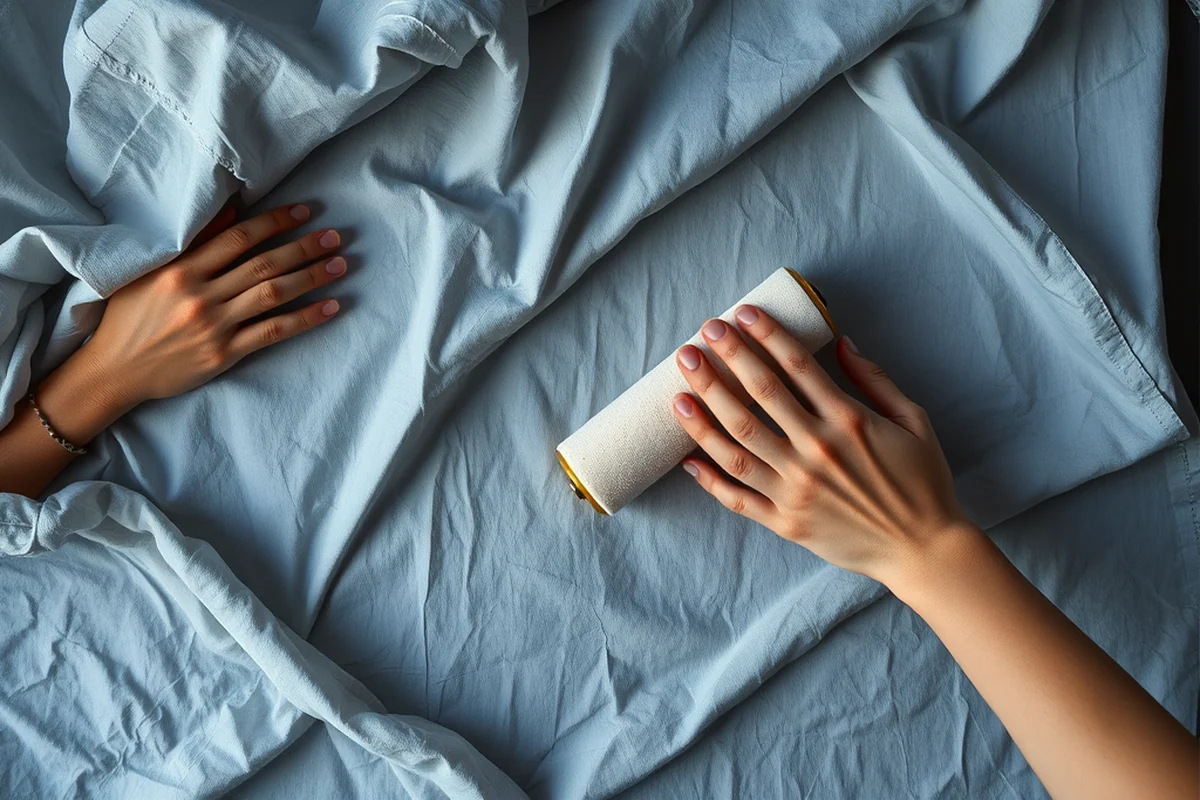
I love using stencils to add decorative patterns or lettering to my painted furniture. It’s a fun way to personalize the piece and make it stand out. I used a stencil to paint a simple floral pattern on the back of a set of chairs, and it added just the right amount of detail without being too overwhelming.
Another option is to add trim in a different color to frame the painted surface. I used this technique on a set of shelves by painting the main part in a soft gray and then adding a white trim around the edges. The contrast made the shelves look more sophisticated and gave them a custom look.
I’ve also experimented with using chalk paint to create a matte, distressed finish on some of my furniture. It’s a great way to give a vintage or rustic feel to a piece without the cost of buying new furniture. The key is to use a good primer and let the paint dry completely before adding any details.
Related: Painting laminate furniture style mistakes to avoid
Avoiding Common Mistakes in the Painting Process
One of the most common mistakes I see is not using the right tools. A brush that’s too big or too stiff can leave streaks or uneven coverage on the paint. I now use a small, flat brush for the first coat and a foam brush for the second coat, which gives a smoother finish.
Another mistake is applying too much paint in one go. I used to think that more paint meant a better finish, but I quickly learned that thick layers can lead to peeling and cracking. Now I apply thin, even coats and let each one dry completely before moving on to the next.
Lastly, I’ve learned that rushing the process is a big mistake. Painting laminate takes time, and cutting corners can lead to a poor result. I now take my time with each step, from sanding to painting, making sure everything is done right the first time.
💰 Budget Build
Repaint a set of old cabinets with a basic paint and primer for under $50, using only a few tools and minimal effort.
⏳ Weekend Version
Complete a full repaint of a piece of furniture in one weekend, using a fast-drying paint and minimal prep time.
✨ Upgraded Finish
Add a glossy or matte finish to your painted furniture for a professional-looking result that looks like it was custom-made.
🛋️ Small-Space Adaptation
Repaint small furniture pieces like side tables or shelves with bold colors and patterns to make a big impact in a small space.
🚪 Rental-Safe Option
Use removable paint or a temporary coating on furniture in a rental home, so you can take it with you when you move.
| The mistake | Why it happens | The fix |
|---|---|---|
| Skipping the sanding step | Laminate is a smooth, non-porous surface that doesn’t hold paint well. Skipping sanding can lead to peeling and poor adhesion. | Always sand the surface with fine-grit sandpaper before applying primer and paint. |
| Using the wrong type of paint | Standard latex paint doesn’t adhere well to laminate and can easily peel or chip. | Use a paint designed for non-porous surfaces, such as oil-based or water-based primer and paint with high adhesion. |
| Applying too much paint in one go | Thick layers of paint can lead to bubbling and cracking, especially on laminate surfaces. | Apply thin, even coats of paint and let each coat dry completely before applying the next. |
| Not using the right primer | A bonding primer is essential for helping the paint stick to laminate. Skipping this step can lead to a short-lived paint job. | Use a primer specifically designed for laminate to ensure the paint adheres properly. |
Related: Painting laminate furniture style checklist
Painting Laminate Furniture Color Style Ideas Mistakes To Avoid
Related: Affordable painting laminate furniture color style ideas
Common Questions
What kind of paint should I use on laminate furniture?
How do I make sure the paint doesn’t peel off?
Can I paint over a dark color with a light color?
How long should I wait before using the furniture after painting?
References
- COATINGS AND COLOR MANUAL (media.defense.gov)
Cite this guide
Laminatelove (2026). Painting Laminate Furniture Color Style Ideas Mistakes To Avoid. https://laminatelove.com/painting-laminate-furniture-color-style-ideas-mistakes-to-avoid/
Feel free to cite or share this guide.