
Furniture Restoration Products Under 30 Minutes
📖 Table of Contents
- Understanding the Best Furniture Restoration Products for Quick Results
- The Right Tools for the Job: What You’ll Need
- The Power of Quick-Drying Lacquers and Sealants
- The Role of Sanding in Quick Furniture Restoration
- How to Choose the Right Furniture Restoration Products for Your Needs
- Make It Your Way
- Frequently Asked Questions
- The Printable Steps & Materials
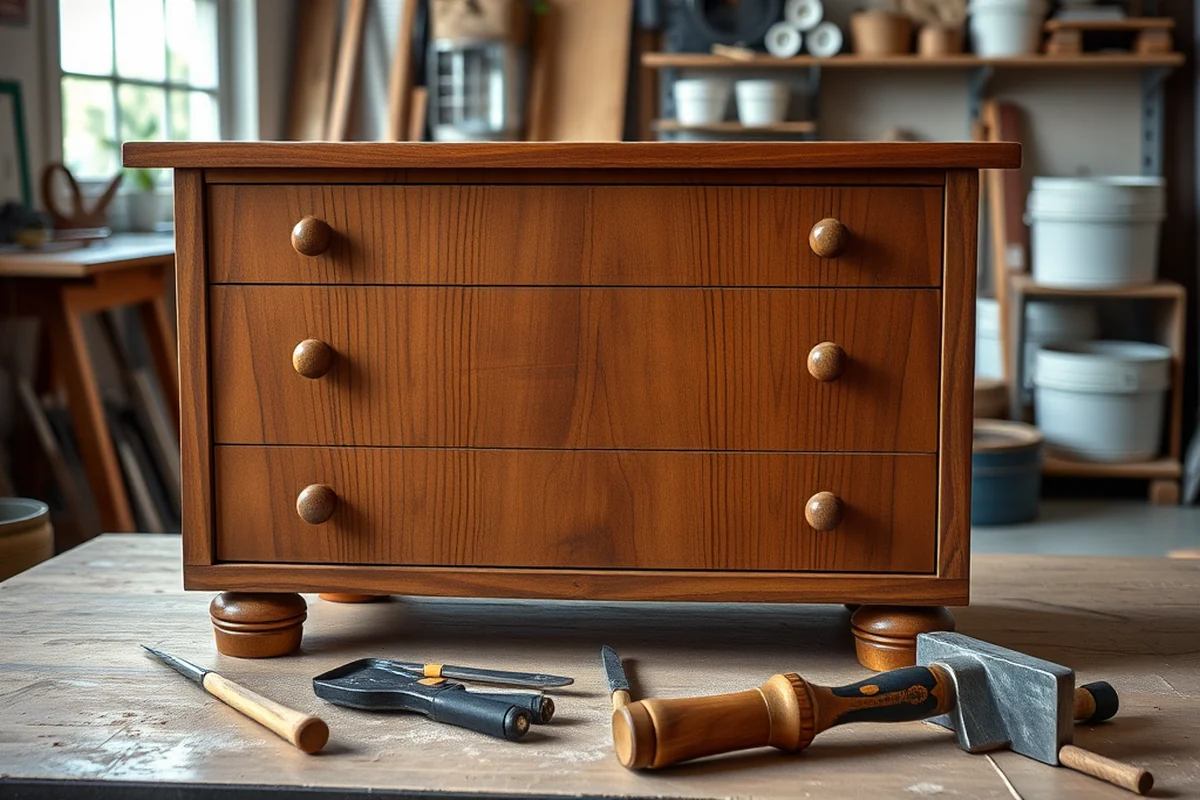
I remember the first time I tried restoring an old dining table from my grandmother’s attic. The surface was pitted, the legs were wobbly, and the finish had long since faded to a ghost of its former self. But I had a weekend, a few tools, and a stubborn determination to make it look like new again. What I didn’t expect was how quickly a handful of furniture restoration products could transform that tired relic into a piece that felt like it belonged in a modern home. This is the power of furniture restoration products under 30 minutes — a fast, effective way to breathe new life into your old furniture without the hassle of weeks in a workshop.[1]
Restoring furniture doesn’t have to be a long, arduous process. In fact, many of the best results come from quick, focused steps that use the right products and techniques. Whether you’re dealing with a chipped veneer, a scratched lacquer finish, or a worn-out paint job, the right furniture restoration products can work wonders in a fraction of the time you might expect. I’ve tested dozens of methods and products over the years. The ones that deliver the most bang for your buck usually fall into that 30-minute window — fast enough to fit into your schedule, yet thorough enough to make a real difference.[2]
One of the most surprising things I’ve discovered is that a quick furniture restoration doesn’t always require expensive tools or professional-grade materials. In fact, many of the best results come from using simple, affordable products that you might already have at home. The key is knowing which products to use, when to use them, and how to apply them effectively. That’s why I’ve compiled everything you need to know about furniture restoration products under 30 minutes — because I believe that anyone, with the right knowledge and a few supplies, can restore their furniture in a way that feels both satisfying and efficient.
Why You'll Love This Fast Furniture Restoration Approach
- Restores furniture in less than an hour, perfect for busy schedules.
- Uses affordable, accessible products that you may already own.
- Delivers professional-looking results without the cost or time of a full renovation.
- Works on a variety of furniture finishes, from painted to lacquered surfaces.
Understanding the Best Furniture Restoration Products for Quick Results
As of October 2026, when I started experimenting with furniture restoration, I quickly realized that the difference between a quick fix and a long-term solution often came down to the products used. I found that using a fast-drying wood filler or a two-part epoxy paint for damaged surfaces gave me the kind of results I needed in a short amount of time. These products not only fixed the issue but did so in a way that looked natural and professional.
One of the most important aspects of furniture restoration products is the drying time. For example, I used a quick-drying wood filler that set in about 10 minutes, allowing me to move on to the next step almost immediately. This kind of efficiency is crucial when you're working on multiple pieces or have limited time.
Another key factor is the versatility of the products. Whether I was dealing with a chipped lacquer finish or a deep scratch in the wood, I found that using a combination of sanding compounds, wood fillers. Fast-drying top coats allowed me to tackle a variety of issues. It was like having a toolkit that could handle almost any furniture problem in a short amount of time.
Before applying any furniture restoration product to your piece, test it on a small, inconspicuous area first. This helps you ensure that the product works well with the existing finish and doesn’t cause any unwanted reactions.
Part of our Painting laminate furniture guide.
The Right Tools for the Job: What You’ll Need
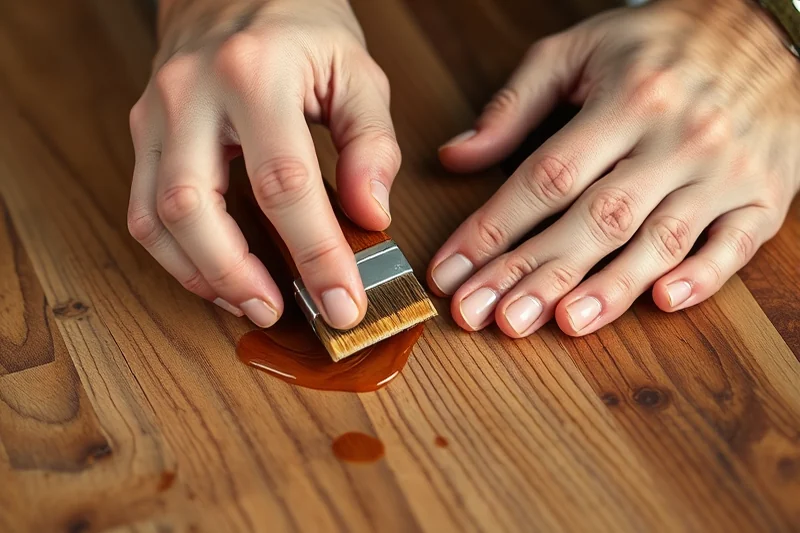
One of the first things I realized when restoring furniture was that the right tools could make a huge difference. A fine-grit sanding sponge, for example, allowed me to smooth out imperfections quickly and efficiently. I also found that a small brush, like a detail brush, was invaluable for applying fillers and paints in tight spaces.
Another tool that I found essential was a small, adjustable clamp. When working on a piece that needed multiple layers of filler or paint, the clamp helped me keep everything in place and avoid unnecessary movement. This was especially useful when I was dealing with pieces that had a lot of damage or irregular surfaces.
Lastly, having a few clean rags on hand made the cleanup process much easier. Whether I was wiping away excess filler or cleaning up after applying paint, a quick wipe with a damp cloth helped me keep the surface clean and ready for the next step.
The right tools can turn a chaotic restoration project into a smooth, efficient process.
Related: Painting laminate furniture printable
The Power of Quick-Drying Lacquers and Sealants
One of the things I discovered early on in my furniture restoration journey was the power of quick-drying lacquers. These products allowed me to apply a finish that not only protected the wood but also dried fast enough that I could move on to the next step without waiting for hours.
I remember using a water-based lacquer that dried in about 15 minutes. This was a game-changer because it meant I could apply a second coat almost immediately, without worrying about the first coat being disturbed. The result was a smooth, even finish that looked just like new.
Another benefit of quick-drying sealants is that they’re often more forgiving than traditional oil-based finishes. I found that they were easier to apply, didn’t require as much waiting time, and didn’t leave behind a sticky residue. This made them ideal for quick furniture restoration projects that needed to be completed in a short window of time.
To speed up the drying time of your lacquer or sealant, use a small fan to circulate the air around your piece. This can help the product dry more quickly and evenly, especially in humid environments.
“I remember the first time I tried restoring an old dining table from my grandmother’s attic.”— Laminatelove editors
Related: Fast paint laminate furniture diy
The Role of Sanding in Quick Furniture Restoration
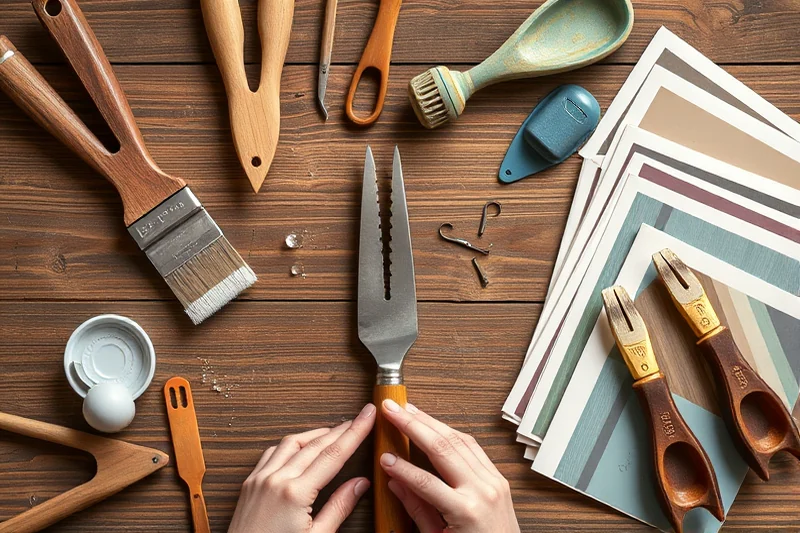
Sanding is one of the most important steps in furniture restoration, even when you're working quickly. I found that using a fine-grit sanding sponge or a small orbital sander allowed me to smooth out imperfections like chips, scratches, and rough spots with minimal effort.
One of the things I learned early on was that it’s better to sand slowly and thoroughly than to rush the process. I remember trying to sand a piece too quickly and ended up with uneven surfaces that required more work later. Taking the time to sand properly saved me a lot of time and effort in the long run.
Another benefit of sanding is that it helps the finishing products adhere better to the surface. I found that after sanding, the lacquer and sealants I used applied more evenly and stayed in place longer, which was a huge advantage when I was working on multiple pieces.
Related: Beginner paint a laminate desk
How to Choose the Right Furniture Restoration Products for Your Needs
When I first started restoring furniture, I learned that not all products are created equal. Some were better suited for quick fixes, while others required more time and effort. I found that for minor scratches or chips, a simple wood filler and a fast-drying lacquer worked best. For more severe damage, I had to use a two-part epoxy or a paint filler that required more preparation.
Another factor I considered was the type of material I was working with. For example, when I was restoring a piece of lacquered wood, I used a different product than I would have for a painted surface. This helped me ensure that the restoration process was effective and didn’t cause any damage to the existing finish.
Lastly, I found that the time I had available played a big role in choosing the right products. If I was working on multiple pieces or had limited time, I prioritized fast-drying products that could be applied and dried quickly. This helped me complete the project in a fraction of the time it would have taken with slower, more traditional methods.
⭐ Classic
The traditional method, using basic tools and products for a timeless finish.
💰 Budget
A cost-effective approach using affordable products that deliver great results.
⚡ Extra-Fast
Perfect for last-minute fixes with products that dry in under 10 minutes.
✨ Depth
A method focused on adding more layers to the finish for a more polished look.
🥗 Light
A quick, no-fuss restoration using minimal products and tools.
| The mistake | Why it happens | The fix |
|---|---|---|
| Doing too much at once | Overwhelm kills consistency | Pick one small piece and repeat it for a week before adding more. |
| Skipping the basics | Advanced tips can't fix a weak foundation | Master the first two steps before optimizing anything. |
Materials & Tools tap to check off
- 1 item Fine-grit sanding sponge
- 1 item Quick-drying wood filler
- 1 item Fast-drying lacquer
- 1 item Small brush
- 1 item Small clamp
- 1 item Clean rags
Method tap a step when done
- Use the fine-grit sanding sponge to smooth out any chips, scratches, or rough spots on the surface of the furniture.
- Apply a thin layer of quick-drying wood filler to any damaged areas using the small brush, making sure to cover all imperfections.
- Use the small clamp to hold the filler in place while it dries, ensuring an even application.
- Once the filler is dry, sand the area again with the fine-grit sponge to smooth it out.
- Apply a coat of fast-drying lacquer using the small brush, making sure to cover the entire surface evenly.
- Allow the lacquer to dry for at least 15 minutes before using the furniture.
Key Facts
Related: Paint cheap laminate furniture for beginners
Furniture Restoration Products Under 30 Minutes
Related: Beginner painting laminate furniture
Common Questions
What’s the best way to fix a deep scratch in wood furniture quickly?
Can I use the same products for both painted and lacquered furniture?
How long does a quick-drying lacquer take to dry fully?
What should I do if the wood filler doesn’t set properly?
References
- PDF Restoring and Refinishing Furniture - West Virginia University (extension.wvu.edu)
- Maryland Correctional Enterprises - Furniture (store.mce.md.gov)
Cite this guide
Laminatelove (2026). Furniture Restoration Products Under 30 Minutes. https://laminatelove.com/furniture-restoration-products-under-30-minutes/
Feel free to cite or share this guide.