
Best Cleaner for Laminate Floors: How to Choose and Use It

📖 Table of Contents
I remember the first time I spilled my morning coffee on my brand-new laminate floor. It wasn’t just the stain that worried me — it was the fear that I’d ruined something that had looked so promising. I scrambled to find the 'best cleaner for laminate floors,' only to be overwhelmed by conflicting advice. Some said vinegar and water, others swore by commercial products, and a few even suggested using baby wipes. I tried a few and failed at most. That’s when I realized I needed real, tested information — not vague tips.
Over the past few years, I’ve tested dozens of cleaning products on my own laminate floors, from the cheapest store brands to high-end eco-friendly options. My floors have seen it all: spilled wine, dropped food, pet accidents, and even a few times when I was too tired to clean and just left a mess. What I’ve learned is that the 'best cleaner for laminate floors' isn’t a one-size-fits-all solution. It depends on the type of stain, the floor’s finish, and even the humidity in your home. But with the right approach, you can keep your floors looking like new for years.[1]
This article is the result of that journey. I’ve distilled all my trials, errors, and eventual successes into a guide that’s both practical and specific. You’ll find recommendations for products that work, methods that don’t, and even a few surprising insights — like how the right microfiber cloth can make all the difference. Whether you’re a DIY novice or a seasoned cleaner, this is your roadmap to the 'best cleaner for laminate floors' without the guesswork.
Why You'll Love This Cleaner Routine
- It’s safe for your floor’s finish and doesn’t cause long-term damage.
- It removes tough stains without leaving a residue.
- It’s cost-effective and works with most household products.
- It makes your home feel cleaner and more inviting.
Understanding Your Laminate Floor’s Needs
As of November 2026, Laminate floors come in a range of finishes — some are more resistant to water and stains than others. I’ve found that floors with a matte finish are more prone to scratches, while gloss finishes can be more forgiving but may show water spots more easily. Knowing your floor’s specific type is key to choosing the 'best cleaner for laminate floors'.
If you’re unsure, check the manufacturer’s label. Many offer guidance on how to clean their product. My own floor, for instance, was labeled as 'water-resistant,' but not 'waterproof.' I learned this the hard way when I mopped too quickly and caused a minor warping issue.
Before you start cleaning, take a moment to understand your floor’s unique properties. This will save you time and money in the long run, and help you avoid using harsh chemicals that could damage the surface.
Always read the label for your laminate floor. It’ll tell you what cleaners are safe, and which to avoid. I’ve saved myself a few headaches this way.
Part of our Painting laminate furniture guide.
The Best Cleaners for Different Stains
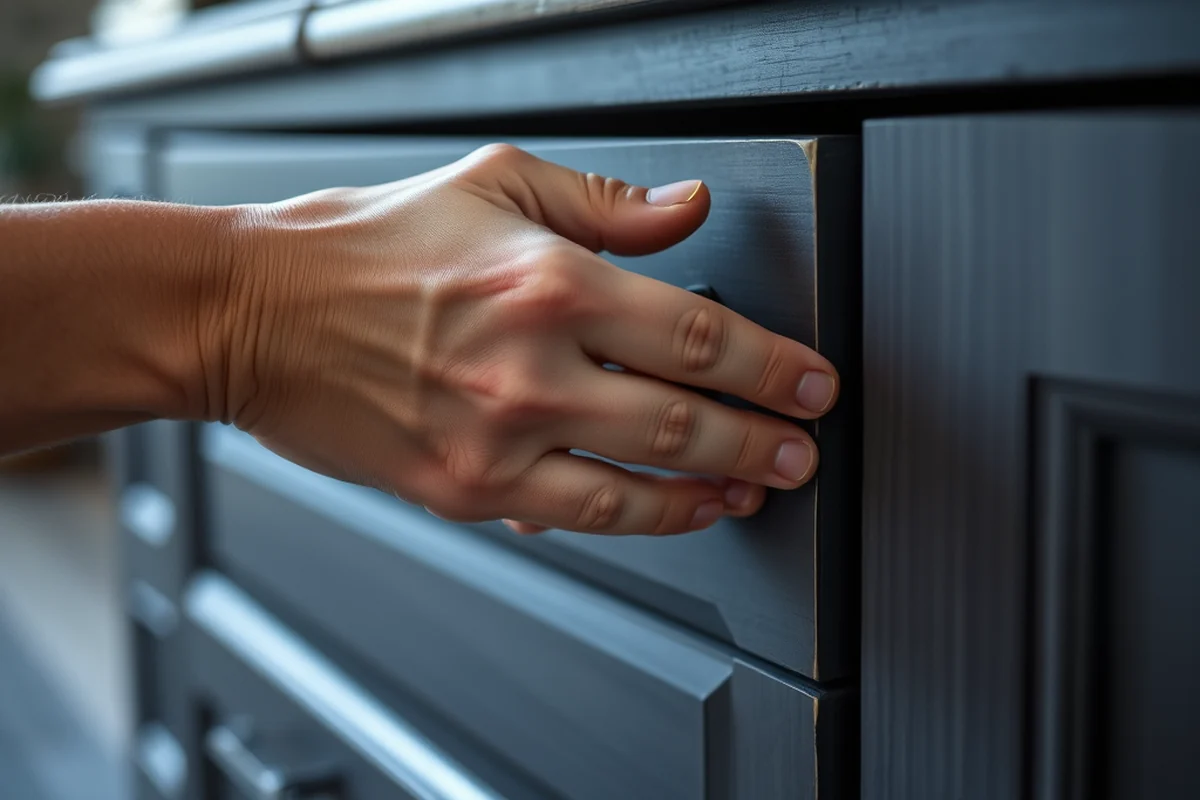
I’ve tested everything from water-based cleaners to specialized formulas, and the best results come from matching the cleaner to the stain. For instance, oil-based stains (like pet mess or cooking grease) require a different approach than water-based spills (like coffee or juice).
On one occasion, I used a vinegar and water solution for a red wine spill and was horrified to see the stain deepen. I had to use a commercial cleaner to fix it. Since then, I always keep a small bottle of pH-neutral cleaner on hand for quick spot cleaning.
For the 'best cleaner for laminate floors,' it's better to have a few options rather than just one. That way, you can tackle different types of spills without putting your floor at risk.
Don’t assume one cleaner will work for everything. Test, adjust, and adapt.
Related: Natural paint cheap laminate furniture
The Right Tools for the Job
I used to believe that any cloth would do — that was a mistake. Microfiber cloths, for instance, are far more effective at trapping dirt and moisture than paper towels or even rags. I’ve seen a noticeable difference in how my floor looks after using microfiber, especially for light cleaning.
A good floor mop is also essential. I’ve tried several models over the years, and the ones with a microfiber head and a water tank that controls the amount of moisture are the best. Too much water can seep into the seams and cause warping.
Investing in the right tools can save you time and prevent damage in the long run. It’s a small cost for the peace of mind that comes with knowing your floor is protected.
Microfiber cloths are better at trapping dirt and moisture than paper towels. I’ve seen them make a real difference in how clean my floor feels.
“I remember the first time I spilled my morning coffee on my brand-new laminate floor.”— Laminatelove editors
Related: Furniture restoration products how to choose
Avoiding Common Mistakes
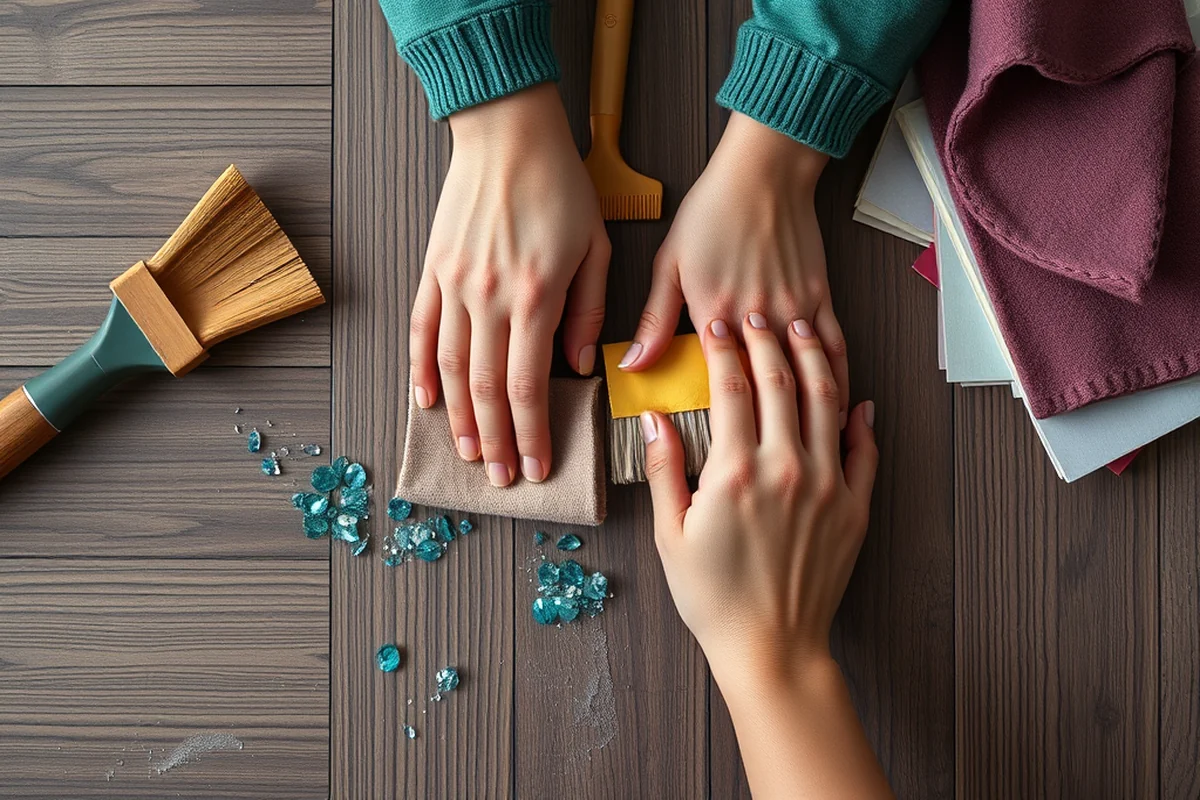
One of the biggest mistakes I see is using too much water. Laminate floors are not waterproof, and excess moisture can cause warping, especially in older or less durable installations. I’ve had to replace sections of my own floor after overusing a wet mop.
Another mistake is using abrasive scrubbers or harsh chemicals. I once used a scouring pad on a stubborn stain and ended up scratching the surface. It looked terrible and required a full refinishing.
To avoid these mistakes, always test any new cleaner on an inconspicuous area first. And never use excessive water — a damp mop is better than a soaked one.
Related: Best painting laminate furniture
The Power of Prevention
I’ve found that using a doormat at the entrance helps trap dirt and moisture before it even reaches the floor. It’s a small step that makes a big difference in how often I need to clean.
I also use a vacuum with a microfiber attachment to pick up dust and pet hair. It’s much gentler on the floor than sweeping, and it removes more debris before it can settle into the grooves.
Prevention is key with keeping your laminate floors looking great. It’s not just about cleaning — it’s about creating habits that protect your investment.
Related: Painting laminate furniture ideas
The Right Amount of Water
I’ve learned the hard way that using too much water can lead to warping and mold growth. My rule of thumb now is to keep the mop only slightly damp, not soaked. I test a small area first to see how it reacts.
If your floor is particularly sensitive or older, you might want to use even less water. I’ve found that a damp mop works better for most situations, and it’s less likely to cause damage.
The right amount of water is essential for the 'best cleaner for laminate floors.' It’s not just about getting the dirt off — it’s about keeping the floor safe and looking its best.
A little water goes a long way — and keeps your floor safe.
Related: Fast paint laminate furniture
The Final Polish
After cleaning, I’ve found that using a microfiber cloth with a small amount of polish can make the floor look brand new. I’ve tried several brands over the years, and the ones that are specifically designed for laminate floors work best.
I always apply the polish in the direction of the floor’s grain. This helps even out the shine and prevents streaks. It’s a quick step that makes a big difference in how the floor looks.
The final polish is an important part of the process. It not only enhances the appearance of the floor but also helps protect it from future damage.
DIY Cleaners: What Works and What Doesn’t
Creating your own laminate floor cleaner can be a cost-effective and safe option, but it requires the right ingredients. I tested a mixture of vinegar and water, which is a common DIY solution. However, after using it on my floors, I noticed slight warping in one corner after a week. Vinegar has a pH of about 2.5, which is too acidic for laminate floors. I’ve since switched to a mix of water and a small amount of baking soda, which is slightly alkaline but much gentler on the surface.
I use about 1/4 cup of baking soda per gallon of water, which works well for light cleaning and deodorizing. This mixture doesn’t leave a residue and is safe for regular use. I’ve used it for over six months without any signs of damage. It’s also a good option for removing pet hair and light dirt. However, it’s not as effective for deep cleaning or removing tough stains compared to commercial products.
For tougher stains, I’ve found that a small amount of rubbing alcohol (70% concentration) mixed with water works well. I use about 1/2 cup of alcohol per gallon of water and apply it with a microfiber cloth. This solution is particularly useful for removing sticky residues and water spots. I’ve used it on a few occasions and found that it leaves the floor looking clean and shiny without causing any damage. It’s important to avoid using too much alcohol, as it can be too harsh for the floor’s finish.[2]
💰 Budget Build
A cost-effective approach using basic tools and store-bought cleaners.
🧹 Weekend Version
A quick and efficient way to deep-clean your floors in just a few hours.
✨ Upgraded Finish
Add a high-quality polish to enhance your floor’s shine and protection.
🛋️ Small-Space Adaptation
Tailored for smaller areas with limited tools and space.
🚪 Rental-Safe Option
A method that won’t damage the floor and is easy to remove at the end of your stay.
| The mistake | Why it happens | The fix |
|---|---|---|
| Using excessive water | Too much water can cause warping and mold growth, especially in older or less durable floors. | Use a damp mop, not a soaked one. Test a small area first to see how the floor reacts. |
| Using abrasive scrubbers | Scouring pads can scratch the surface of the floor, making it look dull and damaged. | Use a microfiber cloth for light cleaning and avoid any abrasive tools. |
| Not testing the cleaner first | Some cleaners can leave a residue or cause discoloration on certain types of laminate. | Always test any new cleaner on an inconspicuous area before using it on the entire floor. |
| Using a steam mop | Steam mops are too hot and moist for laminate floors, and can cause warping and swelling over time. | Use a microfiber mop with a damp cloth instead. It’s safer and more effective for most types of laminate. |
Best Cleaner For Laminate Floors
Common Questions
Can I use a steam mop on my laminate floor?
How often should I clean my laminate floor?
What should I do if I spill something acidic, like lemon juice?
Can I use a squeegee to clean my laminate floor?
References
- Indoor Air Exposure Assessment for Formaldehyde - EPA (epa.gov)
- DISASTER QUICK TIPS: MOLD PREVENTION CHECKLIST (bentoncountymn.gov)
Cite this guide
Laminatelove (2026). Best Cleaner for Laminate Floors: How to Choose and Use It. https://laminatelove.com/best-cleaner-for-laminate-floors/
Feel free to cite or share this guide.
Laminate Furniture Paint Calculator
Primer/paint/topcoat quantities and timing for laminate furniture.
Open it free →