
Budget Painting Laminate Furniture Guide
📖 Table of Contents
I still remember the day I decided to paint my old, scratched-up laminate kitchen table. It was a hot summer afternoon, and I had just finished cleaning out my garage. The table, with its faded green finish and dents from years of use, looked like it belonged in a landfill. But I knew it had potential — and more importantly, I knew I could do it on a budget. This was my first foray into DIY furniture painting, and I was determined to make it work without breaking the bank.
What I discovered during that process — and the countless hours I spent researching, experimenting, and even failing a few times — became the foundation of this guide. Painting laminate furniture is not as simple as slapping on a coat of paint and calling it a day. There are specific steps, tools, and materials that make all the difference between a project that lasts years and one that peels off within weeks. The key is preparation, and that’s where the real magic happens.
Over the years, I’ve refined my method and tested various techniques on different types of laminate surfaces. Whether it’s a table, a cabinet, or even a piece of furniture from a thrift store, the process can be tailored to your budget and time. This guide is for anyone who wants to give their old laminate furniture a fresh, new look — without the expense of buying brand-new pieces. Let’s dive in and turn that tired piece of furniture into something you’ll be proud of.
Why You'll Love This Budget Painting Laminate Furniture Guide
- Transform your old furniture without spending a fortune.
- Achieve a professional-looking finish with simple, affordable materials.
- Save time and effort with step-by-step instructions.
- Customize your furniture to match your home decor.
Why Preparation is the Most Important Step
As of October 2026, Laminate furniture is not like wood — it’s a smooth, non-porous surface that can be tricky to paint. If you skip this step, your paint is likely to peel or chip within weeks. I learned this the hard way when my first coat of paint cracked after only a few days.
The first thing to do is sand the surface with 120-grit sandpaper. This creates a tiny texture that helps the paint adhere better. I always use a hand sander for this step, as it’s faster and easier than doing it by hand. Don’t skip this — even a little bit of sanding makes a big difference in the final outcome.[1]
After sanding, you need to clean the surface thoroughly. Use a damp cloth to wipe away any dust or residue, then apply a primer. I recommend using a bonding primer specifically designed for laminate surfaces. It costs around $10 and is a game-changer for ensuring the paint sticks.[2]
Use a hand sander with 120-grit sandpaper to get even coverage. Always sand in the same direction to avoid creating a rough texture that’s hard to paint over.
Part of our Budget painting laminate furniture guide.
Choosing the Right Paint and Tools
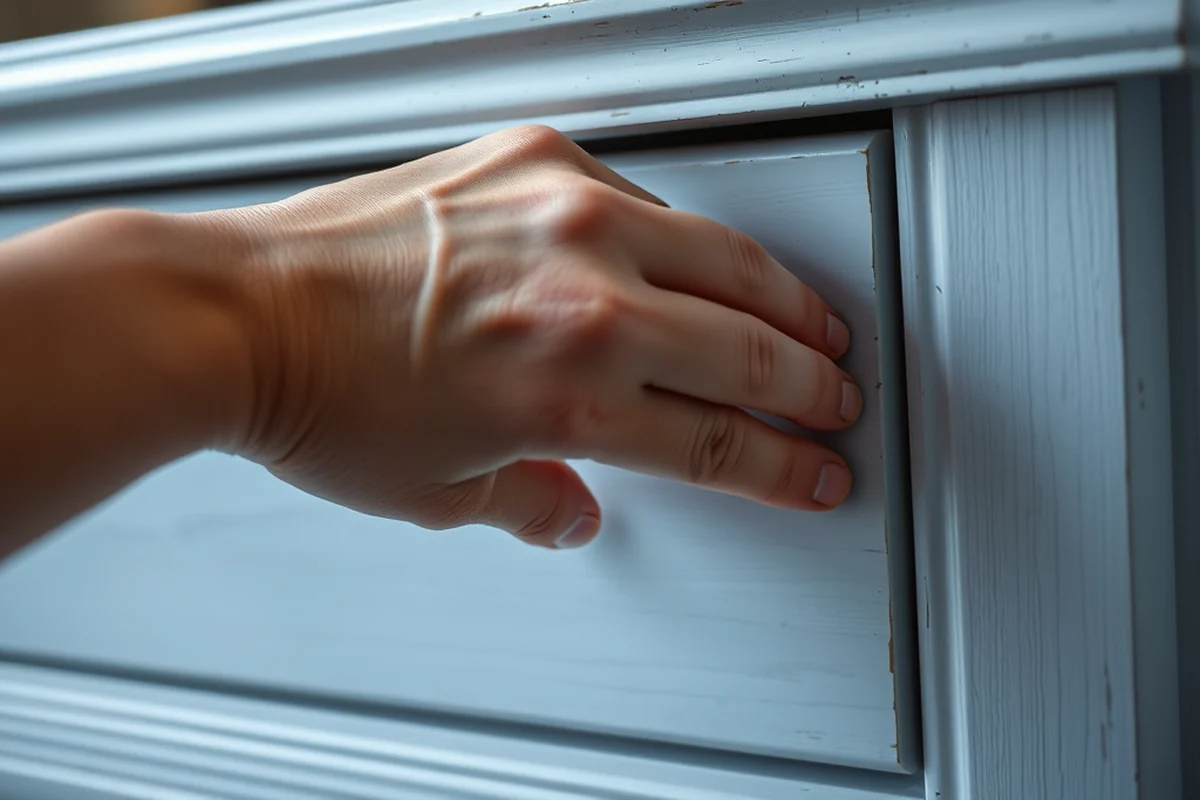
I’ve tried several types of paint over the years, but my favorite for laminate furniture is a water-based acrylic paint. It’s affordable, dries quickly, and gives a smooth finish. I usually go with a matte or semi-gloss finish, depending on the light in the room.
With tools, you’ll need a few basics: a paintbrush, a roller, a primer, and a sanding block. I recommend using a 3-inch paintbrush for edges and corners, and a roller with a 1/4-inch nap for larger areas. These tools are available at most hardware stores for under $20.
Don’t forget to protect the surrounding area with drop cloths. I always use old sheets or plastic tarps to avoid getting paint on the floor or other furniture. It’s an easy step, but it saves a lot of cleanup later.
The right tools and paint make all the difference — and they don’t have to be expensive.
Related: Affordable budget painting laminate furniture
Painting Techniques That Work
I always start by applying two coats of primer, letting each one dry completely. Primer is crucial because it helps the paint stick better and covers the original color of the laminate. I found that using two coats of primer reduces the number of paint coats needed later.
When painting, I use a brush to apply the first coat, then a roller for the second and third coats. This helps create a smooth, even finish. I always work in small sections, and I make sure to overlap each stroke to avoid streaks or uneven coverage.
After the paint dries, I lightly sand the surface with 220-grit sandpaper and wipe it down again before applying the final coat. This step gives the paint a smoother finish and helps it last longer.
Start with a primer, then apply two to three thin coats of paint. Let each coat dry completely before applying the next. This helps prevent the paint from peeling or cracking.
“I still remember the day I decided to paint my old, scratched-up laminate kitchen table.”— Laminatelove editors
Related: Diy budget painting laminate furniture
Sealing the Paint for Longevity
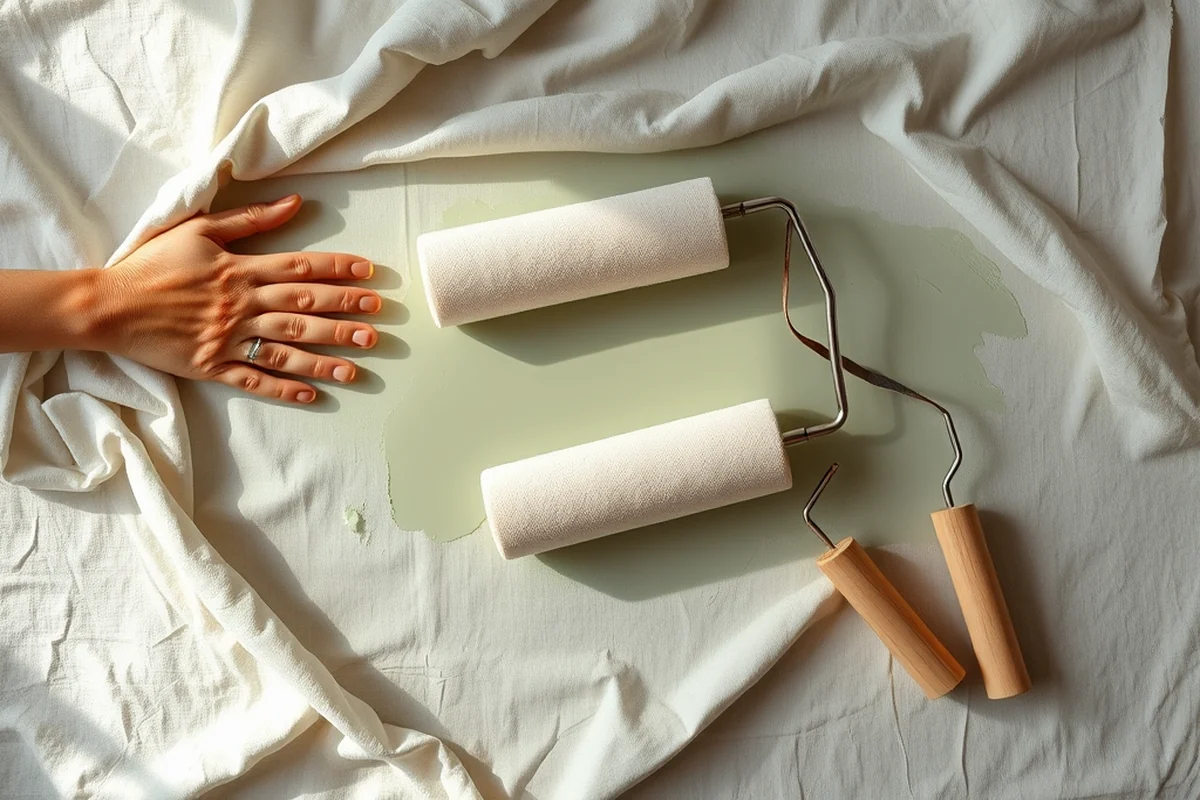
Even the best paint job can fail if you skip the sealing step. I learned this when my first project started to chip after only a month. The solution was to apply a clear sealant designed for painted surfaces. I used a water-based polyurethane sealant, which is easy to apply and doesn’t yellow over time.
I apply two thin coats of sealant, letting each one dry completely. The first coat helps protect the paint, and the second coat adds an extra layer of durability. I always use a brush for this step to avoid leaving brush marks on the surface.
Sealing not only makes the paint more resistant to scratches and moisture, but it also makes the surface easier to clean. I’ve found that a sealed surface wipes down easily with a damp cloth, which is a huge plus for high-traffic areas like kitchen tables.
Related: Painting laminate furniture budget for beginners
Customizing Your Painted Furniture
I always take a few extra minutes to add some personal touches to my painted furniture. This can include adding decorative hardware, like drawer pulls or knobs, or even distressing the paint slightly to give it an antique look.
Another way to customize is to add a second color or use a stencil to create a pattern. I’ve used stencils to add geometric designs or even hand-painted flowers to some of my pieces. It’s a fun way to make your furniture stand out.
Don’t forget to consider the lighting in the room when choosing a paint color. I’ve found that a lighter color, like white or cream, works best in rooms with a lot of natural light, while darker colors, like navy or charcoal, can add depth to a room with less light.
💰 Budget Build
This version uses the cheapest possible materials and focuses on simplicity. Ideal for first-time DIYers looking to try the project without investing much upfront.
⏰ Weekend Version
A streamlined version of the guide that can be completed in one day. Perfect for those with limited time who still want a great-looking result.
🌟 Upgraded Finish
Adds higher-quality paint and sealants for a more professional finish. Great for those who want their furniture to look like it was bought from a showroom.
🏠 Small-Space Adaptation
Tailored for small apartments or homes. Focuses on quick cleanup, portable tools, and minimal storage.
🔒 Rental-Safe Option
Designed for renters who can’t make permanent changes. Uses removable paint and sealants that can be stripped without damaging the furniture.
| The mistake | Why it happens | The fix |
|---|---|---|
| Skipping the primer step. | Primer helps the paint stick better and covers the original color. Without it, the paint may not adhere properly and could peel or chip quickly. | Always apply a bonding primer before painting. It’s an affordable and essential step that makes all the difference. |
| Using the wrong type of paint. | Regular wall paint or oil-based paint may not stick well to laminate surfaces and can lead to peeling or cracking. | Use a water-based acrylic paint with a bonding primer. It’s affordable and designed for this type of project. |
| Not sanding the surface properly. | Without sanding, the paint may not adhere well, leading to a finish that doesn’t last long. | Spend extra time sanding with 120-grit sandpaper. It’s a small step that makes a big difference. |
| Overlooking the sealing step. | Sealing protects the paint from scratches, moisture, and wear. Skipping it can lead to a finish that doesn’t last long. | Always apply a clear sealant after painting. It’s a quick step that adds years of life to your painted furniture. |
Related: Painting laminate furniture budget examples
Budget Painting Laminate Furniture Guide
Related: Quick painting laminate furniture budget
Troubleshooting Common Paint Issues on Laminate
Painting laminate furniture can lead to unexpected challenges, but with troubleshooting, you can fix many issues without starting over.
I once painted a kitchen table and noticed peeling paint after a week—it turned out I skipped the primer. Primer is essential for laminate because it helps paint adhere better. If you see peeling or flaking, check your surface prep and make sure you used a primer designed for glossy or slick surfaces. I've found that using a bonding primer like Zinsser BullsEye 1-2-3 works wonders for laminate, even if it's not explicitly labeled for that use.
If your paint is bubbling or not drying properly, it might be due to humidity or improper ventilation. I painted a dresser in a damp basement and had to wait an extra day for the room to dry before continuing. Ensure your workspace is well-ventilated and the temperature is between 60-80°F. If you're painting in a humid area, consider using a dehumidifier or working in a different room.
Another common issue is paint not sticking evenly. I noticed this when painting my bookshelf and found that my brush wasn't distributing paint uniformly. Use a high-quality brush or a foam roller for even coverage. I’ve also had success using a spray paint gun for larger surfaces, but be sure to test it on a small area first to avoid overspray or uneven texture. These steps have helped me avoid costly mistakes and ensure my painted furniture looks professional and lasts longer.
Common Questions
Can I paint over an existing paint job on laminate furniture?
How long does the paint last on laminate surfaces?
Is it possible to paint over laminate without sanding?
Can I use regular wall paint on laminate furniture?
References
- COATINGS AND COLOR MANUAL (media.defense.gov)
- Lead Action Plan - City of Milwaukee (city.milwaukee.gov)
Cite this guide
Laminatelove (2026). Budget Painting Laminate Furniture Guide. https://laminatelove.com/budget-painting-laminate-furniture-guide/
Feel free to cite or share this guide.