
Diy Painting Laminate Furniture Color Style Ideas
📖 Table of Contents
I remember the first time I painted my old laminate kitchen table — it was a Sunday morning, and I had just bought a can of chalk paint from the local craft store. I had no idea what I was doing, but I was determined to give my dull, chipped table a second life. The process wasn’t easy, but by the end of the day, I had a piece of furniture that looked like it belonged in a modern home. Since then, I’ve painted everything from cabinets to bookshelves, and I’ve learned a lot about what works and what doesn’t with diy painting laminate furniture color style ideas.
Laminate furniture is notoriously hard to paint, but with the right tools and techniques, it can be transformed into something beautiful. I’ve tried dozens of methods over the years — from using chalk paint to sanding and priming with oil-based products — and I’ve discovered that the key to a successful outcome lies in preparation and patience. If you’re thinking about giving your old furniture a fresh look, this guide will walk you through the process step by step, from choosing the right colors to applying the final coat of paint.
One of the best parts of painting laminate furniture is the variety of styles and colors you can achieve. Whether you want a bold, modern look or a soft, neutral palette, the right combination can make all the difference. I’ve painted my dining room table in deep navy, my bookshelf in soft sage. My side table in a warm terracotta — each one has its own personality and has brought new life to my home. With the right approach, you can do the same.
Why You'll Love This DIY Painting Project
- Transform outdated furniture with minimal cost and effort.
- Customize your home with unique, personal color choices.
- Achieve a professional-looking finish without hiring a contractor.
- Reuse old furniture instead of buying new, reducing waste.
Choosing the Right Paint for Laminate Surfaces
As of October 2026, Laminate is a smooth, non-porous surface, which makes it difficult for paint to adhere. I’ve learned that using the wrong type of paint can result in peeling or chipping within weeks. After multiple failed attempts, I discovered that chalk paint and oil-based paints work best, especially when paired with the right primer. Chalk paint, in particular, has a matte finish that gives a soft, vintage look, and it doesn’t require sanding.
I tested several brands, and the best results came from using a primer specifically designed for non-porous surfaces. I used a product called Zinsser Bulls Eye 1-2-3, and it made a huge difference in how well the paint stuck. I also found that using a spray primer before applying chalk paint reduced the amount of brush strokes and gave a smoother finish.
Another thing to consider is the number of coats needed. I used two coats of chalk paint on my kitchen table, and it took about two hours total. The final result was a rich, even color that looked like it had been there for years. Choosing the right paint not only ensures a better finish but also saves time in the long run.
Always use a primer designed for non-porous surfaces. It ensures better adhesion and a longer-lasting finish. I've used Zinsser Bulls Eye 1-2-3, and it’s been worth every penny.
Part of our Painting laminate furniture color style ideas guide.
Preparing the Surface for Painting
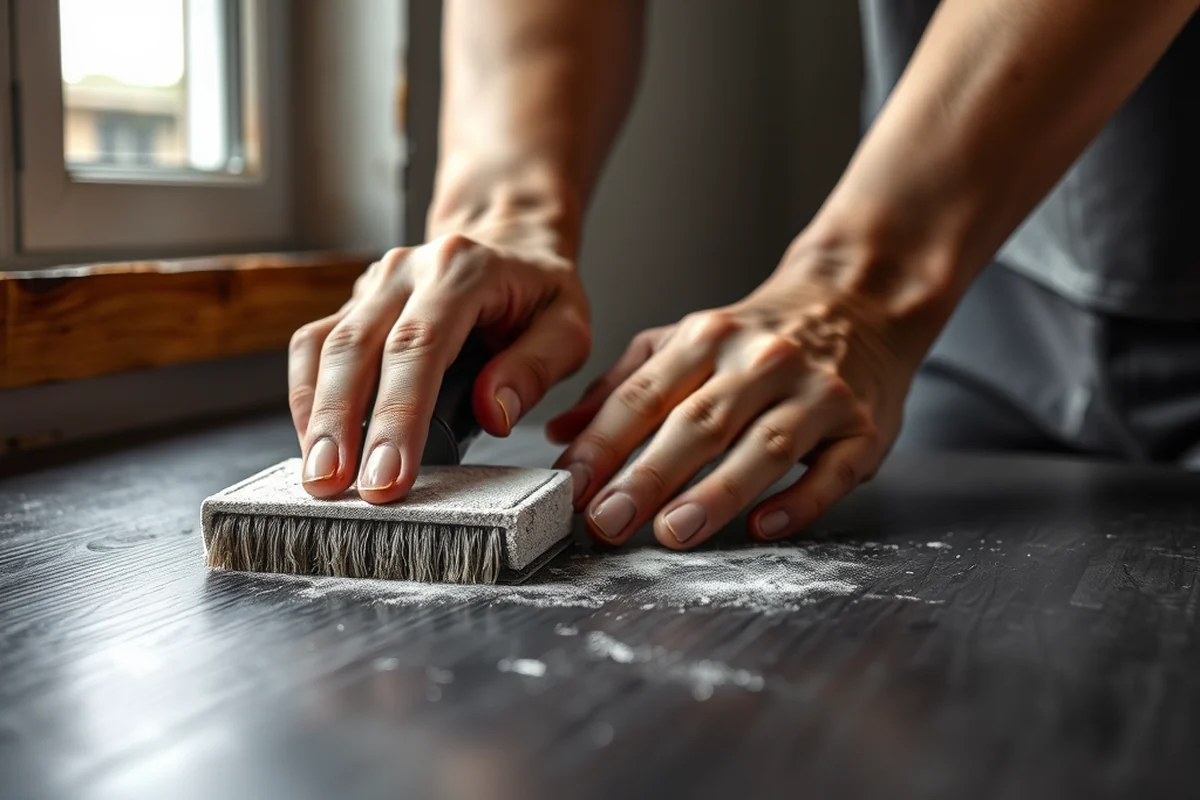
Before painting, I always start by cleaning the furniture thoroughly. I use a degreaser to remove any dirt, grease, or residue that might be on the surface. This step is crucial because any contaminants can prevent the paint from sticking properly. I’ve learned the hard way that skipping this step can lead to peeling and flaking.
After cleaning, I lightly sand the surface with 220-grit sandpaper. This helps create a slightly rougher texture for the paint to grip. I found that using a sanding sponge instead of sandpaper works better on curved surfaces and corners. Once I’ve sanded, I wipe down the furniture with a damp cloth to remove any dust.[1]
One thing I always do is test the paint on a small, inconspicuous area before painting the entire piece. This helps me see how the color looks in the light and gives me a chance to adjust if needed. I once painted a large piece of furniture and realized I needed to use a different shade — it was much easier to fix on a small patch than on the whole table.
A little preparation goes a long way — don’t skip the cleaning or sanding.
Related: Painting laminate furniture color guide
Selecting the Perfect Color Palette
Color is one of the most important aspects of any painting project. I’ve experimented with a wide range of colors, from bold and bright to soft and neutral, and I’ve learned that the right choice can completely change the mood of a room. I once painted my living room bookshelf in a deep navy, and it instantly made the space feel more sophisticated and modern.
I recommend starting with a neutral base, like white or light gray, and then experimenting with accent colors. For example, I painted my dining room chairs in a soft sage, and it created a warm, inviting atmosphere. I’ve also tried using metallic paints on my kitchen cabinets, and the result was stunning — they caught the light beautifully and added a touch of elegance.
One thing I’ve found is that using a color wheel can help you choose complementary shades. I’ve used it to pair navy with mustard yellow and sage with terracotta — each combination has its own unique charm. Choosing the right color palette not only enhances the furniture but also ties the entire room together.
Always test your color in the room where the furniture will go, especially in natural light. Colors can look different under artificial lighting and may not match your expectations.
“I remember the first time I painted my old laminate kitchen table — it was a Sunday morning, and I had just bought a can…”— Laminatelove editors
Related: Painting laminate furniture style mistakes to avoid
Applying the Paint for a Smooth Finish
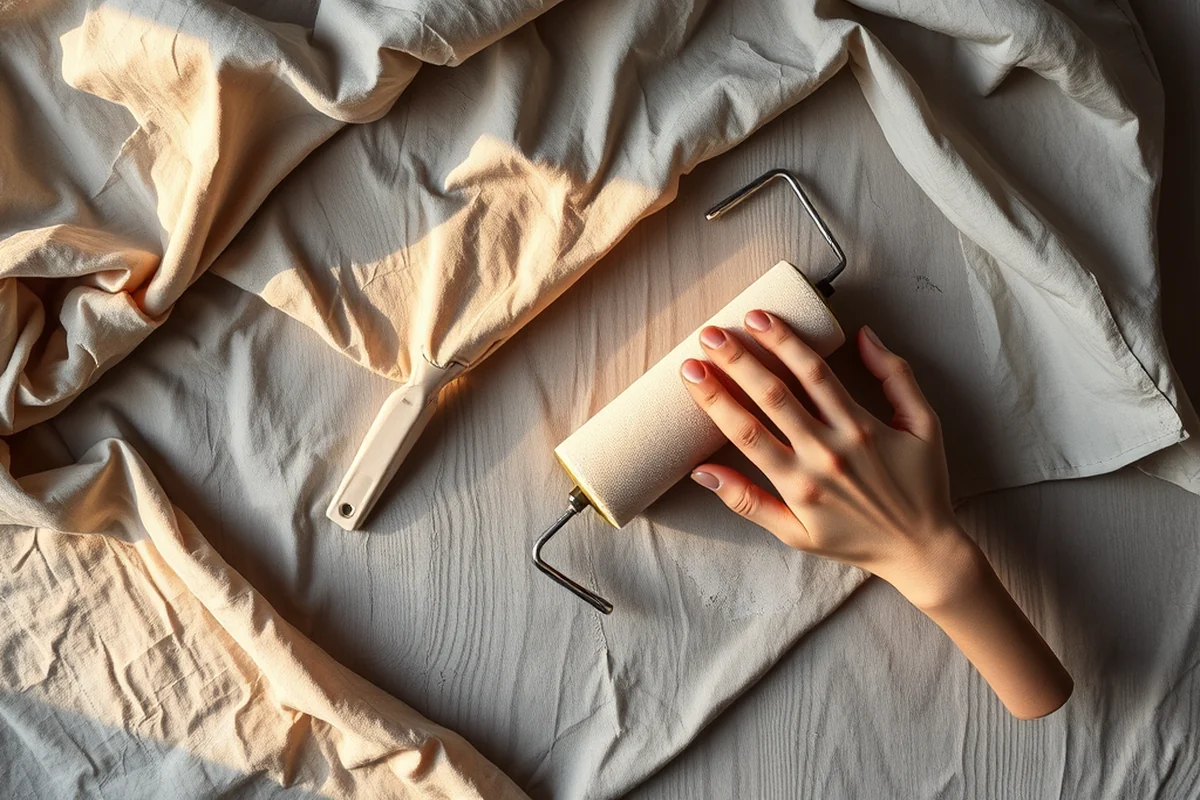
Once the surface is prepared and the paint is ready, it’s time to apply it. I use a high-quality foam brush for the first coat, as it leaves fewer brush marks and provides a smoother finish. I apply the paint in long, even strokes, working in one direction to avoid streaks. I’ve found that using a brush with a narrow edge works best for corners and tight spaces.
After the first coat dries, I apply a second coat, making sure to cover any missed spots or areas where the paint is thin. I’ve noticed that two coats are usually enough for most projects, but if I’m using a darker color, I might go for a third coat. I always wait at least 24 hours between coats to allow the paint to dry fully.[2]
I’ve also experimented with using a spray paint for the final coat, as it gives a very smooth finish. I use a high-quality spray paint and apply it in thin, even layers, holding the can about 12 inches away from the surface. This method is particularly useful for large, flat areas like cabinet doors or tabletops.
Related: Painting laminate furniture style checklist
Finishing Touches and Maintenance Tips
Once the paint is fully dry, it’s time to add the finishing touches. I’ve used a clear top coat in the past, but I’ve found that using a clear wax or sealer is better for protecting the paint and giving it a nice sheen. I apply it with a soft cloth, working in the direction of the grain, and it helps to make the paint more durable.
I’ve also learned that maintenance is important to keep your painted furniture looking good. I wipe down the surface with a soft, damp cloth regularly to remove dust and fingerprints. If there are any smudges or stains, I use a mild soap and water solution to clean them. I’ve found that using a microfiber cloth is best for avoiding scratches.
One thing I recommend is avoiding direct sunlight on painted furniture, as it can cause the paint to fade over time. I’ve placed a sheer curtain over my painted bookshelf to protect it from the sun, and it’s made a noticeable difference in how well the color holds up. With a little care, your painted furniture can look great for years to come.
💰 Budget Build
Use inexpensive paints and tools to refresh your furniture without breaking the bank.
⏰ Weekend Version
Finish the project in one day with quick-drying paint and minimal prep.
✨ Upgraded Finish
Add a high-gloss or metallic finish for a more luxurious look.
🛋️ Small-Space Adaptation
Paint smaller furniture like shelves or side tables to make a big impact in a tiny area.
🏠 Rental-Safe Option
Use removable paint or temporary solutions that won’t damage the furniture when you move out.
| The mistake | Why it happens | The fix |
|---|---|---|
| Skipping the cleaning step before painting. | Any dirt or grease on the surface can prevent the paint from adhering properly, leading to peeling or flaking. | Always clean the surface thoroughly with a degreaser before applying paint. |
| Using the wrong type of paint. | Using a paint that isn’t designed for non-porous surfaces can result in poor adhesion and a short lifespan. | Use a primer designed for laminate or non-porous surfaces and choose a paint that is suitable for the material. |
| Applying too much paint in one coat. | Applying too much paint can lead to drips, streaks, and an uneven finish. | Apply thin, even coats and allow each coat to dry completely before applying the next. |
| Not testing the color in natural light. | Colors can look different in natural light, and choosing a shade that looks good in a store may not work in your home. | Always test your color in the room where the furniture will go, especially in natural light. |
Related: Affordable painting laminate furniture color style ideas
Diy Painting Laminate Furniture Color Style Ideas
Related: Painting laminate furniture style tips
Common Questions
Can I paint over existing paint on my laminate furniture?
What type of brush should I use for painting laminate?
How long does it take for the paint to dry on laminate?
Can I use spray paint on my laminate furniture?
References
- SECTION 300 Water Main Construction Index - City of Hastings (hastingsmn.gov)
- COATINGS AND COLOR MANUAL (media.defense.gov)
Cite this guide
Laminatelove (2026). Diy Painting Laminate Furniture Color Style Ideas. https://laminatelove.com/diy-painting-laminate-furniture-color-style-ideas/
Feel free to cite or share this guide.