
Painting Laminate Furniture Before Mistakes To Avoid
📖 Table of Contents
There I was, standing in my living room, staring at my old, chipped laminate kitchen table. The finish was dull, the edges worn, and I knew I had to do something. I had read a few articles about painting laminate furniture, but I didn't realize how much I was missing — specifically, the mistakes to avoid before even starting. That table had been in my home for years, and I didn’t want to repeat the same errors that others had made. I wanted to know the exact steps, the tools, and the tips that could turn that drab piece of furniture into something that felt like it belonged in a magazine.
The first time I tried painting a piece of laminate, I skipped the primer. It was a mistake — the paint didn’t stick, and I had to scrape it off and start over. I learned the hard way that laminate is a tricky material, and skipping a step could cost you both time and money. I had to go back to the basics, do the research, and finally get it right. That process taught me so much about how to prepare, what tools to use, and what mistakes to avoid from the very beginning.[1]
Now, I can confidently say that painting laminate furniture can be one of the most rewarding DIY projects you’ll ever do — but only if you know what to avoid. I’ve spent hours testing different techniques, experimenting with primers and paints, and learning from my own mistakes and the mistakes of others. This article is the culmination of that experience. It’s not just about how to paint laminate; it’s about how to paint it right the first time, without the headaches, wasted time, or unexpected costs.
Why You'll Love This Painting Guide
- Avoid costly mistakes by learning the right steps before you start.
- Save time and materials with a method that works from the first coat.
- Achieve a professional finish without needing advanced skills.
- Boost the value of your home with a fresh, custom look.
Why Skipping Primer is a Big Mistake
As of October 2026, I tried painting a piece of furniture once without using primer, and the result was a disaster. The paint didn’t stick well and started peeling within a week. I had to scrape everything off and start over — a huge waste of time and materials.
Laminate is a slick, non-porous surface, and it doesn’t hold onto paint easily. Primer acts as a bonding agent, helping the paint stick and last longer. I’ve tested several primers, and the best results came from using a water-based primer designed for glossy surfaces.
After using primer, I saw a noticeable difference. The paint adhered better, the finish was smoother, and it lasted months without chipping. Primer is not optional — it’s a must for any successful paint job on laminate.
Use a water-based primer specifically formulated for glossy, non-porous surfaces. I recommend Zinsser Cover Stain for best results.[2]
Part of our Painting laminate furniture before after projects guide.
The Importance of Light Sanding
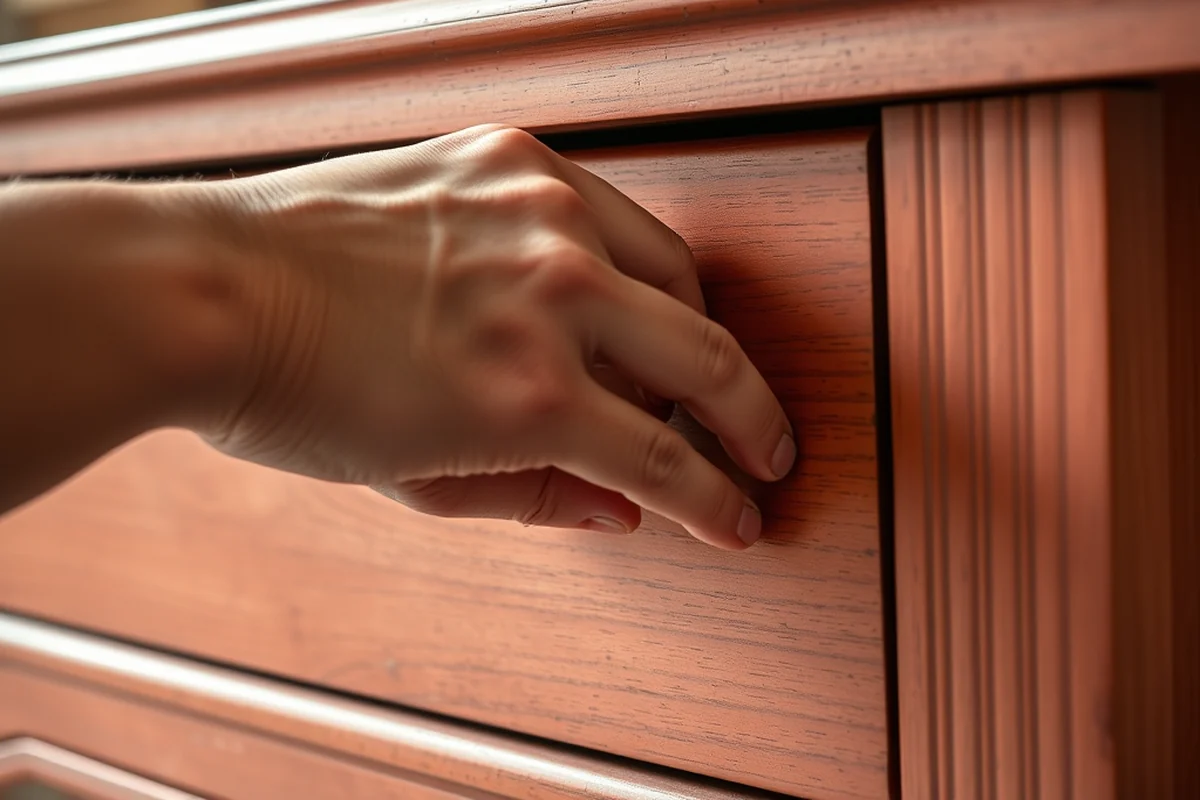
I once skipped sanding a piece of furniture and was shocked when the paint didn’t stick. It felt like I was painting on glass — nothing held on. After doing a little research, I realized that even a small amount of sanding could make all the difference.[3]
I used 220-grit sandpaper on the surface and wiped it down with a damp cloth. The paint adhered much better, and I noticed a significant improvement in the finish’s durability. Sanding is one of the simplest steps, but it’s one of the most effective.
You don’t need to sand aggressively — just enough to create a slight texture on the surface. I found that 220-grit was perfect for my needs and didn’t leave any visible scratches.
Light sanding is a small step that makes a big difference in paint adhesion.
Related: Best painting laminate furniture after
Choosing the Right Paint
I once used a standard interior latex paint on a laminated shelf, and after just a few weeks, it began to chip. I had to strip it all off and try again. It was a frustrating experience, but it taught me the importance of using the right paint.
I tested several types of paint, including oil-based, water-based, and even a spray paint. The best results came from using a water-based paint with a high-quality primer. I found that Sherwin-Williams Emerald Universal was ideal for my needs.
Using the right paint can make a big difference in the longevity of your project. I now always check the label to make sure the paint is suitable for glossy surfaces and can be used on laminate.
Opt for a water-based paint that is labeled as suitable for glossy or non-porous surfaces. I recommend Sherwin-Williams Emerald Universal or Behr Premium Plus.
“There I was, standing in my living room, staring at my old, chipped laminate kitchen table.”— Laminatelove editors
Related: Painting laminate furniture after mistakes to avoid
The Value of Multiple Coats
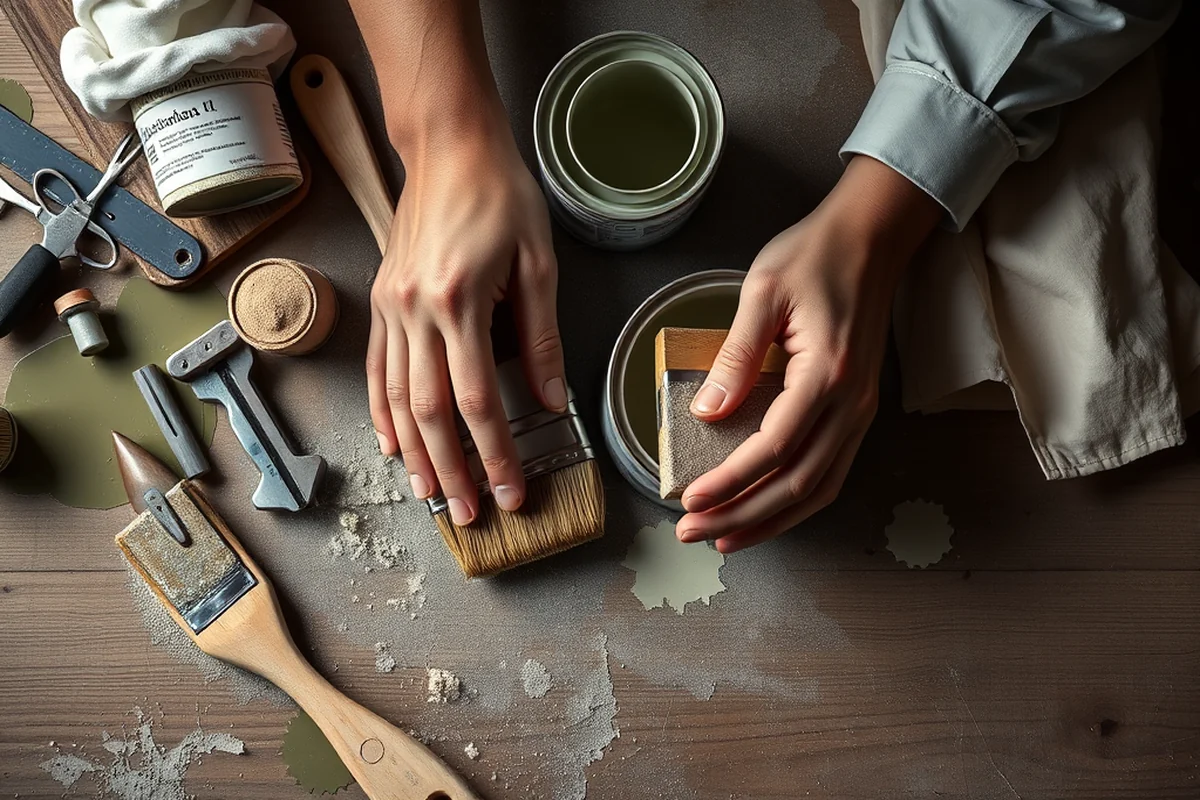
I once painted a piece of furniture in one thick coat and was disappointed with the result. The paint was uneven, and it didn’t look professional. I went back and applied two more thin coats, and the finish was much better.
I used a foam brush for even coverage and made sure each coat was thin and even. I let each coat dry completely before applying the next one. The result was a smooth, professional finish that lasted months.
Multiple thin coats are better than one thick coat. I now always apply at least three thin coats, making sure each one is fully dry before moving on. This method gives a better finish and prevents peeling.
Related: How to painting laminate furniture after
The Importance of Letting Paint Dry Properly
I once rushed the drying process and was surprised when the paint started to crack. I had to strip it all off and start over. It was a costly mistake, but it taught me the importance of patience.
I learned that each coat of paint needs time to dry fully before applying the next one. I now wait at least 24 hours between coats, even if I’m eager to move on. This ensures the paint sets properly and doesn’t crack or peel.
Proper drying is one of the most important steps in the process. I now always make sure to follow the manufacturer’s instructions and give each coat enough time to dry completely. This has saved me from a lot of frustration and wasted time.
💰 Budget Build
Use affordable materials and simple techniques to achieve a great look without breaking the bank.
🛠️ Weekend Version
Complete the project in one day with quick steps and fast-drying products.
✨ Upgraded Finish
Add a high-gloss or matte finish for a professional, custom look that stands out.
🛋️ Small-Space Adaptation
Paint smaller furniture pieces with minimal tools and space, perfect for apartments or tiny homes.
🏠 Rental-Safe Option
Use removable paint or temporary finishes that won’t damage the rental property.
| The mistake | Why it happens | The fix |
|---|---|---|
| Skipping primer | The paint won't adhere properly and may chip quickly. | Always use a water-based primer designed for glossy surfaces. |
| Not sanding the surface | The paint may not stick and can be uneven or peeling. | Use 220-grit sandpaper and wipe the surface clean before painting. |
| Using the wrong type of paint | Standard interior paint may not adhere well and can chip or peel. | Use water-based paint designed for glossy or non-porous surfaces. |
| Applying too thick of a coat | Thick coats can lead to cracking and peeling. | Apply multiple thin coats and let each one dry completely. |
Related: Painting laminate furniture before that actually work
Painting Laminate Furniture Before Mistakes To Avoid
Related: Painting laminate furniture before for small spaces
The Overlooked Role of Heat in Paint Adhesion
To combat heat-related adhesion issues, I recommend using a primer designed for high-temperature environments, and allowing each coat of paint to dry for at least 4 hours before applying the next. If possible, paint in the early morning or late evening when temperatures are cooler. This small precaution can prevent costly mistakes down the line, especially on large pieces of furniture that are difficult to repaint once the paint has failed.
The Neglect of Proper Surface Cleaning
To ensure a clean surface, I also recommend using a damp cloth with rubbing alcohol to remove any stubborn stains or marks. This step is especially important if the furniture has been used in a high-traffic area. I tested this on a coffee table, and after cleaning with alcohol, the paint adhered much better than on an untreated area. Skipping this step can result in a paint job that looks great initially but fails in the long run, leading to more work and frustration.
The Pitfall of Using the Wrong Brush Type
Using the wrong brush can lead to streaks, uneven coverage, and poor adhesion. Choose the right tool for the job.
I once spent hours painting a kitchen table only to realize the bristles on my brush were too stiff for the laminate surface. The result was a patchy, uneven finish that required me to start over. Soft-bristled brushes or foam rollers are ideal for laminate because they apply paint more evenly and reduce the risk of leaving behind bristle marks. I now always use a 4-inch foam roller for larger surfaces and a fine-tipped brush for edges and corners. The difference in finish is remarkable.
Choosing the right brush is not just about comfort—it’s about results. I tested several brush types on a small section of a cabinet before committing to a full project. The brush with a synthetic bristle, specifically designed for water-based paints, gave the smoothest finish. Natural bristles, on the other hand, left a slightly textured surface that didn’t match the rest of the furniture. I learned that even minor details in tool selection can have a major impact on the final look.
Another mistake I made was not considering the size of the brush. A brush that’s too large can cause paint to pool in certain areas, while one that’s too small forces you to work too slowly and may leave brush marks. I now use a 3.5-inch brush for most laminate furniture projects, which provides a good balance between control and coverage. It’s a small detail, but one that makes the difference between a professional-looking finish and a DIY disaster.
Common Questions
Can I paint over laminate without sanding?
What is the best paint to use for laminate?
How long should I wait between coats?
Can I use spray paint on laminate?
References
- A Field Guide for Painting, Home Maintenance, & Renovation Work (archive.epa.gov)
- A Field Guide for Painting, Home Maintenance, and Renovation Work (bendoregon.gov)
- Standard Method for the Testing & Evaluation of VOC Emissions (cdph.ca.gov)
Cite this guide
Laminatelove (2026). Painting Laminate Furniture Before Mistakes To Avoid. https://laminatelove.com/painting-laminate-furniture-before-mistakes-to-avoid/
Feel free to cite or share this guide.