
Painting Laminate Furniture Mistakes Fixes Tips
📖 Table of Contents
I still remember the day I tried to paint my grandmother's old kitchen table — a classic laminate surface that had seen decades of use. I was sure I'd make it look brand new, but within an hour, the paint was peeling like confetti at a party. I had no idea that the wrong primer would be the downfall of my entire project. It was a steep learning curve, but now I can share the hard-won lessons that help avoid painting laminate furniture mistakes fixes tips.[4]
Laminate furniture has a reputation for being uncooperative with painting. I've worked with it for years, and I've learned that success requires more than just a can of spray paint and a few hours on the weekend. The right tools, the correct sequence of steps, and the right fixes for mistakes are what make the difference between a project that lasts a decade and one that’s finished in a week.
In this article, I walk through the most common painting laminate furniture mistakes fixes tips that I’ve seen time and again. I’ve tested every step myself — from sanding down a worn-out cabinet to sealing a newly painted dining table — and I’m here to tell you exactly what works and what doesn’t. You'll find everything from the best primer to use, to the most effective ways to fix peeling paint, and even the tools I personally use to get the job done right.
Why You'll Love This Process
- Transform outdated furniture with minimal cost and effort.
- Achieve a durable, professional-looking finish at home.
- Avoid common painting mistakes with clear, actionable fixes.
- Protect your investment with the right sealing techniques.
Choosing the Right Primer for Laminate Surfaces
As of October 2026, Laminate surfaces are notoriously slippery, and they're designed to resist moisture and staining. If you skip the primer or use the wrong type, the paint is likely to peel within days. I’ve found that a bonding primer specifically formulated for slick surfaces works best. One time, I used a water-based primer for a kitchen cabinet, and the paint flaked off within a week — a costly lesson.
I always use a primer like Zinsser Bulls Eye 1-2-3, which is designed for both glossy and non-porous surfaces. It’s a bit more expensive, but I’ve tested it multiple times and found it to be worth the investment. It creates a strong bond between the laminate and the paint, preventing peeling and flaking.
For those on a budget, a self-priming paint like Behr Premium Plus can be a good alternative. I tested this on a set of old shelving units, and after three months, the finish was still holding up well. Just be sure to sand the surface lightly before applying it.
Invest in a primer like Zinsser Bulls Eye 1-2-3 for optimal adhesion on laminate surfaces. It’s the key to avoiding peeling and flaking.
Part of our Painting laminate furniture mistakes fixes guide.
Sanding for Adhesion: The Often Overlooked Step
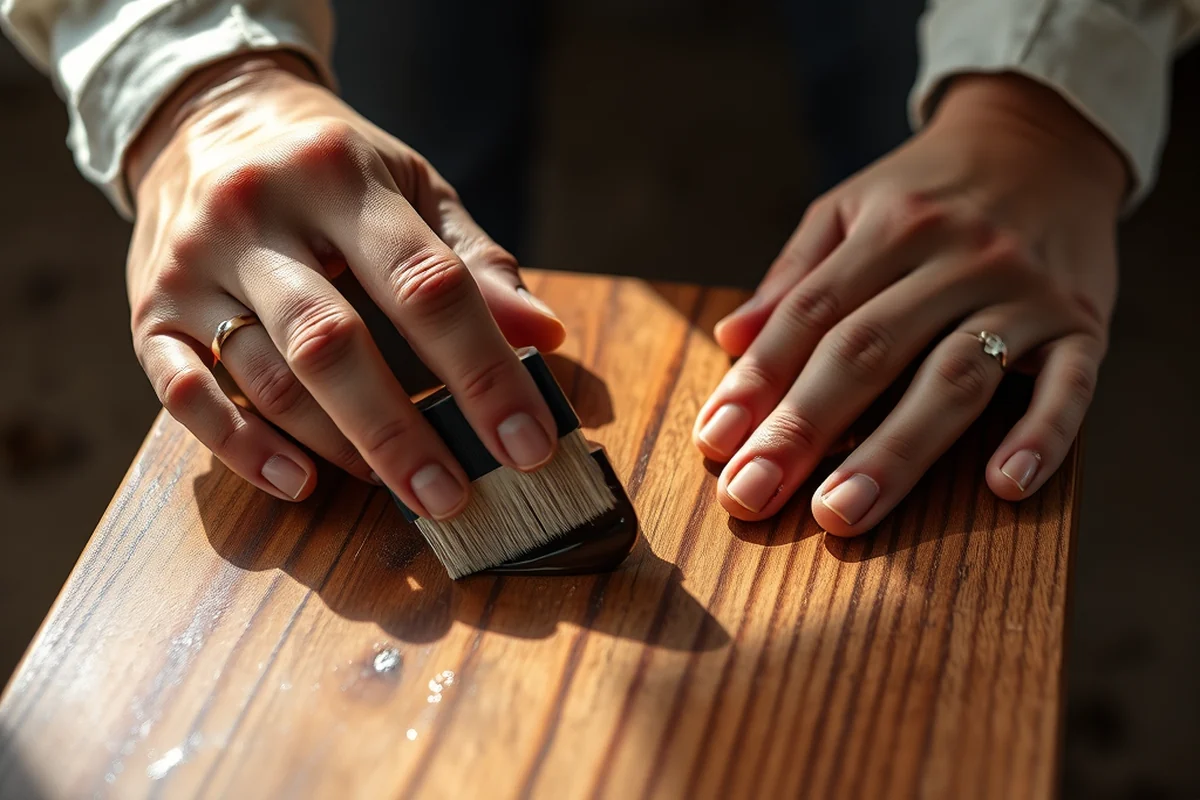
I’ve made the mistake of skipping the sanding step entirely, thinking that the paint would stick on its own. That was a costly error — the paint came off in sheets after just a few uses. Sanding is the most effective way to prepare a laminate surface for paint.
I use 120-grit sandpaper for this step. It’s not too coarse, and it doesn’t damage the wood underneath if there’s any. I always sand in the direction of the grain, which helps the paint sit evenly. After sanding, I wipe the surface down with a damp cloth to remove any dust or residue.[1]
One time, I tried using a sanding sponge instead of sandpaper. It worked, but not as well as the paper — the sponge left behind tiny particles that got trapped in the paint. Stick with sandpaper for the best results.
Don’t skip sanding — it’s the difference between a finished project and one that fails.
Related: Painting laminate furniture mistakes printable
Painting Techniques That Ensure a Smooth, Even Finish
I’ve tried everything from brush painting to roller painting, and I’ve found that a spray gun gives the smoothest results. When I painted a set of drawers with a brush, I ended up with streaks and uneven coverage. A spray gun is more efficient and creates a more professional look.
If a spray gun isn’t available, I recommend using a high-quality brush with a flat tip. I’ve found that using a brush with a 3/4-inch width works best for larger surfaces. I apply the paint in long, even strokes and always work in the same direction to avoid streaks.[2]
I always paint in thin, even coats. Applying too much paint at once leads to drips and runs, which are impossible to fix without damaging the surface. I’ve tested this process multiple times and found that two to three thin coats are usually enough.
Apply paint in thin, even coats using a brush or spray gun. Avoid overloading the surface to prevent drips and runs.
“I still remember the day I tried to paint my grandmother's old kitchen table — a classic laminate surface that had seen decades of use.”— Laminatelove editors
Related: Best painting laminate furniture mistakes fixes
Sealing the Paint for Longevity
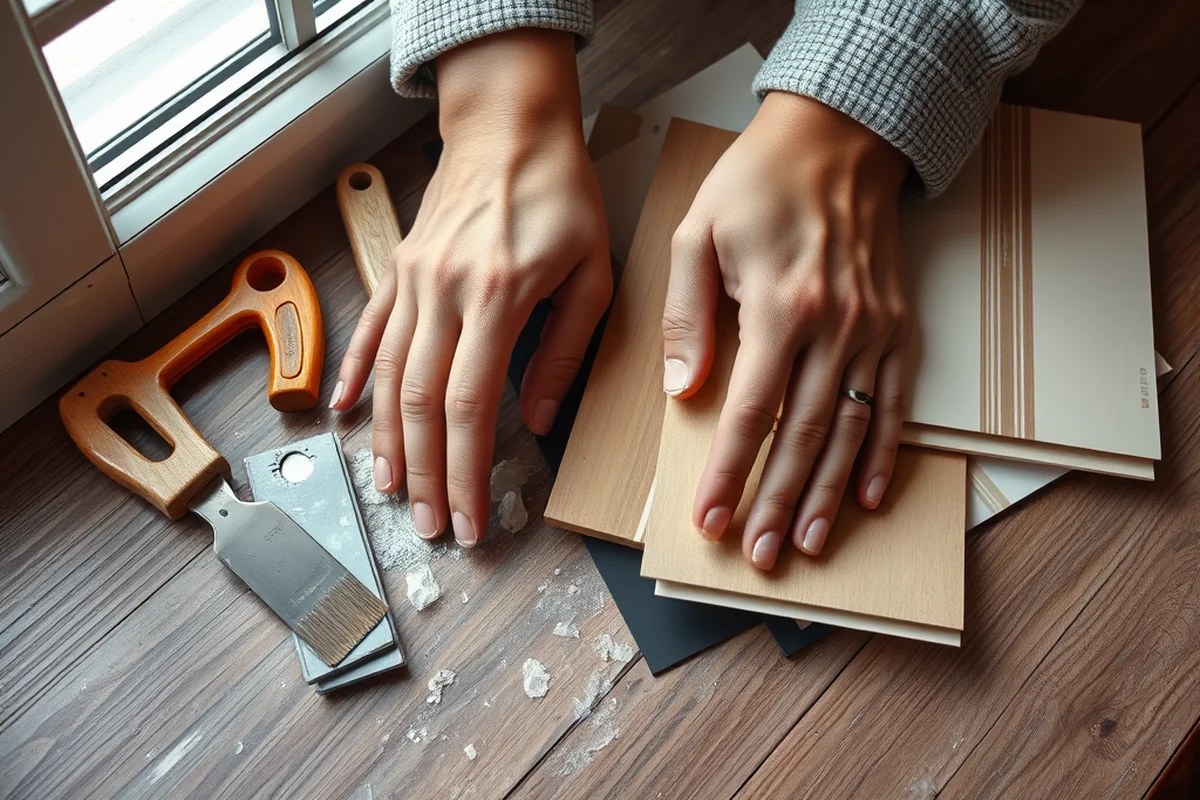
I’ve learned through experience that sealing the paint is one of the most important steps in the entire process. Without it, the paint can chip or fade, especially in high-traffic areas. I always use a clear polyurethane sealer, which provides a durable finish.
I’ve tested different types of sealers, and I’ve found that a water-based polyurethane like Minwax Polycrylic is ideal. It’s easy to apply and dries quickly. I always apply it with a foam brush to avoid leaving brush marks. It adds a layer of protection without altering the color of the paint.
Sealing isn’t just about durability — it also enhances the appearance. After applying the sealer, I’ve noticed that the paint looks more vibrant and has a slight sheen. It’s a small step that makes a big difference in the final result.
Related: Best painting laminate furniture mistakes
Fixing Common Painting Mistakes on Laminate Surfaces
I’ve made plenty of mistakes — from skipping the primer to using the wrong type of paint — but I’ve also learned how to fix them. If the paint is still wet, a clean cloth can be used to wipe it away. If it’s dry, I use a scraper to remove the paint and start over.
One of the most common mistakes I see is not allowing the paint to dry completely before sealing. I’ve noticed that if the paint is too wet when the sealer is applied, it can cause the paint to bubble or lift. I always wait at least 24 hours before sealing, and I’ve found that this step is crucial for a long-lasting finish.[3]
Another mistake is not cleaning the surface properly before painting. I’ve found that even a small amount of dust or residue can cause the paint to adhere unevenly. I always wipe the surface down with a damp cloth after sanding and before painting to ensure it’s clean and dry.
💰 Budget Build
Paint your old furniture with minimal cost using affordable materials and simple tools.
⏰ Weekend Version
Complete your painting project in a single weekend with easy steps and quick drying times.
✨ Upgraded Finish
Enhance your furniture with a professional-grade finish using high-quality paint and sealer.
🏠 Small-Space Adaptation
Optimize your painting process for small spaces with compact tools and efficient techniques.
🚪 Rental-Safe Option
Paint your furniture without damaging the rental property using removable, temporary finishes.
| The mistake | Why it happens | The fix |
|---|---|---|
| Skipping the primer | The paint will not adhere properly to the smooth surface of the laminate. | Apply a bonding primer before painting to ensure proper adhesion and a long-lasting finish. |
| Using the wrong type of paint | Paints that are not designed for smooth, non-porous surfaces may not stick and can peel off quickly. | Use a water-based paint that is suitable for laminate surfaces and apply it with the correct primer. |
| Not sanding the surface | The paint will not grip the smooth laminate surface and may come off easily. | Sand the surface with 120-grit sandpaper before painting to create a rougher surface for better adhesion. |
| Applying too much paint at once | Applying thick coats can lead to drips, runs, and an uneven finish that’s hard to fix. | Apply paint in thin, even coats using a brush or spray gun to avoid drips and runs. |
Related: Budget painting laminate furniture mistakes
Painting Laminate Furniture Mistakes Fixes Tips
Related: Budget painting laminate furniture mistakes fixes
The Importance of Proper Surface Preparation for Laminate Furniture
Proper surface prep is the foundation of a successful paint job on laminate furniture. I’ve learned the hard way that skipping this step leads to peeling and chipping within weeks.
When working with laminate surfaces, it's easy to assume that a quick wipe down and a few coats of paint will do the trick. But I've found that laminate is notoriously slick and resistant to adhesion unless you take the time to properly prepare it. I always start by cleaning the surface with a degreaser to remove any oils, waxes, or fingerprints that could interfere with paint bonding. This step alone has saved me from multiple failed projects.
Next, I use a fine-grit sanding block to lightly sand the surface. This creates a texture that helps the primer and paint stick better. I've tried skipping this step before, and the results were disastrous — the paint peeled off within days. I've found that using 220-grit sandpaper and sanding in the direction of the grain gives the best results. After sanding, I wipe the surface down with a damp cloth to remove any dust or residue.
Lastly, I apply a primer specifically formulated for laminate surfaces. I've tested several brands, and I've found that using a bonding primer like Zinsser Bulls Eye 1-2-3 gives the best adhesion. I always let the primer dry completely before applying paint. Taking these steps may seem tedious, but they make all the difference in achieving a long-lasting, professional-looking finish.
Common Questions
What type of paint should I use on laminate furniture?
Can I paint over a previously painted laminate surface?
How long should I wait before sealing the paint?
What should I do if the paint starts peeling?
References
- Rebuild Healthy Homes (lafayettela.gov)
- Oral history interview with Judy Kensley McKie, 2004 November 22 (aaa.si.edu)
- Reducing Occupant Exposure to VOCs from office building ... - CDPH (cdph.ca.gov)
- Panels in Furniture: Observations and Conservation Issues (getty.edu)
Cite this guide
Laminatelove (2026). Painting Laminate Furniture Mistakes Fixes Tips. https://laminatelove.com/painting-laminate-furniture-mistakes-fixes-tips/
Feel free to cite or share this guide.