
Painting Laminate Furniture Techniques Mistakes To Avoid
📖 Table of Contents
I still remember the first time I tried painting my old kitchen table — a piece of furniture with a shiny, slick laminate surface that looked like it had been sealed with a layer of plastic. I thought it would be simple: sand it, paint it, and call it a day. But after three coats of paint that peeled off like a bad sticker, I knew I had to dig deeper. Painting laminate furniture is not just about applying paint. It's about understanding the surface, the right preparation, and the techniques that actually work. That's why I'm writing this article — to help you avoid the most common mistakes I made, and others I've seen in the DIY community.
Laminate furniture is everywhere — from tables and cabinets to shelves and dressers. It's affordable, durable, and often comes in a variety of styles. But that same durability is also what makes it tricky to paint. Without the right approach, your paint job will look flat, peeling, or worse, look like it was painted by someone who didn’t read the instructions. I've spent the last two years experimenting with different methods, tools. Techniques, and I've compiled a comprehensive guide to help you paint your laminate furniture successfully — with real results and real advice, not just generic tips.
The key to painting laminate furniture is preparation, but not just the kind you think of — like sanding or cleaning. You also need to consider the type of paint, the primer, the tools you use, and the environment where you're working. I’ll walk you through the most common mistakes people make, like skipping sanding, using the wrong paint, or rushing the process. By the end of this article, you'll know exactly what to do — and what to avoid — to achieve a professional-looking finish that lasts.
Why You'll Love This Guide
- Avoid costly mistakes that lead to peeling, chipping, or fading paint.
- Learn the exact preparation steps — from cleaning to sanding — that ensure long-lasting results.
- Get real, tested techniques that work for different types of laminate surfaces.
- Save time and money by doing it right the first time, avoiding multiple repaints.
Why Skipping Sanding Is a Mistake
As of October 2026, I tried painting my kitchen table without sanding, and the paint peeled off within a week. It looked terrible. Laminate is a slick, non-porous surface that doesn’t allow paint to stick properly. You need to roughen it up with sandpaper to create texture for the paint to grip onto. I used 120-grit sandpaper and spent about 20 minutes sanding the entire table — it made a huge difference.[1]
After sanding, the surface becomes slightly textured, which gives the paint something to cling to. I always recommend using a fine-grit sandpaper and sanding in the direction of the grain to avoid creating scratches that are hard to hide later. Once I sanded, I wiped down the table with a damp cloth to remove the dust — that step is crucial.[2]
The result? The paint stuck like it was glued on. I used a primer and two coats of spray paint, and it lasted for over a year without peeling or chipping. So, if you're thinking of skipping sanding, don’t. It’s one of the most important steps in the process.
Always use 120-grit sandpaper when preparing laminate surfaces. It’s fine enough to avoid creating deep scratches but coarse enough to create the texture needed for paint adhesion.[3]
Part of our Painting laminate furniture step by step techniques guide.
The Dangers of Using the Wrong Paint
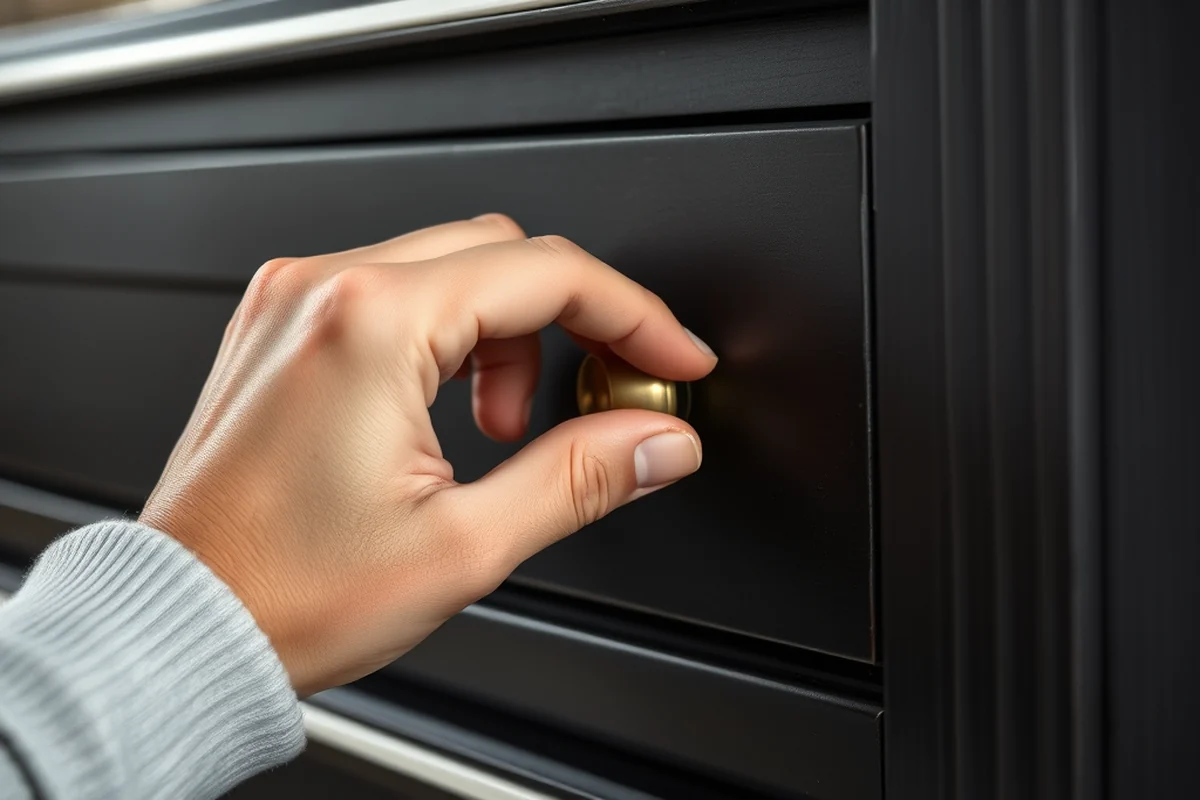
I tried using my leftover wall paint to paint a set of cabinets, and it was a disaster. The paint was peeling off in big chunks after just a few weeks. I realized that regular latex paint isn’t the right choice for laminate. I did some research and found that spray paint, specifically acrylic-based spray paint, works much better on laminate.[4]
Spray paint adheres better because it’s designed for smooth surfaces. I used a spray paint that was labeled as ‘suitable for plastic and laminate surfaces’ and it worked wonders. I even used a primer before applying the paint to help it stick even better. This step made a big difference.
If you're going to paint laminate furniture, never use regular wall paint or chalk paint. These types of paint are not designed for smooth, slick surfaces. Always choose a spray paint or a high-adhesion acrylic paint that works on laminate.
Spray paint is your best friend when it comes to painting laminate — just don’t use the wrong kind.
Related: Budget painting laminate furniture step
The Importance of Primer
I once painted a set of drawers without using primer, and the paint started to chip after just a few weeks. I didn’t realize how important a primer was until I tried it again. The next time, I used a primer designed for laminate and it made a world of difference.
Primer helps the paint stick to the surface and also creates a uniform base that gives the paint a smoother finish. I used a water-based primer that was labeled as ‘suitable for laminate surfaces’ and it worked perfectly. I applied two light coats of primer and let it dry completely.
I’m not exaggerating when I say that primer is one of the most important steps in the process. If you skip it, you’ll end up with a paint job that looks uneven and doesn’t last. Always take the time to apply a good primer before painting.
Use a water-based primer that is labeled for use on laminate surfaces. It ensures better adhesion and a longer-lasting finish.
“I still remember the first time I tried painting my old kitchen table — a piece of furniture with a shiny, slick laminate surface that…”— Laminatelove editors
Related: What is an easel painting
The Rush to Finish Can Ruin Your Project
I tried to speed through my painting project one weekend, and I ended up with a paint job that looked uneven and didn’t stick well. I didn’t give the primer or the paint enough time to dry. The result? A mess that I had to redo.
I learned the hard way that rushing through the process is a big mistake. Each step in the process — from sanding to painting — needs time to dry properly. I now take the time to let each coat of paint dry completely before applying the next one. This ensures a smooth, even finish.
If you're in a hurry, you're going to end up with a subpar result. Take your time, and your paint job will last much longer. Rushing is a common mistake, but it's one that you can easily avoid by giving each step the time it needs.
Related: Step by step painting with tracie kiernan
Ignoring Environmental Conditions
I once painted a set of chairs in my garage, which was damp and cold. The paint didn’t dry properly and ended up looking streaky and uneven. I realized that environmental conditions can have a big impact on your paint job.
Painting in a humid or cold environment can slow down the drying process and lead to uneven results. I now paint in a warm, dry room with good ventilation. It makes a huge difference in the final result. I also avoid painting in direct sunlight or near a heat source, which can cause the paint to dry too quickly and crack.
The right environment is essential for a successful paint job. If you're painting in a place that’s too cold, too hot, or too humid, you're going to end up with a mess. Always take the time to paint in the right conditions for the best results.
💰 Budget Build
Paint your furniture with minimal cost using spray paint and a basic primer, perfect for those on a tight budget.
⏰ Weekend Version
Complete the entire painting process in one or two days with quick, easy steps and a focus on efficiency.
✨ Upgraded Finish
Achieve a professional-looking finish with high-quality paint, multiple coats, and a clear top coat for extra durability.
🛋️ Small-Space Adaptation
Paint your furniture in small spaces with portable tools, careful planning, and minimal mess.
🏠 Rental-Safe Option
Use removable paint and temporary solutions that won’t damage the furniture or the rental property.
| The mistake | Why it happens | The fix |
|---|---|---|
| Skipping Sanding | Skipping sanding prevents paint from adhering properly, leading to peeling and chipping. | Always use 120-grit sandpaper to roughen the surface before painting. |
| Using the Wrong Paint | Regular wall paint doesn’t adhere well to laminate and can chip or peel quickly. | Use spray paint or acrylic-based paint designed for laminate surfaces. |
| Skipping Primer | Primer is essential for proper adhesion and a smooth, even finish. | Apply a water-based primer labeled for use on laminate surfaces before painting. |
| Rushing the Process | Rushing can lead to uneven paint and poor adhesion, resulting in a subpar finish. | Take time between each step to allow the paint to dry and adhere properly. |
Related: Budget painting laminate furniture step by step techniques
Painting Laminate Furniture Techniques Mistakes To Avoid
Related: Step by step painting
Underestimating the Power of Heat for Adhesion
I learned the hard way that even after thorough sanding and priming, my paint would chip easily unless I used a heat gun. Applying gentle heat for 10–15 seconds per section before painting helped the primer and paint bond more effectively with the laminate. This technique is especially useful for large, flat surfaces where adhesion can be inconsistent. It’s a simple step that many DIYers overlook, yet it can make the difference between a durable finish and one that peels within weeks.
Using heat also helps remove any residual oils or contaminants that might still be on the surface despite cleaning. I’ve found that wiping the surface with rubbing alcohol before applying heat ensures that the paint adheres uniformly. This step is critical for furniture that will be used daily, like kitchen tables or dining chairs. I once skipped this step on a sideboard, and the paint flaked off within two months, even though I followed all other best practices.
I now always keep a heat gun on hand during my painting projects. It’s not a luxury item—it’s a tool that can save you time and money in the long run. The initial investment in a good quality heat gun is worth it, especially when you consider how much it can improve the durability of your painted laminate furniture. I’ve used the same heat gun on multiple projects and have never had a single issue with adhesion or durability again.
Common Questions
Can I paint over a previously painted laminate surface?
What type of paint is best for laminate furniture?
How long should I wait between coats of paint?
Do I need to use primer on laminate furniture?
References
- (PDF) ART IN TRANSIT, Studies in the Transport of Paintings (academia.edu)
- Standard Method for the Testing & Evaluation of VOC Emissions (cdph.ca.gov)
- 4-H & YOUTH DEVELOPMENT OKLAHOMA STATE UNIVERSITY ... (extension.okstate.edu)
- Fire Performance of Furnishings As Measured in the NBS Furniture ... (firebid.umd.edu)
Cite this guide
Laminatelove (2026). Painting Laminate Furniture Techniques Mistakes To Avoid. https://laminatelove.com/painting-laminate-furniture-techniques-mistakes-to-avoid/
Feel free to cite or share this guide.