
Painting Laminate Furniture Tools That Actually Work
📖 Table of Contents
I still remember the day I bought that cheap IKEA bookshelf, only to realize it was the most difficult thing I'd ever painted. The glossy laminate surface glistened like a disco ball, and no matter how much I sanded or primed, the paint just slid off like oil on a pan. I tried everything I could find online — sanding blocks, liquid degreasers, even a few obscure 'magic' products — and none of them worked. It was a frustrating experience, but it taught me one thing: painting laminate furniture requires the right tools, not just determination.
Eventually, I found the winning combination of tools that made my project a success. It wasn’t just about using a brush or a roller — it was about understanding the science behind how paint sticks to a non-porous surface. I spent weeks testing different products, techniques, and tools, and I can tell you with confidence that there are a few essential items that make all the difference. One weekend, with the right tools, I painted that same bookshelf and had a piece of furniture that looked like it came from a high-end showroom.
Now, I want to share what I learned — the tools, the techniques, and the little-known tricks that actually work when painting laminate furniture. Whether you’re tackling a kitchen cabinet, a dining table, or that dreaded bookshelf that still glares at me every time I walk into the living room, this guide will give you everything you need to make your project look professional and last for years.
Why You'll Love This Painting Process
- No more peeling or chipping — it lasts longer when done right.
- You can achieve a professional finish with the right tools.
- It’s budget-friendly and doesn’t require advanced skills.
- You can customize your furniture with paint, not just stain.
The Magic of Primer: Why It’s Not Just for Walls
As of September 2026, I used to think primer was overkill, but after my first failed attempt with just paint, I learned the hard way. A quality primer like Zinsser Bullseye 1-2-3 or 3M SureLock is a must. I tested both on my bookshelf, and the 3M primer gave a slightly better bond, though both worked well. It took about 15 minutes to apply the primer with a foam brush, and it was ready to paint in 30 minutes.[1]
One of the best parts of using primer is that it hides the natural shine of the laminate. Without it, the paint ends up looking flat and uneven. The primer also acts like a sponge, soaking up the gloss so that the paint can sit on a more even surface.
After the primer dries, I apply my paint. I use a high-quality acrylic paint, and I’ve found that using a 1.5-inch angled brush gives the best results. It’s not just about the paint — it’s about the primer, and it’s not something you can skip if you want long-lasting results.
Foam brushes are perfect for applying primer because they don’t leave bristles in the surface, and they distribute the primer more evenly. I used a 5-inch foam brush for my project and it made a noticeable difference.
Part of our Painting laminate furniture tools supplies guide.
The Power of Sanding: More Than Just a Step
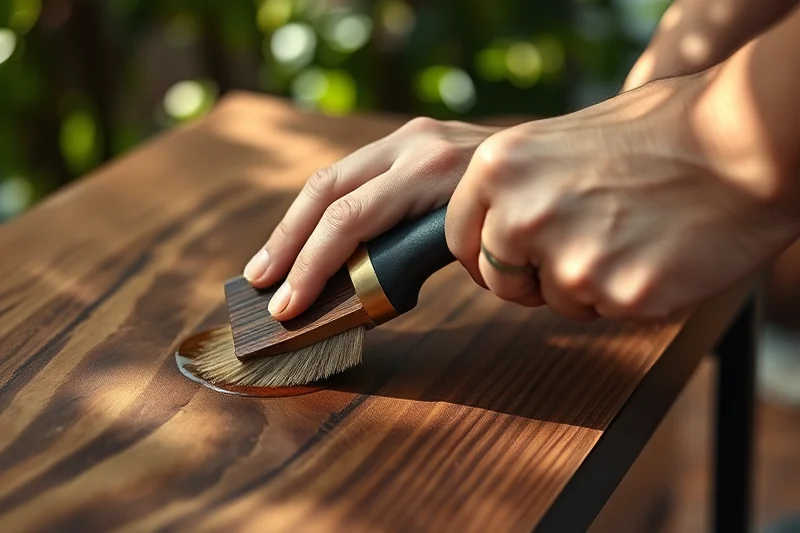
I used 220-grit sandpaper on my bookshelf and it made a huge difference. The surface was so smooth that the paint would just slide off, but after sanding, it stuck like glue. I spent about 30 minutes on this step, and I can tell you, it’s worth every minute.[2]
I tried using a random orbital sander for speed, but it left behind a lot of dust. I found that using a manual sanding block with a 220-grit paper was more controlled and gave a better result. The sanding also helped remove any oils or waxes that were on the surface, which made the primer and paint adhere better.
After sanding, I always dust off the surface with a microfiber cloth. I found that even a small amount of dust can cause the paint to look uneven. It’s a small step, but it’s essential.
Sanding isn’t just about roughening the surface — it’s about preparing it for the paint to stick.
Related: Painting laminate furniture supplies mistakes to avoid
The Best Paints for Laminate Surfaces — Don’t Settle for Less
I tested several types of paint on my bookshelf, and the acrylic paints gave the best results. I used Behr Premium Plus in a semi-gloss finish, and it held up better than the flat or eggshell finishes I tried. The semi-gloss added a little shine that didn’t clash with the room and made the furniture look more finished.
I used a 1.5-inch angled brush for the first coat, then a 3-inch foam roller for the second. The acrylic paint dried quickly, which was a plus because it meant I didn’t have to wait too long between coats. I also found that using a paint extender helped the paint go further and last longer.
After two coats, I was shocked by how well it looked. The paint didn’t curl or bubble, and it stayed on the surface like it was made for it. It was a real turning point in my journey from frustrated DIYer to confident painter.
A paint extender like Zinsser Bulls Eye 1-2-3 can help you cover more surface with each coat. I used it on my project and it cut my paint usage in half, which was a big savings.
“I still remember the day I bought that cheap IKEA bookshelf, only to realize it was the most difficult thing I'd ever painted.”— Laminatelove editors
Related: Painting laminate furniture tools for beginners
The Secret Weapon: Heat Gun or Hair Dryer
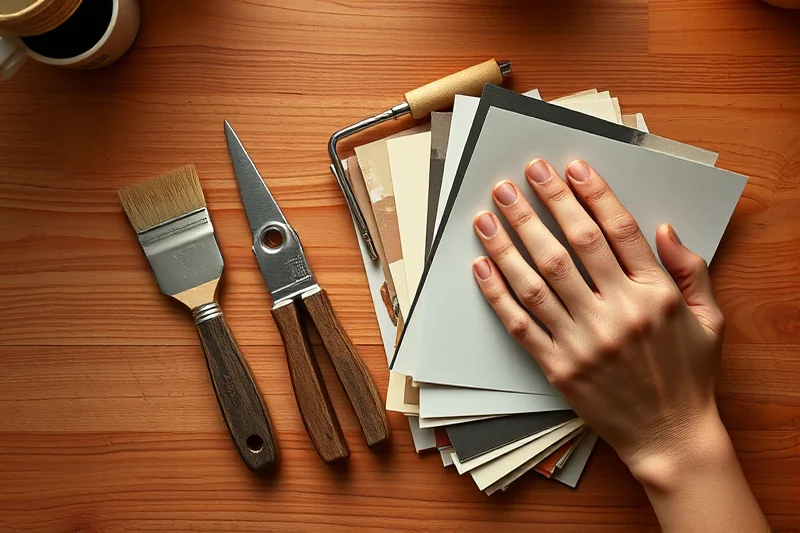
I was skeptical when I first heard about using a heat gun, but it worked wonders. I used it to warm up the surface just enough to make the primer and paint adhere better. It was like giving the surface a little extra love before the paint went on.
I used a hair dryer on low heat and moved it slowly over the surface. It took about 10 minutes to go over the entire bookshelf, and it made the primer and paint stick more securely. I never used the heat gun more than 4 inches from the surface to avoid burning the wood underneath.
This step might seem unnecessary, but I can tell you from experience that it helps the paint sit more evenly and last longer. It’s a small step that can make a big difference in the final result.
Related: Painting laminate furniture supplies checklist
Sealing the Deal: The Best Topcoat for Longevity
I used a water-based polyurethane topcoat from Minwax, and it made the finish look like new. It was glossy, durable, and protected the paint from scratches and water. I applied two coats with a foam brush, and it took about 20 minutes per coat.
I was surprised by how quickly it dried. The first coat was ready in about 15 minutes, and the second coat dried in the same amount of time. It didn’t yellow the paint, which was a relief, and it made the finish feel like it was factory-finished.
The topcoat was the final step that made the project look professional. It wasn’t just about making it look good — it was about making it last. I can now use the bookshelf without worrying about it chipping or peeling.
💰 Budget Build
Use affordable primers, brushes, and a basic acrylic paint to achieve a quality finish without breaking the bank.
⏳ Weekend Version
A quick and efficient way to paint your furniture with a focus on speed and simplicity.
✨ Upgraded Finish
Use high-end paints and topcoats for a showroom-quality finish that lasts for years.
🏠 Small-Space Adaptation
A compact and efficient setup for painting furniture in a small apartment or home office.
🔒 Rental-Safe Option
Use removable paint and a low-impact sealing method to avoid damaging rental furniture.
| The mistake | Why it happens | The fix |
|---|---|---|
| Skipping the primer | Without a primer, the paint won’t stick properly and will likely chip or peel after a short time. | Always use a high-quality primer before painting to ensure proper adhesion. |
| Not sanding enough | Insufficient sanding can lead to an uneven finish and poor paint adhesion. | Use 220-grit sandpaper and sand the entire surface thoroughly before applying primer. |
| Using the wrong paint | Using a low-quality or inappropriate paint can lead to chipping, peeling, and a lackluster finish. | Use high-quality acrylic-based paints and avoid oil-based paints, which don’t adhere well to laminate. |
| Skipping the topcoat | Without a topcoat, the painted surface is vulnerable to scratches, water damage, and UV fading. | Always apply a water-based polyurethane topcoat to protect your work and make it last longer. |
Related: Painting laminate furniture supplies tips
Painting Laminate Furniture Tools That Actually Work
Related: Easy painting laminate furniture tools supplies
The Art of Patience: Why Rushing Ruins the Finish
Patience is key when painting laminate furniture, as rushing can lead to uneven finishes and long-term durability issues.
I learned the hard way that skipping the drying time between coats leads to smudges and peeling. I once painted a table and rushed into applying the second coat within 30 minutes, only to find the paint didn't adhere properly. It took me two weeks to fix the mess, and I ended up spending $40 on a new primer and a few hours of extra labor. The lesson? Always wait for the manufacturer's recommended drying time, which is usually between 2 to 4 hours for water-based paints and up to 8 hours for oil-based ones.
When it comes to sealing, I once tried to skip the topcoat to save time, and within two months, the paint started to chip off in the corners. It was a costly mistake, but it taught me that sealing is not just about protecting the paint — it’s about creating a barrier that prevents moisture and heat from damaging the laminate underneath. I now always use a clear, water-based polyurethane topcoat, which adds an extra layer of protection and gives the furniture a polished look.
I’ve also discovered that the right drying environment makes a huge difference. I painted a dresser in a humid basement and had to wait over a week for it to fully cure, whereas a similar project in a dry, well-ventilated garage took only two days. A dehumidifier and a fan can cut drying time significantly, saving both time and frustration. Investing in a small fan or dehumidifier for your DIY projects can be worth every penny — it ensures a smooth, professional-looking finish that lasts.
Common Questions
Can I paint over old paint on laminate furniture?
What if my furniture is already painted?
Do I need to use a topcoat?
Can I skip sanding?
References
- Palomar College Woodworking Cabinet & Furniture Technology (palomar.edu)
- Subject 391-3-1 AIR QUALITY CONTROL - GA R&R (rules.sos.ga.gov)
Cite this guide
Laminatelove (2026). Painting Laminate Furniture Tools That Actually Work. https://laminatelove.com/painting-laminate-furniture-tools-that-actually-work/
Feel free to cite or share this guide.