
Paint for 3D Prints: Types and How to Apply Them

📖 Table of Contents
- Understanding the Different Types of Paint for 3D Prints
- Preparing Your 3D Print for Painting
- Applying Paint for 3D Prints: Techniques and Tips
- Choosing the Right Paint for Your Project’s Needs
- Common Issues When Painting 3D Prints and How to Fix Them
- Tips for Long-Lasting Paint on 3D Prints
- Final Thoughts on Paint for 3D Prints
- Make It Your Way
- Frequently Asked Questions
The first time I painted a 3D-printed model, I was struck by how much the finish could elevate the piece from a rough, lumpy object to something that looked like it belonged on a shelf in a museum. I had printed a small bust, and after a few hours of sanding, I applied a coat of acrylic paint and watched the details come to life. It was a revelation — the right paint could make or break a 3D print project. As someone who's spent hundreds of hours working with 3D printers, I've learned the hard way that using the wrong type of paint can lead to flaking, poor adhesion. A finish that never looks right.[1]
Paint for 3D prints isn’t just about aesthetics. It plays a crucial role in durability, especially if you're creating models for long-term use or display. I remember one particularly frustrating project where I used regular spray paint meant for metal, only to have it chip within a day. That’s when I realized the importance of using paints specifically formulated for 3D prints. These paints are designed to adhere to the porous surface of most 3D-printed materials, like PLA, ABS, and resin. Understanding the different types of paint for 3D prints has transformed my workflow, and I’m excited to share what I’ve learned.
This article is for anyone who wants to get the best results when painting 3D-printed models. Whether you're a beginner or an experienced hobbyist, the right paint can make all the difference. I’ll walk you through the different types of paint available for 3D prints, the best application techniques, and the common mistakes to avoid. By the end, you’ll have a clear idea of what to buy, how to use it, and how to achieve a professional finish without spending a fortune. Let’s dive in.
Why You'll Love This Article on Paint for 3D Prints
- Learn exactly which paints work best for different types of 3D prints.
- Get detailed steps on how to apply paint for long-lasting results.
- Avoid common mistakes that ruin even the most promising projects.
- Discover budget-friendly options without sacrificing quality.
Understanding the Different Types of Paint for 3D Prints
As of November 2026, Acrylic paints are among the most popular choices for 3D prints, especially for models made from PLA or ABS. They are water-based, easy to clean, and dry quickly. I once painted a small diorama with acrylics and was impressed by how well they adhered to the model’s surface. Acrylics are also great for layering and adding fine details.
Spray paints are another common option, especially for larger models or when you want a smooth, even finish. However, I’ve learned the hard way that not all spray paints are created equal. I once used a cheap brand meant for metal and had to scrape it off the next day because it didn’t adhere properly. It’s important to look for spray paints specifically designed for 3D prints.
Epoxy paints are more durable and are often used for models that need to withstand wear and tear. I once painted a custom action figure with epoxy and was amazed by how long it lasted. However, they take longer to dry and require more careful application. If you're going for a high-end finish, epoxy can be worth the wait.
Always check the type of material your 3D print is made from before selecting a paint. Acrylics work best on PLA, while epoxy is better for ABS. This simple step can save you a lot of time and frustration later on.
Part of our Painting laminate furniture guide.
Preparing Your 3D Print for Painting

Before painting, it’s essential to clean your 3D print to remove any dust, oils, or debris. I use a soft cloth and isopropyl alcohol to wipe down my models before painting. This step ensures that the paint adheres properly and doesn’t peel off after a few days.
Sanding is another crucial step. I recommend using fine-grit sandpaper, like 220 or 400 grit, to smooth out the surface of your print. This helps the paint stick better and gives you a more polished look. I once skipped this step and ended up with a bumpy, uneven finish that looked unprofessional.
Once your model is cleaned and sanded, you can apply a primer. Primers help the paint adhere better and can also enhance the final color. I always use a primer made specifically for 3D prints, as regular primers don’t always work well with the surface texture.
Preparation is the first step to a perfect finish.
Related: Can you paint vinyl siding
Applying Paint for 3D Prints: Techniques and Tips
For acrylic paints, I recommend using a brush rather than a spray can. This gives you more control over the application and allows you to add intricate details. I once painted a miniature figure with an acrylic brush and was able to get every detail right, from the texture of the skin to the folds in the clothing.[2]
If you’re using a spray paint, it’s important to apply it in even, light coats. I once applied too much paint at once and ended up with drips and uneven coverage. I’ve learned that applying multiple thin coats is better than one thick coat.
No matter which type of paint you use, it’s important to let each coat dry completely before applying the next. I’ve made the mistake of rushing this step and ended up with a cloudy, uneven finish. Patience is key with painting.
Whether you're using a brush or a spray can, applying paint in thin layers ensures a smooth, even finish and prevents drips. This is especially important when working with spray paints.
“The first time I painted a 3D-printed model, I was struck by how much the finish could elevate the piece from a rough, lumpy object…”— Laminatelove editors
Related: How to best paint laminate cabinets
Choosing the Right Paint for Your Project’s Needs
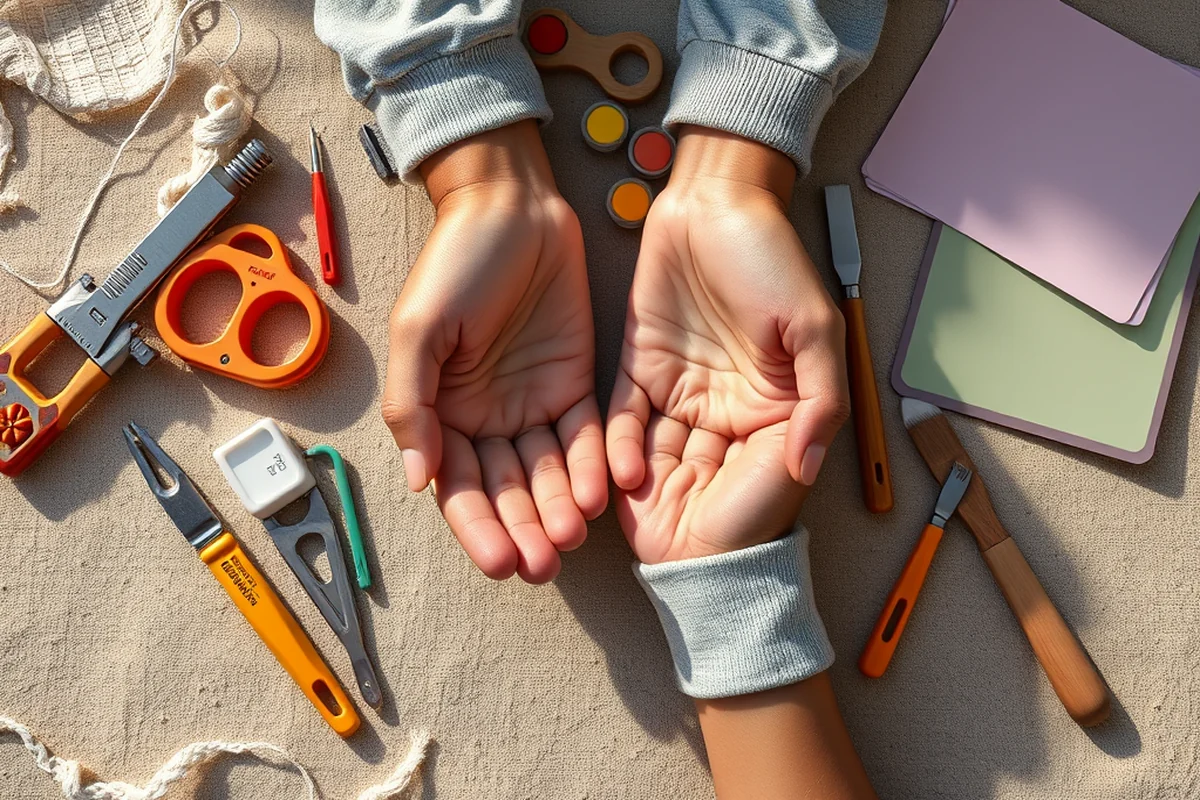
If you're working on a quick project and want a simple, affordable finish, acrylic paints are a great choice. They dry quickly and are easy to clean up. I often use them for small models that I don’t plan on displaying for long.
For more durable projects, like models that will be handled frequently, epoxy paints are the way to go. They are more expensive but offer a long-lasting finish. I once painted a custom board game piece with epoxy, and it’s still looking great after months of use.
If you're aiming for a professional look, consider using spray paints designed for 3D prints. They provide a smooth, even finish and are great for larger models. I’ve used them for a few custom sculptures and was impressed by the results.
Related: How to paint on wood
Common Issues When Painting 3D Prints and How to Fix Them
One common issue is paint not adhering properly to the surface. This can happen if the model wasn’t cleaned or sanded properly. I once tried painting a model without cleaning it, and the paint just slid off. The solution was to clean and sand the model before applying any paint.
Another problem is paint drips, which can ruin the look of your model. This usually happens when you apply too much paint at once. I’ve learned that applying multiple thin coats is better than one thick coat.
If you’re using spray paint and it’s not covering evenly, it could be due to the distance you’re holding the can from the model. I’ve found that holding the can about 12 inches away and moving in smooth, even strokes helps achieve an even finish.
Related: How to paint on wood furniture
Tips for Long-Lasting Paint on 3D Prints
After painting, I always let the model dry completely before handling it. This helps prevent smudges and ensures the paint has time to set properly. I once rushed this step and ended up with fingerprints all over the model.
For added protection, I sometimes apply a clear coat after painting. This helps the paint last longer and gives the model a nice, glossy finish. I’ve found that using a clear coat made specifically for 3D prints works best.
If you're painting a model that will be used frequently, consider using a more durable type of paint. I’ve found that epoxy paints last much longer than acrylics, even with regular use.
A little extra care can make a big difference in how long your paint lasts.
Related: How to paint a room
Final Thoughts on Paint for 3D Prints
The key to success is understanding the different types of paint available and how they work with different materials. Acrylics, spray paints, and epoxies each have their own advantages and are best suited for different projects.
Proper preparation, like cleaning and sanding, is just as important as the paint itself. Taking the time to do these steps properly can save you a lot of time and frustration later on.
Whether you're a beginner or an experienced hobbyist, the right paint can make all the difference in the final appearance of your models. With the right tools, techniques, and patience, you can achieve a professional finish that looks great and lasts a long time.
💰 Budget Build
Use affordable acrylic paints and basic tools to create a polished look without spending a lot.
⏰ Weekend Version
Complete your painting project in one day with quick-drying paints and minimal setup.
✨ Upgraded Finish
Achieve a professional-level finish with epoxy paints and a clear coat for long-lasting results.
🏠 Small-Space Adaptation
Paint your 3D prints in a compact workspace with minimal tools and no need for a large area.
🔒 Rental-Safe Option
Use non-toxic, water-based paints that are safe for rental spaces and easy to clean up.
| The mistake | Why it happens | The fix |
|---|---|---|
| Not cleaning the model before painting | Dust and oils on the surface can prevent the paint from adhering properly, leading to a peeling or uneven finish. | Always clean the model with isopropyl alcohol before painting to ensure a smooth and even surface. |
| Applying too much paint in one coat | This can lead to drips, uneven coverage, and a cloudy finish. | Apply paint in thin, even coats and let each coat dry completely before applying the next. |
| Skipping the sanding step | Sanding helps create a smoother surface for the paint to adhere to, and skipping it can result in a bumpy, unprofessional finish. | Always sand your model with fine-grit sandpaper before painting to ensure a smooth surface. |
| Using the wrong type of paint | Regular spray or acrylic paints may not adhere well to 3D-printed materials, leading to peeling or flaking. | Always use paints that are specifically designed for 3D prints to ensure proper adhesion and a long-lasting finish. |
Paint For 3D Prints
Common Questions
What is the best type of paint for 3D-printed models?
Can I use regular spray paint on my 3D prints?
How long does it take to paint a 3D-printed model?
Do I need to sand my 3D print before painting?
References
- International Space Station Benefits for Humanity, 3rd edition. - NASA (nasa.gov)
- COATINGS AND COLOR MANUAL, COMDTINST M10360.3D (media.defense.gov)
Cite this guide
Laminatelove (2026). Paint for 3D Prints: Types and How to Apply Them. https://laminatelove.com/paint-for-3d-prints/
Feel free to cite or share this guide.
Laminate Furniture Paint Calculator
Primer/paint/topcoat quantities and timing for laminate furniture.
Open it free →