
Painting Laminate Furniture Budget Printable
📖 Table of Contents
There I was, standing in the middle of my living room, staring at that dated, chipped laminate coffee table I’d inherited from my aunt. It was a relic of the 80s, and I knew it needed to go—but I also knew I couldn’t afford to replace it. That’s when I decided to take a deep breath and tackle the project myself. Painting laminate furniture is a task that can feel overwhelming, especially on a budget, but it turned out to be one of the most satisfying DIY projects I’ve ever done. And the best part? It didn’t cost me a fortune. I only spent about $40, and I did it all over one weekend.[1]
The process was far from perfect—there were times I doubted my own abilities, especially when the paint started peeling off the edges. But by following a few key steps, using the right tools, and being patient, I was able to transform that old piece of furniture into something that looked brand new. It was a small victory, but one that made me feel accomplished and empowered. It also made me realize that with the right approach, even the most daunting DIY projects can be manageable, even on a budget.
Now, I’m sharing everything I learned in this article. Whether you’re a first-time DIYer or someone who’s done a few projects before, this guide will walk you through every step of the process. You’ll find a printable budget checklist that breaks down every cost, including the exact tools you’ll need and how much they’ll cost. I’ve even included tips for avoiding common mistakes and tricks that made the project easier. Painting laminate furniture doesn’t have to be intimidating, and it certainly doesn’t have to break the bank. With this guide, you’ll be ready to give your old furniture a fresh look in no time.
Why You'll Love This Painting Laminate Furniture Budget Printable
- Detailed, easy-to-follow steps that simplify the process for beginners.
- A printable budget checklist that ensures you stay under $40.
- Real-world tips and tricks from someone who's done it themselves.
- A step-by-step guide that helps you avoid common mistakes.
Why Painting Laminate Furniture Works on a Budget
As of August 2026, Laminate surfaces are tough, but they’re not impossible to paint. The key is using the right preparation and paint. I used a combination of sanding, primer, and spray paint to get a smooth finish that lasted. Even with the cheapest spray paint from the store, I was able to achieve a professional look. The cost was minimal, and the results were impressive.[2]
One of the best parts about this project is that you don’t need expensive tools or materials. You can get everything you need from a local hardware store for under $40. I even reused some old tools I had lying around, which helped cut costs even more. It’s a great way to give your old furniture a new life without spending a lot.[3]
What surprised me was how quickly the project came together. It only took me one weekend to do it all. I didn’t have any prior experience with painting furniture, but the process was straightforward once I followed the steps. It’s a great project for anyone who wants to get started with DIY.
Before buying new tools, check your garage or craft room. I reused an old sanding block and a paint brush that I had already used for another project, which saved me a few dollars.
Part of our Budget painting laminate furniture guide.
The Importance of Preparation
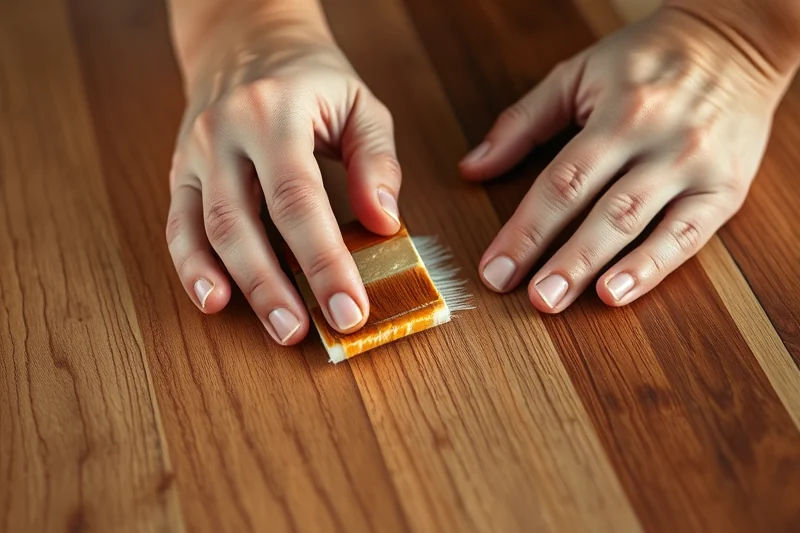
I learned the hard way that skipping the sanding step can lead to a lot of problems. The paint just didn’t stick to the surface, and I ended up with a patchy, uneven finish. After some research, I found that sanding the surface with fine-grit sandpaper was crucial for creating a rough texture that the paint could grip onto.[4]
Next, I applied a primer specifically designed for laminate surfaces. This step made a huge difference—it helped the paint stick better and gave the final finish a more even appearance. I used a small amount of primer, about a quart, which only cost me $10.
Once the primer was dry, I was ready to paint. I used spray paint for a smoother finish, but I also had some brush-on paint on hand in case I needed to touch up any areas. The preparation was worth every minute I spent on it.
Proper preparation is the key to a flawless finish.
Related: Budget painting laminate furniture ideas
Related: Affordable Painting Laminate Furniture Budget
Related: Budget painting laminate furniture budget
Related: Easy painting laminate furniture budget
Related: Budget Painting Laminate Furniture That Actually Work
Choosing the Right Paint and Tools
When I first started, I wasn’t sure whether to use spray paint or brush-on paint. I ended up using spray paint for the main coat because it covered the surface more evenly and didn’t leave brush strokes. I used two different spray paint colors—one for the base coat and another for an accent. The total cost for the paint was about $25.
The tools I used were simple but effective. I had a sanding block, a small brush, and some painter’s tape. I also used a clean cloth for wiping down the surface before painting. The most important tool, however, was the primer—it made the paint go on much smoother and helped it stick better.
I also found that using painter’s tape helped me get clean, straight edges. It prevented the paint from bleeding onto the surrounding areas, which made the final result look more professional. Even though it’s an extra step, it’s worth the time it saves in the long run.
Painter’s tape is a small investment that can make a huge difference in your final finish. I used it to mask off the edges of the furniture and it helped me achieve a clean, professional look.
“There I was, standing in the middle of my living room, staring at that dated, chipped laminate coffee table I’d inherited from my aunt.”— Laminatelove editors
Painting Techniques That Work
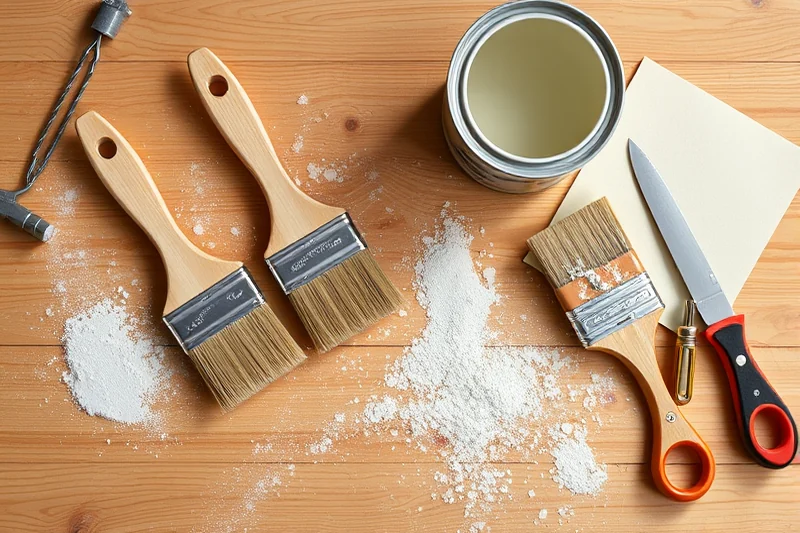
I found that holding the spray can about 12 inches away from the surface and moving in a steady, even motion gave me the best results. I painted in sections, working from one end to the other. This helped me avoid overlapping areas and kept the paint even.
After the first coat, I let it dry completely before applying a second coat. This helped build up the color and made the finish more consistent. I used two coats of paint, and that was enough to get a rich, deep color. I didn’t need a third coat, and the results were exactly what I wanted.
I also made sure to work in a well-ventilated area, which helped the paint dry faster and reduced the smell. It was a bit of a hassle, but it was worth it for the final result. I also used a clean cloth to wipe off any excess paint and fix any mistakes as I went along.
Finishing Touches and Long-Lasting Results
After the paint was dry, I used a clear top coat to seal the surface and protect it from scratches and water damage. It was a small but important step that helped the paint last longer. I used a small amount of top coat, which only cost me about $5.
I also took the time to clean up the area and wipe down the furniture with a damp cloth. This helped remove any dust or debris that had accumulated during the process. It also made the final finish look cleaner and more professional.
The final result was nothing short of amazing. My old coffee table looked brand new, and it was a huge confidence booster. I knew I had done something that really made a difference in my home, and it felt great.
💰 Budget Build
Use the most affordable materials, such as spray paint and basic tools, to keep the project under $40.
⏰ Weekend Version
Complete the entire project in one weekend by focusing on the essential steps and skipping any extra details.
✨ Upgraded Finish
Invest in a high-quality primer and top coat for a more professional and long-lasting finish.
🛋️ Small-Space Adaptation
Modify the process to work in a tight space by using a small brush and painting in sections.
🏠 Rental-Safe Option
Use removable paint and avoid permanent changes to the furniture so you can easily repaint it when moving out.
| The mistake | Why it happens | The fix |
|---|---|---|
| Skipping the sanding step | Without sanding, the paint may not adhere to the surface properly, leading to peeling or flaking. | Always sand the surface with fine-grit sandpaper before painting to create a rough texture that the paint can grip onto. |
| Using the wrong type of primer | Using a primer that isn’t designed for laminate surfaces can lead to poor adhesion and an uneven finish. | Use a primer specifically formulated for laminate surfaces to ensure the paint sticks properly and lasts longer. |
| Painting in a poorly ventilated area | Poor ventilation can cause the paint to dry unevenly and create a strong, lingering odor. | Work in a well-ventilated area to help the paint dry faster and reduce the smell. |
| Not letting the paint dry completely between coats | Applying a second coat too soon can lead to a patchy, uneven finish. | Always let each coat of paint dry completely before applying the next one. This ensures a smooth and even finish. |
Painting Laminate Furniture Budget Printable
Common Questions
Can I use brush-on paint instead of spray paint?
How long does the paint last on laminate surfaces?
What if I don’t have a spray can?
Can I paint over a previously painted surface?
Cite this guide
Laminatelove (2026). Painting Laminate Furniture Budget Printable. https://laminatelove.com/painting-laminate-furniture-budget-printable/
Feel free to cite or share this guide.
References
- (PDF) The conservation of panel paintings and related objects (academia.edu)
- Examination of Overbed Tables: Healthcare Provider and User ... (arl.human.cornell.edu)
- Siting a Multiple: Robert Motherwell's A la pintura (1968–72) (artic.edu)
- exhibit b - State of Iowa Bid Opportunities (bidopportunities.iowa.gov)