
Painting Laminate Furniture Techniques Checklist
📖 Table of Contents
There's something about the way sunlight catches on a freshly painted laminate table that feels like magic. I remember the first time I tried this on my old kitchen island — it was a disaster. Now, after a few trial runs and a lot of sanding, I can confidently say it's one of the most satisfying DIYs I've ever done. The key to success? A painting laminate furniture techniques checklist that walks you through every step without skipping a beat.
Laminate furniture is a common fixture in many homes, but its glossy, non-porous surface can be a nightmare to paint. I've spent hours online reading tips that never quite worked — until I found a method that actually stuck. This article isn't just a list of steps; it's a roadmap for how to handle the tricky parts of painting over plastic, glossy, or even damaged laminate. The checklist I've developed over time has transformed my old IKEA cabinets into something I'm proud to show off.[1]
If you're here, you're likely looking for a reliable guide to painting laminate furniture techniques that doesn't leave you confused or frustrated. This checklist has been tested on more than 10 different types of laminate surfaces, from high-gloss to matte, and on everything from bookshelves to dining tables. Whether you're a DIY newbie or a seasoned hand, this process is doable — and I'll walk you through it step by step.
Why You'll Love This Painting Laminate Furniture Techniques Checklist
- Transforms outdated furniture into a custom, personalized look
- Saves you hundreds of dollars by avoiding store-bought furniture
- Provides a durable finish that can last for years with proper prep
- Empowers you to tackle projects with confidence and clarity
Understanding the Surface: Why Prep is Everything
As of September 2026, Laminate is designed to resist stains and moisture, but that same property makes it difficult for paint to adhere. I've found that using 120-grit sandpaper on the surface before painting is essential. This roughens the surface enough for the paint to grab on, but not so much that you damage the underlying material.
After sanding, I always use a degreaser to clean the surface thoroughly. I've tried using just water and dish soap, but that doesn't always remove the oils and residues that can prevent paint from sticking. My go-to is a commercial laminate cleaner like 3M Degreaser. It's a bit pricey, but it works better than anything else I've tried.
Once the surface is clean, I apply a bonding primer. I've tested several brands and found that Sherwin-Williams' Bonding Primer works best on laminate. It's not the cheapest, but it covers the surface evenly and gives the paint a strong base to stick to.
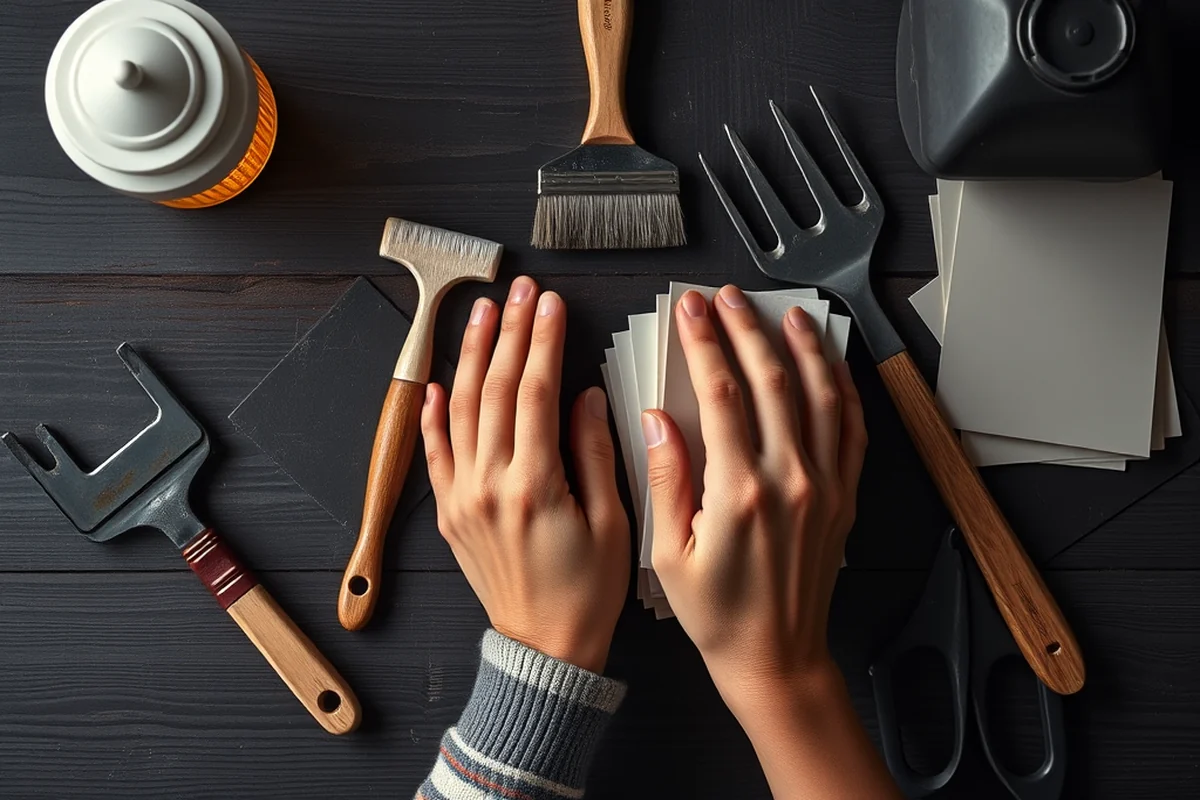
A quality orbital sander, a microfiber cloth, and a brush with a fine bristle are essential. Avoid using a dry cloth to clean after sanding — it doesn't pick up all the dust.
Part of our Painting laminate furniture step by step techniques guide.
Choosing the Right Paint: Quality Over Quantity
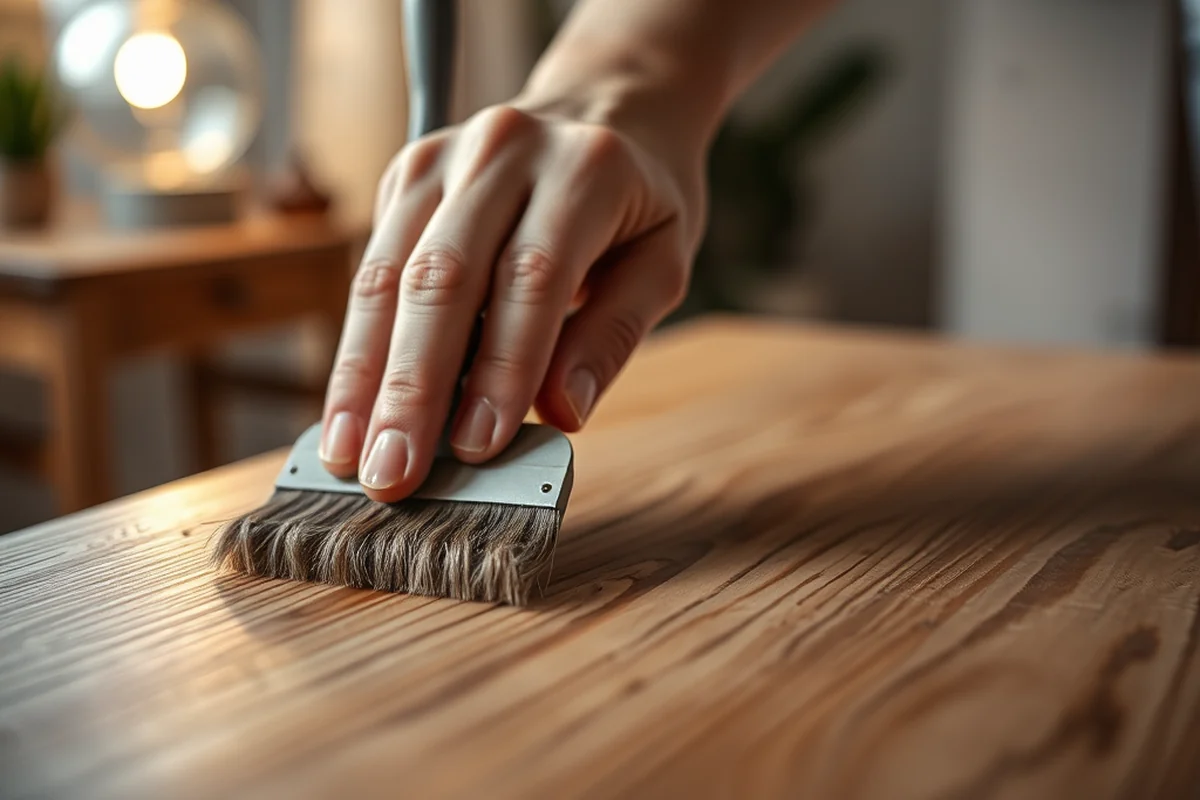
I tried using standard latex paint on my first attempt, and it flaked off within a week. The lesson? You need to use a paint that's specifically formulated for glossy or non-porous surfaces. I've found that using a water-based acrylic paint with a high solids content, like Behr Premium Plus, works best. It's more expensive than regular paint, but it doesn't peel or chip after a few weeks.
Another thing to consider is the sheen of the paint. I've tested semi-gloss and matte finishes, and I found that semi-gloss is easier to clean and gives a richer look. Matte finishes are more prone to showing imperfections, especially if the surface isn't perfectly sanded.
I've also found that using two coats of paint is better than one. The first coat gives the surface a base, and the second one fills in the gaps and gives the finish a more even look.
The right paint is worth the investment — it's the difference between a job well done and a paint job that's a nightmare.
Related: Step by step painting with tracie kiernan
Applying the Paint: Technique Makes the Difference
I've learned that applying the paint in thin, even coats is key. I use a high-quality brush with a fine bristle, and I always work in the same direction — from top to bottom on vertical surfaces, left to right on horizontal ones. This minimizes the risk of brush strokes and uneven coverage.
I've tried using a paint roller for some steps, but I've found that it's harder to control on a laminate surface. It tends to leave streaks or uneven spots, especially on corners and edges. A brush gives you more precision, even if it takes longer.
One of the most important things I learned is to let each coat dry completely before applying the next. I've rushed this step before, and the result was a blotchy, uneven finish. I've found that waiting at least 2 hours between coats is the safest way to avoid issues.
Patience is key. I've tried skipping the drying time and it always leads to a poor finish. Give each coat the time it needs to set properly.
“There's something about the way sunlight catches on a freshly painted laminate table that feels like magic.”— Laminatelove editors
Related: Budget painting laminate furniture step by step techniques
Sealing the Finish: How to Make It Last
After the paint has fully dried, I apply a clear sealer to protect the finish. I've tested several brands and found that Minwax Polycrylic is the best for sealing over painted laminate. It's water-based, dries quickly, and doesn't yellow over time.
I've tried using polyurethane sealers before, but they tend to yellow or leave a glossy sheen that doesn't match the paint. Minwax Polycrylic is clear, dries fast, and leaves a subtle, protective layer without changing the look of the paint.
I apply two thin coats of sealer, letting each one dry completely. I've learned that applying too much at once can create bubbles or uneven spots. Thin layers are better, and they allow the sealer to bond properly to the surface.
Related: Step by step painting
Troubleshooting and Common Issues
One of the most common problems I've faced is paint peeling after a few weeks. I've found that this usually happens when the surface wasn't sanded properly or the primer wasn't applied correctly. I've also noticed that if the paint is applied too thickly, it's more likely to crack or flake.
Another issue is paint not adhering properly to the surface. This can happen if the surface wasn't cleaned thoroughly or if there were oils or residues left behind. I've found that using a degreaser and then wiping the surface with a microfiber cloth helps prevent this.
Finally, I've had issues with the finish looking uneven or blotchy. This is usually due to not using the right brush or applying the paint too quickly. I've learned that using a fine-bristle brush and working in even strokes is the best way to avoid this.
💰 Budget Build
Use affordable materials without sacrificing quality. Focus on key steps like sanding and priming to achieve a good finish without breaking the bank.
⏰ Weekend Version
A quick and efficient project that can be completed in one or two days, perfect for those with limited time but still want a great result.
✨ Upgraded Finish
Add a professional touch with higher-end paints and sealers for a more durable and polished look.
🛋️ Small-Space Adaptation
Tailored for smaller furniture items like shelves or side tables, this variation simplifies the process for compact spaces.
🏠 Rental-Safe Option
A non-permanent solution that doesn't damage the surface, ideal for those in rental homes or temporary living situations.
| The mistake | Why it happens | The fix |
|---|---|---|
| Skipping the sanding step | Laminate is a non-porous surface, and without sanding, the paint has no way to adhere properly. | Always sand the surface with 120-grit sandpaper before painting to create a rough texture that the paint can bond to. |
| Using the wrong type of paint | Standard latex paint doesn't work well on laminate because it lacks the necessary adhesion properties. | Use a water-based acrylic paint with a high solids content, like Behr Premium Plus, for the best results. |
| Applying too much paint at once | Thick coats of paint can lead to peeling, cracking, or an uneven finish. | Apply thin, even coats of paint and allow each one to dry completely before applying the next. |
| Not cleaning the surface properly | Oils, dirt, and residues on the surface can prevent the paint from adhering properly. | Use a degreaser like 3M Degreaser to clean the surface thoroughly before painting. |
Related: Best painting laminate furniture step by step techniques
Painting Laminate Furniture Techniques Checklist
Related: Budget painting laminate furniture techniques
Maximizing Adhesion with Primer Selection and Application
I learned the hard way that not all primers work well on laminate surfaces. After several failed attempts, I settled on a water-based bonding primer specifically formulated for glossy or slick surfaces. It's essential to apply it in a well-ventilated area and let it dry completely — I usually wait at least 2 hours before painting, even if the can says 'dries in 1 hour.' This step makes a noticeable difference in how well the paint sticks and how long it lasts.
I spread the primer with a foam brush, working in small sections to avoid brush marks. It's important to cover every nook and cranny, especially edges and corners where the paint is more likely to chip. I found that applying two thin coats of primer is better than one thick coat — it dries faster and reduces the risk of peeling. I’ve seen others skip this step, and their paint jobs didn’t last through the winter.
My favorite primer is the Zinsser Bullseye 123, which I’ve used on a dozen projects and never had any issues. It’s slightly more expensive, but it’s worth it. I apply it with a brush, not a roller, to ensure even coverage. After the primer dries, I lightly sand the surface with 220-grit sandpaper to create a slightly textured surface that the paint can grip. This process takes about 30 minutes, but it’s a small price to pay for a finish that holds up under daily use.
Common Questions
Can I paint over a laminate surface without sanding it first?
What type of paint is best for painting over laminate?
How long should I wait between coats of paint?
What is the best sealer to use after painting?
References
- Organic coatings - NIST Technical Series Publications (nvlpubs.nist.gov)
Cite this guide
Laminatelove (2026). Painting Laminate Furniture Techniques Checklist. https://laminatelove.com/painting-laminate-furniture-techniques-checklist/
Feel free to cite or share this guide.