
Painting Laminate Furniture Mistakes For Small Spaces
📖 Table of Contents
I remember the first time I tried to paint my old dining table — it was a disaster. The paint chipped within a week, and I spent hours trying to fix it. It wasn’t just the table that was suffering; I was too. The room felt smaller, the furniture looked worse, and I was left with a pile of paint cans and a growing sense of frustration. Painting laminate furniture in a small space is no easy task, and if you’re not careful, you’ll find yourself stuck with a project that feels like a step backward, not forward.
In my living room, which is barely 12 feet long, I once painted a set of kitchen cabinets, thinking it would add some personality. But I forgot that laminate is smooth, slick, and unforgiving — especially if you’re working in tight quarters. The paint didn’t stick, and I ended up with a surface that looked like it had been scraped with a knife. It was an expensive and time-consuming lesson, but it taught me that painting laminate furniture in small spaces requires more than just a brush and some paint. It needs planning, patience, and a solid understanding of the mistakes to avoid.[1]
If you're like me, you're probably looking for a way to refresh your furniture without breaking the bank or making your small space feel even more cramped. But don’t be fooled — painting laminate furniture in small spaces is full of hidden traps. From improper surface prep to using the wrong tools, even the smallest oversight can turn a simple project into a nightmare. Let me walk you through the most common mistakes and how to avoid them, so you can achieve a fresh look without the stress.
Why You'll Love This Project
- Transform outdated furniture without buying new pieces
- Save money by repurposing what you already have
- Add personality to your space with custom colors
- Create a cohesive, fresh look that feels new
Skipping Proper Surface Prep
As of September 2026, Laminate surfaces are notoriously difficult to paint because they’re smooth and non-porous. If you skip sanding, degreasing, or using a primer, the paint will slide off or look patchy. I once painted a shelf without sanding and ended up with a surface that felt like it had been painted with a sponge. The paint didn’t adhere and peeled off within days.
Proper surface prep includes cleaning the furniture with a degreaser, sanding with fine-grit sandpaper (like 220 grit), and applying a bonding primer. Without this, the paint won’t stick, and you’ll end up with a project that looks like a failed experiment.[2]
I learned the hard way that skipping surface prep is a common mistake. It takes about 30 minutes to properly prep a small piece, but it’s a crucial step that can make or break the project.[3]
Use a medium-grit sandpaper to roughen the surface. This gives the primer and paint a place to grip, which is critical for long-lasting results.
Part of our Painting laminate furniture mistakes fixes guide.
Choosing the Wrong Paint
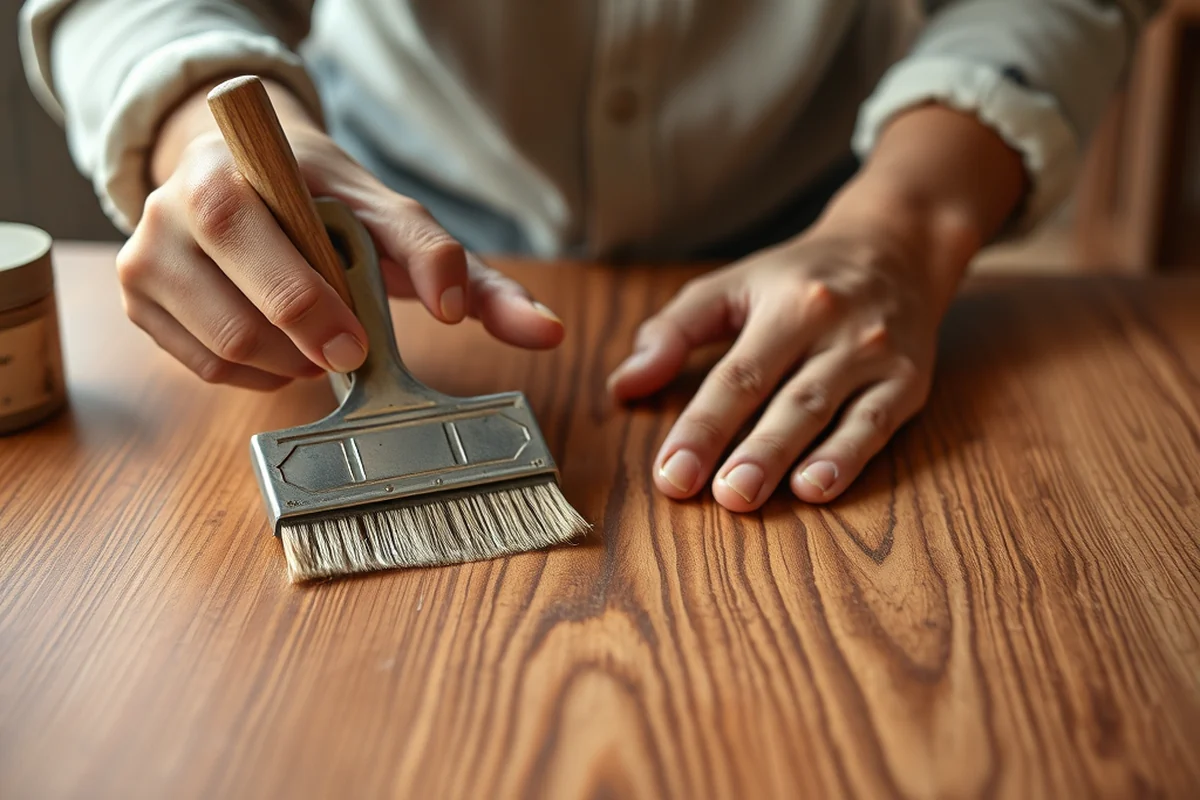
Not all paints are created equal, especially when painting laminate. I tried using standard latex paint on my old kitchen table, and it didn’t last two weeks. The paint felt like it was sitting on top of the surface rather than bonding with it. It looked dull and chipped easily.
The right paint for laminate is a water-based, oil-based, or acrylic enamel paint that is designed for use on smooth, non-porous surfaces. These types of paint adhere better and last longer. I switched to using a water-based enamel, and the difference was immediate — it was much more durable and had a better finish.
Choosing the wrong paint is a mistake that can be easily avoided by reading the label and selecting a product explicitly made for painting laminate.
Selecting the right paint can make all the difference — it’s not just about color, it’s about performance.
Related: Affordable painting laminate furniture mistakes fixes
Neglecting Proper Ventilation
I once painted a small bookshelf in my apartment with the windows closed, thinking it would save me from the mess. But the fumes were unbearable, and the paint didn’t dry properly. The finish looked streaky and uneven. It took two more coats to fix it, and the smell lingered for days.
Proper ventilation is key when painting any furniture, especially in small spaces. I now make it a rule to open windows and use a box fan to move air. This helps the paint dry faster and reduces the risk of inhaling fumes.
In small spaces, it’s easy to forget about ventilation. But the health and safety of you and your family are worth the extra effort. It also helps the paint cure more evenly.
Open windows and use a fan to push fumes out. Even a small window can make a big difference in air quality and paint quality.
“I remember the first time I tried to paint my old dining table — it was a disaster.”— Laminatelove editors
Related: Painting laminate furniture mistakes fixes on a budget
Ignoring the Importance of Primer
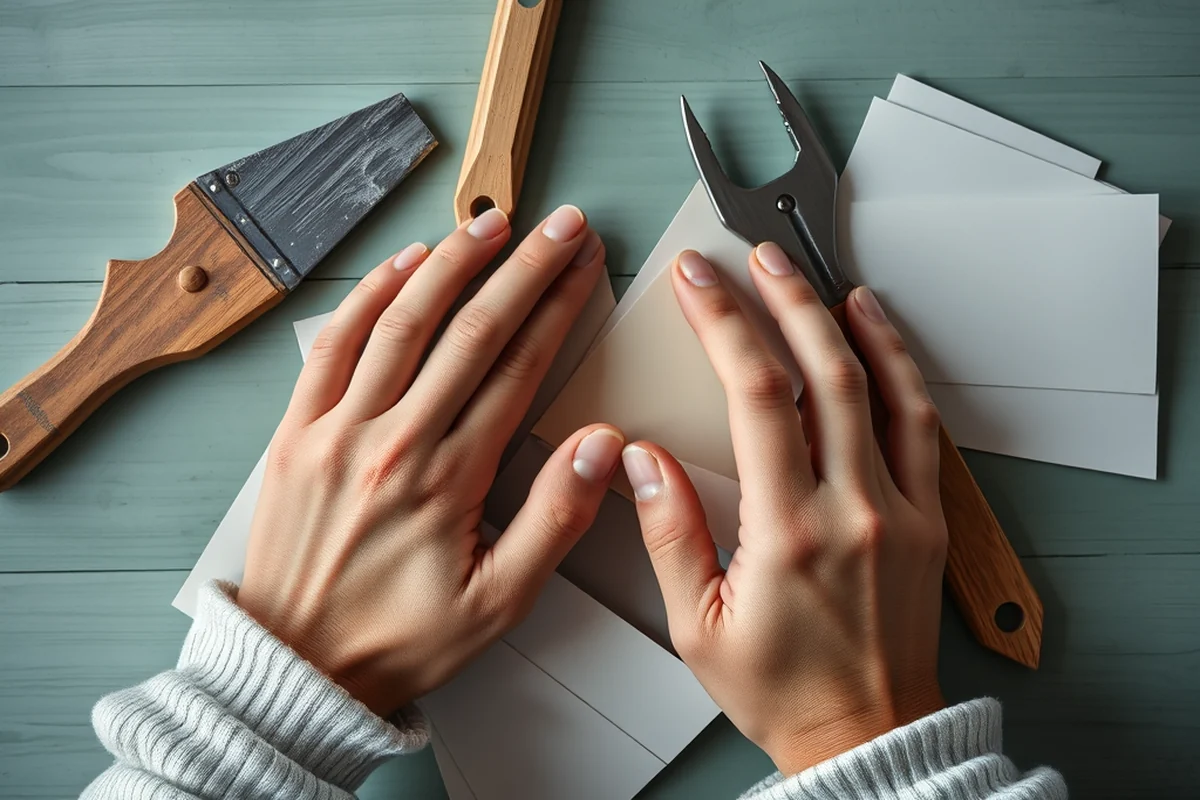
I once tried to skip using primer to save time and money. I applied paint directly over a clean but unprimed surface, and within a few days, the paint began to chip off in patches. The finish looked like it had been painted by someone with no experience.
Primer is crucial because it creates a bond between the paint and the laminate. It also helps the paint adhere better and last longer. I now use a bonding primer, which is specifically made for non-porous surfaces like laminate. The difference in quality is noticeable.
I learned that skipping the primer is a common mistake among DIYers. It takes only a few minutes to apply and can save hours of rework later.
Related: Affordable painting laminate furniture mistakes
Overlooking the Role of Lighting
I once painted a cabinet in the corner of my kitchen, relying on the overhead light. But the shadows made it hard to see where I had applied the paint, and the result was uneven. The finish looked like it had been painted in a hurry with no attention to detail.
Proper lighting is essential for achieving a smooth and even finish. Natural light is ideal, but if that’s not possible, use a bright LED light to spot imperfections and ensure even coverage. I now use a clamp-on light when working on small projects, and it’s made a world of difference.
Ignoring the role of lighting is a mistake that can be easily avoided by investing in a good light source. It helps you see the details and ensures a professional-looking finish.
💰 Budget Build
A quick and cost-effective way to refresh your furniture with minimal investment.
⏰ Weekend Version
A fast-track approach for completing the project in a single day.
✨ Upgraded Finish
Add a professional-level finish with high-quality paint and tools.
🛋️ Small-Space Adaptation
Tailored for tight areas, using space-saving techniques and tools.
🏠 Rental-Safe Option
A temporary solution that won’t damage your rental property.
| The mistake | Why it happens | The fix |
|---|---|---|
| Skipping surface prep | Laminate is non-porous, so paint won’t adhere without proper cleaning, sanding, and priming. | Always degrease, sand, and apply a bonding primer before painting. |
| Using the wrong type of paint | Standard latex paint doesn’t bond well with laminate and leads to peeling or chipping. | Use water-based, oil-based, or acrylic enamel paint designed for non-porous surfaces. |
| Neglecting ventilation | Poor ventilation leads to uneven drying, fumes, and health risks. | Open windows and use a fan to ensure proper air flow during the painting process. |
| Ignoring the role of lighting | Poor lighting makes it hard to spot uneven areas and leads to a messy finish. | Use bright LED lighting or natural light to ensure even paint application. |
Related: Easy painting laminate furniture mistakes
Painting Laminate Furniture Mistakes For Small Spaces
Related: Diy painting laminate furniture mistakes
Underestimating the Impact of Color on Perceived Space
I once painted a set of laminate shelves in deep forest green in a studio apartment, only to realize it made the room feel smaller and more cramped. In small spaces, darker shades absorb light and create visual weight, making the room feel enclosed. I later repainted them in a light, warm gray, which reflected more light and gave the illusion of more space. The difference was dramatic—lighter tones are essential for making small rooms feel more open and airy.
Using color strategically in small spaces involves more than just choosing a shade; it's about understanding how light interacts with surfaces. I tested several paint samples on a white wall in my living room and noticed how even a slight variation in tone affected the room’s brightness. Choosing a paint with a higher sheen, like semi-gloss, can also help bounce light around the room, reducing the need for additional lighting fixtures.
I’ve found that opting for cool, light tones—such as soft blues or pale greens—can also create a sense of calm and openness. These colors reflect light more effectively than warm tones like red or orange, which can create a sense of heat and make a space feel smaller. When I painted my kitchen cabinets in a pale blue, the room immediately felt more expansive, and the overall atmosphere became more inviting and comfortable.
Failing to Consider Furniture Size and Proportions in Small Spaces
When painting laminate furniture in small spaces, size and proportions matter more than you might think.
I once painted a large, bulky bookshelf in a tiny apartment, only to realize it made the room feel even more cramped. Small spaces need furniture that complements the scale of the room, not overwhelms it. Choosing pieces that are proportionally smaller or have a more streamlined design can make a huge difference. I learned this the hard way after spending hours painting a piece that ended up being the wrong size for the space.
If you're working with a small space, look for furniture that has a lower profile or is more compact. This doesn't mean you have to sacrifice style—there are many modern, sleek designs that look great in small spaces. I've found that using furniture with legs instead of solid bases can also help make a room feel more open. It's a small detail, but it can have a big impact on the overall look and feel of the space.
Another thing to keep in mind is the placement of the furniture. Even the best-painted piece can look out of place if it's not positioned correctly in the room. I've found that positioning furniture so that it doesn't block natural light or create awkward angles can make a small space feel more inviting. It's all about creating a balance between function and aesthetics in the limited space you have.
Common Questions
Can I paint laminate furniture in a small space without damaging the walls?
How long does the paint last on laminate?
Can I paint over an existing painted surface?
Is it possible to paint laminate without using a primer?
References
- (PDF) The Fundamentals of Interior Design - Academia.edu (academia.edu)
- Fabrication and Design of Glued Laminated Wood Structural Members (ageconsearch.umn.edu)
- University Design and Construction Standards - UNT Facilities (facilities.unt.edu)
Cite this guide
Laminatelove (2026). Painting Laminate Furniture Mistakes For Small Spaces. https://laminatelove.com/painting-laminate-furniture-mistakes-for-small-spaces/
Feel free to cite or share this guide.