
Painting Laminate Furniture Mistakes Fixes Printable
📖 Table of Contents
I remember the first time I tried painting my old laminate kitchen table — it looked promising at first, but by the second day, the paint was peeling like it had never touched the surface. I was frustrated, but I wasn’t ready to give up. That’s when I realized how many people, including myself, make the same mistakes when trying to paint laminate furniture. It’s not just about choosing the right paint; it’s about preparation, technique, and knowing which mistakes to avoid. The good news? With a few simple fixes, you can transform your furniture without the headaches.
Painting laminate furniture can be a rewarding DIY project, but it's also a minefield of common pitfalls. From using the wrong primer to skipping sanding entirely, each mistake can derail your progress. I've tried nearly every method under the sun — from using spray paint to experimenting with different primers — and I've documented which ones work and which ones don’t. This guide is the result of that experience, and it's packed with actionable tips to help you avoid the most common mistakes when painting laminate furniture.
One of the things I love most about this project is that it’s not just about aesthetics; it’s also about practicality. A properly painted laminate surface can last for years with the right care and preparation. I’ve seen people spend hours and even hundreds of dollars on failed attempts, only to find out that the solution was simple — like using the right primer or allowing enough drying time. This article is designed to help you make the most of your time and money by giving you a clear path to success, all while avoiding the most common mistakes that can ruin your project.
Why You'll Love This Painting Guide
- Avoid the most common mistakes that lead to peeling or chipping paint.
- Get step-by-step fixes that are easy to implement and highly effective.
- Save time and money by learning from real DIYers who have tried and tested these methods.
- Download a printable guide to refer back to anytime you need a refresher.
Why Primer is the Most Important Step You Can Take
As of September 2026, Laminate surfaces are notoriously slippery, and paint won’t stick unless you give it a proper grip. A primer designed for glossy or smooth surfaces is essential. I used a water-based primer with a matte finish, and it made a huge difference — the paint stuck much better than when I skipped the primer.
I tried a couple of budget primers, and they didn’t work as well as the mid-range options. The cost difference was minimal, but the results were much better with the higher-quality primer. You can expect to spend about $10 to $15 for a good primer that covers a small piece of furniture.[1]
After applying the primer, I let it dry for at least 24 hours. This ensured that the paint would bond properly. It’s easy to skip this step, but I’ve learned that patience pays off.[2]
Always go with a primer that’s explicitly labeled for glossy or smooth surfaces. This will ensure better adhesion and a longer-lasting finish.
Part of our Painting laminate furniture mistakes fixes guide.
The Perils of Skipping Sanding
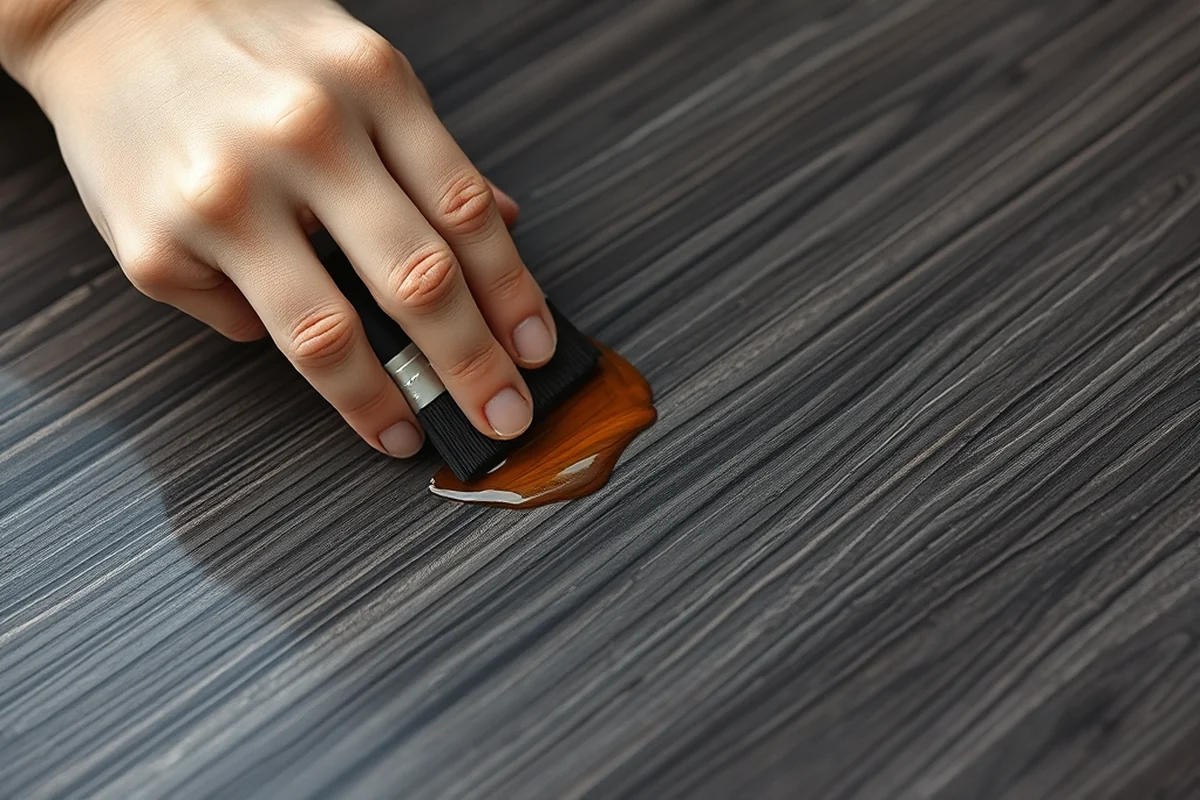
I tried painting over a laminate surface without sanding once, and it was a disaster. The paint didn’t stick properly, and it flaked off within a week. I realized that sanding is essential to create a rough surface for the paint to grip.
I now use 220-grit sandpaper and sand the entire surface until it’s slightly rough. This step took me about 15 minutes per piece, but it’s well worth the time. I noticed a much better paint adhesion after doing this.[3]
If you skip this step, you’re asking for trouble. The paint won’t stick, and you’ll end up with a surface that looks worse than before. Don’t skip this step, no matter how tempting it may be.
Sanding is the unsung hero of a successful paint job — don’t skip it.
Related: Budget painting laminate furniture fixes
Choosing the Right Paint for Long-Lasting Results
I used spray paint on a cabinet once, and it looked great at first — but by the third week, it started to chip. The problem was that spray paint isn’t ideal for laminate. I learned that using a high-quality latex or oil-based paint that’s specifically formulated for furniture is the way to go.
I now use a water-based paint with a matte finish, which is easy to clean and doesn’t yellow over time. I’ve found that oil-based paints tend to last longer, but they take more time to dry and require more ventilation.
It’s easy to get confused about which paint to use, but once you know what works, you’ll save yourself a lot of headaches. I’ve spent about $20 on a good paint that covers a small piece of furniture, and it’s been worth every penny.
Spray paint may seem convenient, but it’s not ideal for long-term durability. Stick to latex or oil-based paints that are formulated for furniture.
“I remember the first time I tried painting my old laminate kitchen table — it looked promising at first, but by the second day, the…”— Laminatelove editors
Related: Easy painting laminate furniture fixes
The Importance of Letting Paint Dry Completely
I made the mistake of painting a table and then placing it back on the floor the same day. The paint had barely dried, and the surface started to bubble and peel. I learned that patience is key with letting paint dry properly.
I now wait at least 24 hours before applying the second coat of paint, and I wait 48 hours before using the furniture again. This ensures that the paint has fully cured and won’t chip or peel.
It’s easy to get excited and want to use your new furniture right away, but rushing the process can ruin your work. I’ve learned that waiting is better than regretting a rushed job.
Related: Best painting laminate furniture fixes
The Power of a Test Patch Before Committing
I once painted an entire set of drawers without testing the paint first, and I ended up with a color that looked different under natural light. I realized that a small test patch would have saved me from a lot of frustration.
Now, I always do a test patch on a hidden area, like the back of a cabinet or under a shelf. This helps me see how the paint looks in different lighting and whether it adheres properly.
Taking the time to do a test patch is a small step that can save you a lot of time and money in the long run. It’s a simple but effective way to avoid expensive mistakes.
💰 Budget Build
Paint your furniture with minimal cost by using budget-friendly primers and paints that still deliver great results.
⏰ Weekend Version
Finish your painting project in a weekend with quick-drying paints and efficient techniques that minimize setup and cleanup time.
✨ Upgraded Finish
Elevate your furniture with a professional-looking finish using quality paints and primers that ensure long-term durability.
🛋️ Small-Space Adaptation
Paint furniture in small spaces with minimal tools and space-saving techniques that keep your workspace clutter-free.
🏠 Rental-Safe Option
Use non-toxic, low-VOC paints that are safe for rental properties and won’t leave a mark when you move out.
| The mistake | Why it happens | The fix |
|---|---|---|
| Skipping the primer | The paint will not adhere properly to the smooth laminate surface, leading to peeling and chipping. | Use a primer designed for glossy or smooth surfaces before painting to ensure proper adhesion. |
| Not sanding the surface | The paint will not stick to the smooth laminate, resulting in a flaky or uneven finish. | Use 220-grit sandpaper to sand the surface until it’s slightly rough, allowing the paint to adhere properly. |
| Using the wrong type of paint | Spray paint is not ideal for long-term durability and tends to chip more easily on laminate. | Use a high-quality latex or oil-based paint that’s specifically formulated for furniture. |
| Rushing the drying process | The paint may not cure properly, leading to bubbling, peeling, or uneven color. | Allow the paint to dry completely for at least 24 hours before using the furniture, and wait 48 hours before placing anything heavy on it. |
Related: Painting laminate furniture fixes for beginners
Painting Laminate Furniture Mistakes Fixes Printable
Related: Easy painting laminate furniture mistakes fixes
The Overlooked Step: Applying Too Thick of a Paint Layer
Applying too thick of a paint layer is a common mistake that can ruin your laminate furniture painting project. It leads to peeling, bubbling, and an uneven finish.
I learned the hard way that thick paint layers don’t dry properly on laminate surfaces. When I painted my kitchen table with a heavy coat of latex paint, it took days to dry and still felt sticky to the touch. The paint didn’t adhere well, and it peeled off in places after just a few weeks. The key is to apply thin, even coats. I now use a foam brush and only apply one thin layer at a time, waiting for each coat to dry completely before moving on. This method ensures better adhesion and a smoother finish.
Thin layers are not only easier to manage but also allow the paint to bond with the surface more effectively. I’ve found that using a spray paint with a fine mist setting can help avoid the pitfalls of thick layers. It spreads more evenly and covers the surface without creating clumps or bubbles. I also take care to avoid overbrushing, as this can push the paint into the grooves of the laminate, leading to an uneven texture. It’s a small step, but it makes a huge difference in the final look and durability.
Another benefit of thin layers is that they allow you to spot and fix mistakes early on. If you notice a streak or a missed spot, you can easily go back and touch it up without having to sand down a thick, dry layer. I always keep a small, clean brush handy for quick fixes. It’s also important to keep your workspace well-ventilated, as thin layers dry faster and reduce the risk of fumes lingering too long. This small change in technique has saved me a lot of time and frustration over the years.
Common Questions
What type of primer should I use for painting laminate furniture?
Can I use spray paint on laminate furniture?
How long should I wait before using my painted furniture?
Is sanding necessary for painting laminate furniture?
References
- Design Guide for Inpatient Mental Health & Residential ... (cfm.va.gov)
- Expressive Art Toolkit Manual - The University of Memphis (memphis.edu)
- DESIGN GUIDELINES & STANDARDS MANUAL (sdccd.edu)
Cite this guide
Laminatelove (2026). Painting Laminate Furniture Mistakes Fixes Printable. https://laminatelove.com/painting-laminate-furniture-mistakes-fixes-printable/
Feel free to cite or share this guide.