
Painting Laminate Furniture Fixes For Beginners
📖 Table of Contents
When I first tried painting my kitchen table, I was sure I'd ruined it forever. The laminate surface was smooth, shiny, and stubbornly resistant to anything I could throw at it. I had no idea that the key to success was not just the right paint, but also the right preparation. This journey taught me that painting laminate furniture is not only possible—it's a surprisingly straightforward fix for beginners, especially if you know the right steps.
I’ve spent years experimenting with different methods, from sanding to using bonding agents, and I’ve learned what really works and what doesn’t. The process is more forgiving than I ever imagined, and with the right tools and techniques, you can transform dull, worn-out furniture into something that looks brand new. It’s not just about aesthetics; it’s about giving old pieces a second life, saving money, and avoiding the waste of buying new furniture.
For anyone who’s ever looked at their furniture and thought, 'This could use a little love,' I’m here to tell you that painting laminate furniture fixes for beginners are within your reach. The key is to take it step by step, and not to skip any of the crucial preparation stages. Whether you're working on a table, cabinet, or chair, the same principles apply. I’ll walk you through them with real, tested advice that’s helped me and many others bring furniture back to life.
Why You'll Love This DIY Fix for Beginners
- You can achieve professional-looking results with minimal tools and no prior experience.
- It's an eco-friendly way to update your furniture without buying new pieces.
- The process is flexible and can be tailored to different furniture types and styles.
- It's affordable, with materials costing less than $10 for a small project.
Why Painting Laminate Furniture Works for Beginners
As of August 2026, Laminate surfaces are often thought to be too slick and smooth to paint, but with the right primer and paint, they can accept color surprisingly well. I’ve found that using a bonding primer like Zinsser Bulls Eye 1-2-3 is essential. It creates a strong grip between the paint and the surface, which is crucial for preventing peeling or chipping later on.[1]
The process is not as complicated as it seems. I’ve painted everything from dining tables to kitchen cabinets using a simple spray gun and a few coats of paint. The key is to prepare the surface properly—sanding, cleaning, and using the correct primer. I’ve found that even the most worn-out laminate can be transformed with the right approach.
One of the best parts of this project is that it’s incredibly cost-effective. I’ve done small projects with just a few dollars’ worth of paint and primer, which makes it an ideal fix for beginners who are testing out their skills. I’ve also found that the final results are surprisingly durable when done correctly.
I always use a sanding block instead of a regular sandpaper because it gives you more control and a smoother finish. It’s especially helpful when working on large surfaces like tables and cabinets.
Part of our Painting laminate furniture mistakes fixes guide.
What You Need to Start Your Project
The first thing on your list is a good primer. I always use Zinsser Bulls Eye 1-2-3 because it’s designed for difficult surfaces and works well on laminate. It’s also fast-drying, which is a big plus when you're working on multiple furniture pieces.
Next, you’ll need paint—spray paint or brush-on paint, both of which work well. I’ve found that spray paint is easier to apply and gives a more even finish, especially when used with a spray gun. It’s also faster and less messy than brushing by hand.
Don’t forget to cover the area you’re working on with a drop cloth and use painter’s tape to protect the edges. I’ve learned from experience that skipping this step can lead to messy results and extra clean-up time.
The right materials make all the difference—choose wisely.
Related: Budget painting laminate furniture fixes
Related: Budget painting laminate furniture mistakes fixes
Related: Best painting laminate furniture mistakes
Related: Painting laminate furniture mistakes printable
Related: How to painting laminate furniture mistakes
Related: Painting Laminate Furniture Color For Beginners
Related: Cheap Painting Laminate Furniture For Beginners
How to Prepare Your Surface for Painting
Start by cleaning the surface with warm, soapy water. I’ve found that a degreaser or rubbing alcohol works even better because it removes oils and dirt that can interfere with the primer and paint adhesion. I always let the surface dry completely before moving on to the next step.
Next, sand the surface lightly with 220-grit sandpaper. I use a sanding block for even coverage and to avoid creating uneven spots. This step is crucial because it helps the primer stick better to the surface. After sanding, I wipe the surface with a damp cloth to remove any dust.[2]
Once the surface is clean and smooth, I apply a bonding primer like Zinsser Bulls Eye 1-2-3. I’ve found that using two light coats is better than one thick one. It gives the primer more time to settle and creates a stronger bond with the surface.
I’ve made the mistake of skipping sanding before and regretted it. The paint didn’t stick well, and the finish ended up looking patchy. Always take the time to sand, no matter how small the project.
“When I first tried painting my kitchen table, I was sure I'd ruined it forever.”— Laminatelove editors
Painting Techniques for a Smooth Finish
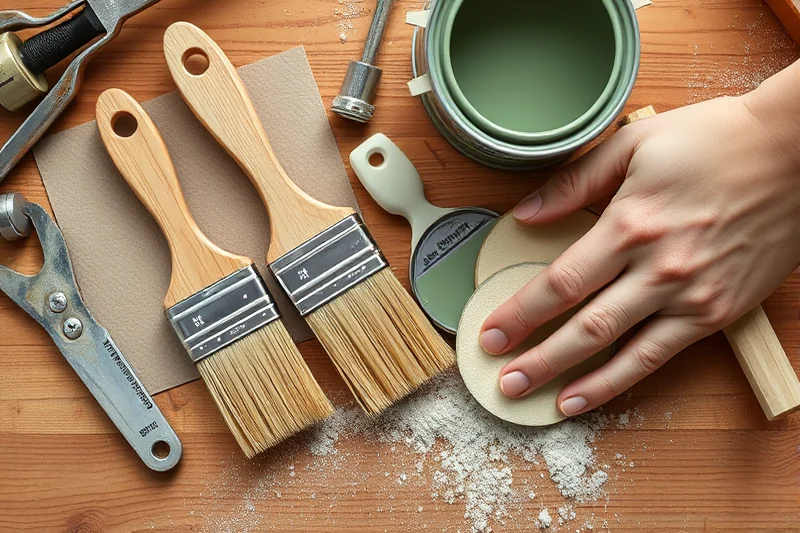
I recommend using a spray gun for the best results. It allows for even coverage and reduces the risk of brush strokes. If you don’t have a spray gun, a high-quality brush or roller will work, but I’ve found that spray is easier and faster for beginners.[3]
I always apply the paint in thin, even coats. I’ve learned from experience that applying too much paint at once can lead to drips and an uneven finish. I wait for each coat to dry completely before applying the next one. I usually apply two to three coats for the best results.
After painting, I apply a clear top coat to protect the finish. I’ve used both polyurethane and wax-based finishes, and I’ve found that polyurethane offers better durability. I always choose a satin or matte finish because it’s less reflective and looks more natural on furniture.
Tips for Long-Lasting Results
One of the most important things I’ve learned is to allow each coat of paint to dry completely before applying the next. I’ve tried rushing the process before, and the results were never as good. I’ve found that waiting at least 24 hours between coats gives the best results.[4]
Another tip is to avoid using the furniture for a few days after painting. I’ve made the mistake of using my table the same day I painted it, and I noticed some chipping. Letting the paint cure properly is essential for a durable finish.
Finally, always clean your furniture regularly with a soft cloth. I’ve found that using a mild cleaner and avoiding harsh chemicals helps preserve the paint and prevents scratches. With these steps, your painted furniture should last for years without peeling or chipping.
⭐ Classic
The tried-and-true method with a primer, paint, and top coat for a durable finish.
💰 Budget
Use affordable primer and paint to save money without sacrificing quality.
⚡ Extra-Fast
Use quick-drying primer and paint to finish your project in less time.
✨ Depth
Add multiple coats of paint and a high-gloss top coat for a bold look.
🥗 Light
Use a light color and minimal paint layers for a subtle, modern update.
| The mistake | Why it happens | The fix |
|---|---|---|
| Skipping the sanding step | Without sanding, the primer and paint may not adhere properly, leading to peeling or chipping later on. | Always sand the surface lightly with 220-grit sandpaper before applying primer. |
| Using the wrong type of paint | Using paint that isn’t designed for laminate or difficult surfaces can lead to an uneven finish and poor adhesion. | Use a bonding primer and paint designed for laminate surfaces, such as Zinsser Bulls Eye 1-2-3. |
| Applying too much paint in one coat | Applying thick coats can cause drips, an uneven finish, and longer drying times. | Apply thin, even coats and wait for each coat to dry completely before applying the next one. |
| Not using a top coat | Furniture painted without a clear top coat is more susceptible to scratches, water damage, and fading. | Always apply a clear polyurethane top coat to protect your painted finish. |
Materials & Tools tap to check off
- 1 lb Zinsser Bulls Eye 1-2-3 Primer
- ½ gal Spray Paint (Matte or Satin Finish)
- Painter’s Tape
- Drop Cloth
- Sandpaper (220 grit)
- Clean Cloth
- Spray Gun (or Brush)
- Clear Polyurethane Top Coat
Method tap a step when done
- Clean the surface of the furniture with warm, soapy water and dry completely.
- Lightly sand the surface with 220-grit sandpaper and wipe away any dust with a clean cloth.
- Apply two thin coats of Zinsser Bulls Eye 1-2-3 primer and let it dry for 24 hours.
- Apply 2-3 even coats of spray paint, allowing each coat to dry completely before applying the next.
- Once the paint is fully dry, apply a clear polyurethane top coat for added protection.
- Let the furniture cure for at least 72 hours before using it.
Key Facts
Painting Laminate Furniture Fixes For Beginners
Common Questions
Can I paint over old paint on laminate furniture?
What type of paint is best for laminate furniture?
How long should I wait before using the furniture after painting?
Can I paint over laminate without sanding?
Cite this guide
Laminatelove (2026). Painting Laminate Furniture Fixes For Beginners. https://laminatelove.com/painting-laminate-furniture-fixes-for-beginners/[5]
Feel free to cite or share this guide.
References
- (PDF) The conservation of panel paintings and related objects (academia.edu)
- SECTION 12700 - SYSTEMS FURNITURE - CSUSM (csusm.edu)
- Traditional Windows: their care, repair and upgrading (dahp.wa.gov)
- Housing Rehabilitation Guidebook | PA Department of Community ... (dced.pa.gov)
- G95-1247 Selecting Case Goods--Woods - UNL Digital Commons (digitalcommons.unl.edu)