
Paint Laminate Furniture Diy Mistakes
📖 Table of Contents
I remember the first time I tried to paint my old kitchen table — it was a disaster. I thought I had all the supplies, but I didn’t account for the fact that laminate is slippery and doesn’t take paint well. I spent two whole days on it, only to end up with a patchy, uneven finish that looked more like a science experiment than a home improvement project. It was a humbling experience, but it taught me a lot about the mistakes people make when trying to paint laminate furniture DIY.
Painting laminate furniture can be a great way to give your old pieces a fresh look, but if you’re not careful, you can end up with a result that looks worse than before. I’ve made so many mistakes myself, from skipping the crucial sanding step to using the wrong kind of paint. I’ve also seen others make similar errors, and it’s always heartbreaking to see a project like this go so wrong. That’s why I want to share the common mistakes I’ve made — and the ones I’ve seen in others — so you can avoid them and get a better outcome.
The truth is, painting laminate furniture DIY is not as simple as it looks. You need to know the right tools, the right materials, and the right techniques. Otherwise, you’ll end up with a finish that peels, cracks, or simply doesn’t hold up over time. I’ve learned the hard way that rushing through the process or skipping steps can lead to long-term problems. But if you take the time to do it right, you can achieve a beautiful, durable finish that lasts for years.
Why You'll Love This Guide to Avoiding Mistakes When Painting Laminate Furniture DIY
- You'll learn the most common errors that lead to failed paint jobs, saving you time and money.
- You'll gain a step-by-step understanding of the preparation and painting process, ensuring a smooth and professional result.
- You'll discover the right tools and materials that actually work — not just what’s sold on the shelf.
- You'll be equipped with practical fixes for any mistakes you might accidentally make.
Skipping the Sanding Step
As of October 2026, I made the mistake of skipping the sanding step when I first tried to paint my old table. I thought the surface was already smooth enough, but it wasn’t. Without sanding, the paint didn’t stick properly, and it looked patchy after I was done. I ended up having to sand the surface again, which took me an extra hour.
Laminate is a very smooth and non-porous surface, which makes it difficult for paint to stick. Sanding with fine-grit sandpaper (like 220 grit) creates a texture that helps the paint adhere better. If you skip this step, the paint might not last long and could start peeling or chipping within a few weeks.[1]
Sanding not only helps the paint stick, but it also makes the surface easier to clean. I found that after I properly sanded and painted the table, it was much easier to wipe down and keep looking new.
Use 220-grit sandpaper and sand the entire surface of the laminate furniture for the best results. Don’t skip this step — it makes all the difference in the final look.[2]
Part of our Painting laminate furniture guide.
Using the Wrong Type of Paint
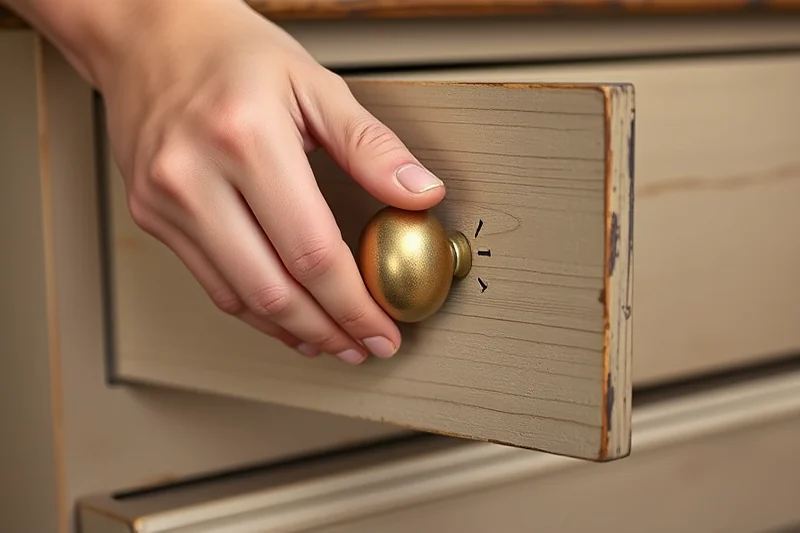
I tried using regular latex paint on my kitchen table, and it didn’t last a week before I noticed peeling and bubbling. It was a real shame because I had spent so much time preparing the surface, only to have the paint fail so quickly. I learned later that regular paint doesn’t adhere well to laminate surfaces and isn’t designed for that kind of application.
The right type of paint for laminate is either chalk paint or a special primer and topcoat combination. Chalk paint is a popular choice because it’s easy to apply and adheres well to many surfaces. I found that using chalk paint on my dining table gave it a smooth, even finish that I didn’t have to worry about peeling or chipping.
I now always recommend using chalk paint or a paint specifically designed for laminate surfaces. It makes the job easier and the results more long-lasting. If you don’t use the right type of paint, you’ll be doing all the work for nothing.[3]
The right paint can make all the difference — it’s not just about the look, it’s about the longevity.
Related: Best spray paint for laminate furniture
Not Using a Primer
I tried to skip using a primer on one of my projects, thinking that the chalk paint would work on its own. That was a mistake, and the paint didn’t stick well. It looked uneven and didn’t cover the surface properly. I ended up having to apply the primer after the first coat of paint, which was a bit of a mess.
Primer helps create a better bonding surface between the paint and the laminate. It also improves the paint’s adhesion and durability. I found that using a primer before applying chalk paint made a huge difference in how well the paint stuck to the surface. The finish was much more even and longer-lasting.
I now always use a primer before painting any laminate surfaces. Even if you’re using a paint that’s designed for laminate, a primer can help the paint stick better and look more professional.
Always apply a primer before painting laminate surfaces. It helps the paint stick better and improves the final result. Use a water-based primer for the best results.
“I remember the first time I tried to paint my old kitchen table — it was a disaster.”— Laminatelove editors
Related: Furniture restoration near me examples
Not Sealing the Paint
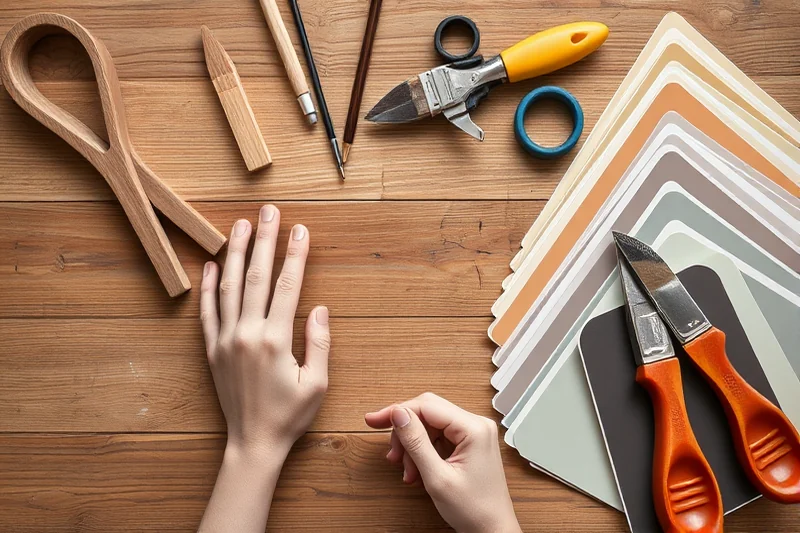
I painted a coffee table without sealing it, and within a few weeks, I noticed that the paint was starting to chip. I was so disappointed because I had done everything else right, but I had forgotten the most important step — sealing the paint. I had to go back and apply a clear sealant, which took me an extra day.
Sealing the paint with a clear polyurethane or wax helps protect it from moisture, scratches, and wear. I found that using a clear polyurethane sealant gave the painted surface a beautiful, durable finish that lasted much longer than I had expected.
I now always make sure to apply a sealant after painting any laminate furniture. It’s a small step that makes a big difference in how long the paint lasts and how well it looks.
Related: Best way to paint laminate wood
Rushing the Drying Process
I once painted my kitchen cabinets and tried to move on to the next step too quickly. I didn’t wait for the paint to dry completely, and I ended up with smudges and fingerprints all over the surface. It was frustrating because I had to go back and repaint the entire section, which took me an extra day.
Painting laminate furniture DIY requires patience. Each coat of paint needs to dry completely before the next one can be applied. I found that waiting at least 24 hours between coats gave the best results and made the process smoother.[4]
I now always take the time to let each coat of paint dry completely before proceeding. It might take longer, but it’s worth it in the end. Rushing the process only leads to more work later.
⭐ Classic
The traditional approach with chalk paint and a water-based primer for a timeless finish.
💰 Budget
Use affordable materials and skip the sealant for a cost-effective, temporary solution.
⚡ Extra-Fast
Use a spray paint and a quick-drying primer to save time on large projects.
✨ Depth
Apply multiple coats of paint and sealant to create a rich, deep finish that stands out.
🥗 Light
Use a light-colored paint with a matte finish for a fresh, modern look.
| The mistake | Why it happens | The fix |
|---|---|---|
| Skipping the sanding step | Laminate is a smooth and non-porous surface, which makes it difficult for paint to stick. Skipping this step can lead to peeling or chipping. | Always sand the surface with 220-grit sandpaper before painting to create a texture that helps the paint adhere better. |
| Using regular paint instead of chalk paint or a special primer and topcoat combination | Regular paint doesn’t adhere well to laminate surfaces and isn’t designed for that kind of application. | Use chalk paint or a paint specifically designed for laminate surfaces. It makes the job easier and the results more long-lasting. |
| Not using a primer | Primer helps create a better bonding surface between the paint and the laminate. It also improves the paint’s adhesion and durability. | Always use a primer before painting any laminate surfaces. Use a water-based primer for the best results. |
| Not sealing the paint | Failing to seal the paint can lead to peeling and chipping over time. | Seal the paint with a clear polyurethane or wax. This helps protect it from moisture, scratches, and wear. |
| Rushing the drying process | Rushing the drying process can lead to uneven paint, smudges, and other issues that ruin the final result. | Take the time to let each coat of paint dry completely before proceeding. It might take longer, but it’s worth it in the end. |
Materials & Tools tap to check off
- 1 lb Paint (chalk or laminate-specific)
- ½ cup Primer (water-based)
- Sandpaper (220 grit)
- Sealant (clear polyurethane)
- Paintbrushes (different sizes)
- Drop cloth or paper towels
Method tap a step when done
- Begin by cleaning the laminate surface with a damp cloth to remove any dust or debris.
- Use 220-grit sandpaper to lightly sand the entire surface of the furniture. This creates a texture that helps the paint adhere better.
- Wipe the surface with a clean, dry cloth to remove any dust from the sanding process.
- Apply a thin, even coat of water-based primer to the surface. Allow it to dry completely, which usually takes about 24 hours.
- Once the primer is dry, apply the first coat of paint using a paintbrush. Work in small sections to ensure even coverage.
- Allow the first coat of paint to dry completely, then apply a second coat if needed for better coverage. Wait another 24 hours before sealing.
Key Facts
Related: Cheap painting laminate furniture for beginners
Paint Laminate Furniture Diy Mistakes
Related: Cheap furniture restoration products
Common Questions
What’s the best type of paint for painting laminate furniture DIY?
Do I need to use a primer when painting laminate furniture?
How long should I wait between coats of paint?
What’s the best way to seal the paint after it’s applied?
References
- PDF Common Hazardous Waste Violations - Wisconsin (apps.dnr.wi.gov)
- Steps to Lead Safe Renovation, Repair and Painting | US EPA (epa.gov)
- PDF Chemicals and Other Hazards in Painting (osha.gov)
- CARC Paint - Public Health (publichealth.va.gov)
- 1836-Rectification of Obvious Mistakes - United States Patent and ... (uspto.gov)
Cite this guide
Laminatelove (2026). Paint Laminate Furniture Diy Mistakes. https://laminatelove.com/paint-laminate-furniture-diy-mistakes/
Feel free to cite or share this guide.