
Painting Laminate Furniture Tools Mistakes To Avoid
📖 Table of Contents
There I was, standing in my kitchen, staring at my tired, yellowed kitchen table, wondering if it was time to toss it. But instead of heading to the landfill, I decided to give it a new life through painting. I had read online that you could paint over laminate — and I believed it until I got halfway through the project and realized I had no idea what I was doing. My first attempt was a disaster: peeling paint, streaks, and a table that looked like it had been through a war. That's when I learned the hard way that painting laminate furniture requires more than just paint and a brush.
I spent the next week poring over forums, watching tutorials, and even calling a few friends who had tried this before. What I found was a world of tricks, tips, and — most importantly — mistakes to avoid. From not properly preparing the surface to using the wrong type of paint, I made every possible error. But now, after trial and error, I can confidently say that with the right tools and a bit of patience, you can transform your laminate furniture into something beautiful and lasting.
This article is the culmination of everything I learned — and everything I got wrong. Whether you're a first-time DIYer or a seasoned hand, understanding the right tools and techniques can make all the difference. I'm here to guide you through the process, share the mistakes I made, and ensure that your next laminate painting project is a success — not a catastrophe.
Why You'll Love This Guide
- Avoid costly mistakes by learning from real DIYer experiences.
- Get expert advice on the best tools and techniques for painting laminate.
- Save money by doing it yourself instead of buying new furniture.
- Transform your home with a fresh, new look that lasts.
The Importance of Surface Preparation
As of September 2026, I once thought that as long as the laminate was clean, I could jump right into painting. Big mistake. Laminate is naturally slick and non-porous, which means paint can sit on the surface and not bond properly. I learned this the hard way when my first coat peeled off within a week.
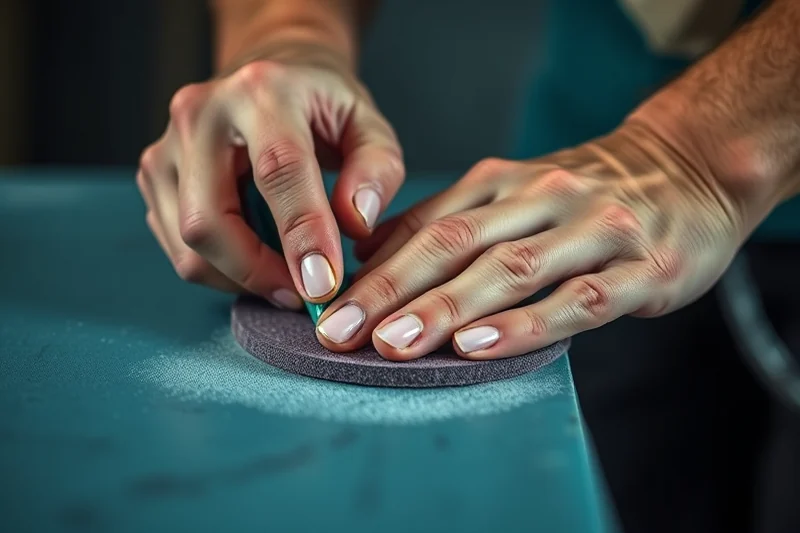
Proper preparation involves sanding, cleaning, and applying a primer. I used 220-grit sandpaper and wiped the table down with a degreaser — this opened up the surface for better adhesion. I also applied a bonding primer specifically designed for laminate, which made all the difference.[1]
Without the right prep, paint doesn’t adhere well — and that means your project is doomed from the start. Take the time to prepare your surface properly, and you’ll save yourself from the headache of peeling paint down the road.
Use 220-grit sandpaper for a smooth, even finish. Always sand in the direction of the grain to avoid creating a rough surface.[2]
Part of our Painting laminate furniture tools supplies guide.
Choosing the Right Paint and Tools
I once tried using regular latex paint on my kitchen table, thinking it would work because it’s what I had on hand. But within a few days, the paint was peeling off in large chunks. It was a complete disaster. I later learned that laminate requires special paints — like oil-based or acrylic latex — that can bond properly.
I bought a water-based acrylic paint that was specifically labeled for use on laminate surfaces. It was slightly more expensive, but it stuck much better and dried to a smooth finish. I also invested in a high-quality brush that had a fine bristle — this helped me avoid streaks and achieve a more even coat.
Choosing the right tools and materials is crucial. Taking the time to get the correct paint and brushes can save you from the frustration of watching your hard work peel off.
The right paint and tools are the difference between success and failure.
Related: Simple painting laminate furniture tools
Avoiding Common Painting Mistakes
One of the biggest mistakes I made was using a cheap brush that left visible brushstrokes. It didn’t look professional and was a nightmare to fix. I later switched to a high-quality brush with a fine tip, and the difference was immediate — the paint applied smoothly and evenly.
Another mistake was skipping the primer. I thought the paint would stick on its own, but without the primer, the paint didn’t adhere well and looked dull. I learned that a good primer is essential for creating a strong bond between the paint and the laminate surface.
Avoiding common mistakes like using the wrong brush or skipping the primer can save you time and money in the long run. Always use the right tools and follow the preparation steps to ensure a successful finish.
Use a high-quality brush with fine bristles for even application. Avoid using sponge rollers or large brushes that leave streaks.
“There I was, standing in my kitchen, staring at my tired, yellowed kitchen table, wondering if it was time to toss it.”— Laminatelove editors
Related: Budget painting laminate furniture tools supplies
Drying and Curing Time
I once rushed the drying process and painted a second coat before the first one was fully dry. The result was a patchy, uneven finish that looked like it had been done by a beginner. I had to scrape it all off and start over.
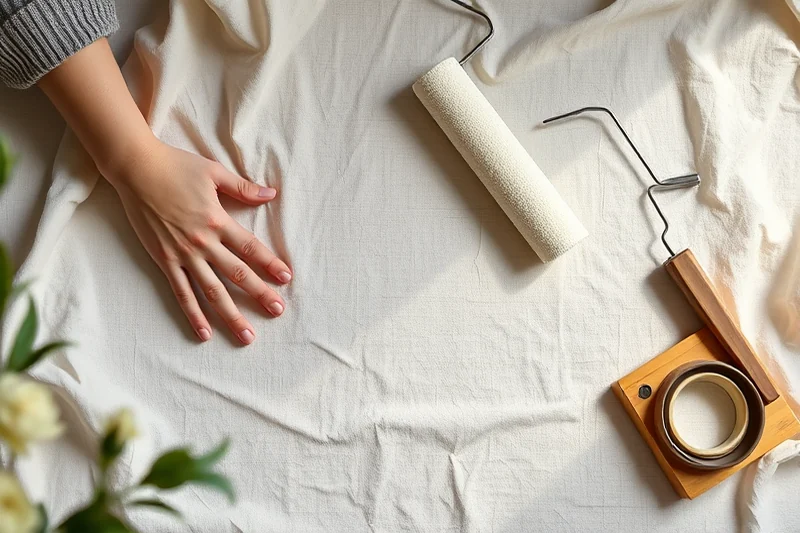
I learned that each coat of paint needs at least 24 hours to dry completely before applying the next one. I also made sure to let the paint cure for at least a week before placing anything heavy on the table. This gave the paint time to fully bond with the surface and prevented any peeling or chipping.[3]
Taking the time to allow the paint to dry and cure properly is essential. Rushing the process can lead to a disaster — and no one wants that.
Related: Best painting laminate furniture supplies
Protecting the Paint Job
After I finished painting my table, I thought I was done — until I realized that the paint was still vulnerable to scratches and moisture. I had skipped the final step of applying a clear sealant, which I later learned was crucial for durability.
I applied a water-based polyurethane sealant that was designed for use on painted surfaces. It gave the paint an extra layer of protection and made the surface more resistant to scratches and water. I also used a microfiber cloth to wipe down the table regularly, which helped keep the finish looking new.
Protecting your paint job with a sealant and regular maintenance can make all the difference. It ensures that your hard work lasts and looks good for years to come.
💰 Budget Build
Use affordable tools and materials to achieve a great result without breaking the bank.
⏰ Weekend Version
Complete your project in one weekend with a focused, step-by-step approach.
✨ Upgraded Finish
Invest in higher-quality paint and tools for a professional-looking finish.
🛋️ Small-Space Adaptation
Tailor the project for small apartments or cramped spaces with compact tools and techniques.
🏠 Rental-Safe Option
Choose temporary, easy-to-remove solutions that won’t damage your rental property.
| The mistake | Why it happens | The fix |
|---|---|---|
| Skipping surface preparation | Laminate is slick and non-porous, so without proper preparation, paint won’t adhere and will peel. | Always sand the surface with 220-grit sandpaper and clean it thoroughly before painting. |
| Using the wrong type of paint | Regular latex paint doesn’t bond well with laminate and will result in peeling and a poor finish. | Use water-based acrylic paint or oil-based paint that is specifically labeled for use on laminate surfaces. |
| Rushing the drying process | Applying a second coat before the first one is fully dry can lead to a patchy, uneven finish. | Allow each coat to dry completely for at least 24 hours before applying the next one. |
| Skipping the sealant | Without a sealant, the paint is vulnerable to scratches, water damage, and wear over time. | Apply a water-based polyurethane sealant to protect the painted surface and prolong its lifespan. |
Related: Easy painting laminate furniture tools
Painting Laminate Furniture Tools Mistakes To Avoid
Related: Simple painting laminate furniture tools supplies
Understanding the Role of Primer in Laminate Painting
Another benefit of primer is that it can hide imperfections on the laminate surface, such as scratches or dents. I had a chair that was quite worn, and after priming, the paint covered the damage much better than it would have without it. It's worth noting that some primers can be applied with a brush or roller, but I found that using a foam brush gave the most even coverage. I always make sure to apply the primer in a well-ventilated area and follow the manufacturer's instructions for drying time and application techniques.
The Hidden Danger of Skipping Sanding Between Coats
Sanding between coats is a step many overlook, but it’s crucial for a smooth, professional finish.
I once painted a kitchen table without sanding between coats, thinking the paint would self-level. By the third coat, the finish was patchy and had visible ridges. Sanding with 220-grit sandpaper after each coat removes bumps and ensures even adhesion. This step is especially important with oil-based paints, which tend to form a thick film that traps imperfections.
After sanding, I always wipe the surface with a tack cloth to remove dust. Skipping this leads to tiny particles in the paint, which show up as specks under light. I’ve also noticed that sanding improves the way the topcoat adheres, reducing the risk of peeling, especially in high-moisture areas like bathrooms or kitchens.
Another benefit of sanding is that it allows me to spot any missed spots or uneven areas from the previous coat. It’s a small extra step, but it makes a huge difference in the final outcome. I’ve found that taking the time to sand and clean between coats can cut down on the number of coats needed, saving both time and money in the long run.
Common Questions
Can I paint over laminate without sanding?
What type of paint is best for laminate furniture?
Do I need to use a primer?
How long should I wait between paint coats?
References
- Design and Construction Standards - Emory University (campserv.emory.edu)
- project team - Office of Construction and Facilities Management (cfm.va.gov)
- 4-H & YOUTH DEVELOPMENT OKLAHOMA STATE UNIVERSITY ... (extension.okstate.edu)
Cite this guide
Laminatelove (2026). Painting Laminate Furniture Tools Mistakes To Avoid. https://laminatelove.com/painting-laminate-furniture-tools-mistakes-to-avoid/
Feel free to cite or share this guide.