
Painting Laminate Furniture Step For Small Spaces
📖 Table of Contents
I remember the first time I tried painting my old kitchen table — it was a disaster. The laminate surface was slick, the paint peeled off like it was mocking me, and I ended up with a mess that looked worse than before. But after a few failed attempts, I discovered the right steps for painting laminate furniture in small spaces, and it transformed my tiny apartment into something I was proud of. This process is not just about making your furniture look new; it's about reclaiming the space you live in and making it feel like your own.[2]
Painting laminate furniture in small spaces can be tricky, especially if you're working with limited room and even less patience. I've spent countless hours in my cramped studio apartment, testing methods, buying supplies, and learning what works and what doesn't. The key is to find techniques that are quick, efficient, and not too messy. The result? A fresh, updated look that fits perfectly in tight corners and small rooms, without the hassle of big projects or expensive renovations.[3]
This article is the culmination of everything I've learned through trial and error — the right primer, the best paint, the tools that make the job easier, and the steps that actually work. Whether you're looking to refresh your kitchen table, update your bookshelf, or give your tiny desk a new lease on life, these tips will guide you through the process of painting laminate furniture in small spaces with confidence and clarity.[4]
Why You'll Love This Painting Process for Small Spaces
- Transforms outdated furniture without the cost of replacement
- Adds a personalized touch that fits your style
- Boosts the visual appeal of compact living areas
- Easily manageable even in the most cramped of spaces
Why Painting Laminate Furniture in Small Spaces Works
As of October 2026, in my tiny apartment, I found that painting my old IKEA dresser was the perfect way to give my space a fresh, updated look. The process didn't take up much room, and I was able to do it in just a few hours. Using the right tools and techniques, I transformed a drab piece of furniture into something that matched the rest of my apartment seamlessly.
One of the best things about this project is that it doesn't require a lot of space. You can do it in a corner of a room, on a drop cloth, or even in a garage if you're lucky enough to have one. It's also incredibly cost-effective — I spent under $40 for the entire project, including paint, primer, and tools, and I still have a piece of furniture that looks brand new.[1]
The result was a dresser that not only matched the rest of my apartment but also made me feel proud of the work I had done. It was a small change that had a big impact on how I felt about my living space, and I've been able to apply the same techniques to other furniture since then.
A small paintbrush gives you better control in tight spaces, making it easier to paint edges and corners without making a mess. I found that using a 2-inch brush was perfect for my project, and it helped me achieve a smooth, even finish.
Part of our Painting laminate furniture step by step techniques guide.
Preparation: The Key to Success in Small Spaces
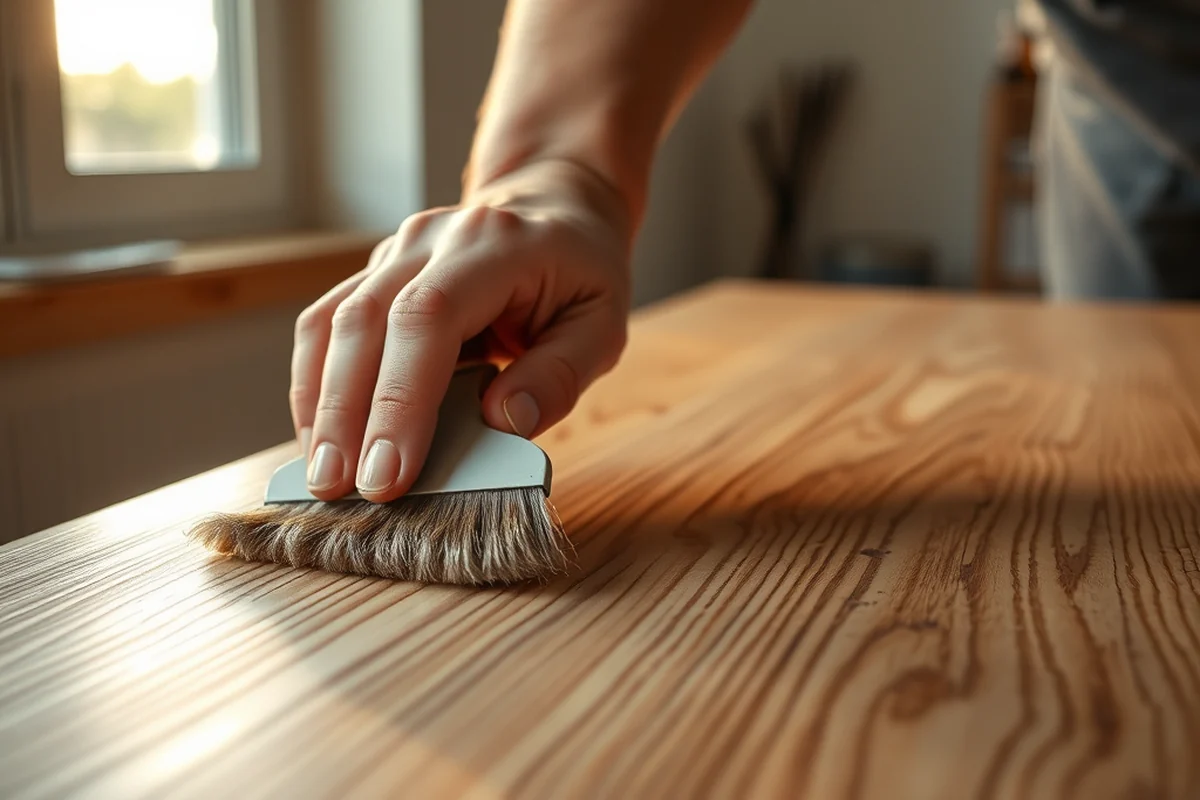
I learned this the hard way when I tried to paint my old kitchen table without preparing it properly. The paint didn't stick at all, and I had to start over. The lesson was clear — preparation is the foundation of a successful paint job.
To prepare, I cleaned my furniture thoroughly with a degreaser and sanded it lightly with fine-grit sandpaper. This helped the primer and paint adhere better to the surface. I also made sure to cover the floor and surrounding areas with drop cloths to prevent mess.
After preparation, I applied a primer specifically designed for laminate surfaces. It made a huge difference — the paint stuck better, and the final result looked much more professional. Preparation is the difference between a quick, easy project and a frustrating mess.
Proper preparation is the difference between a quick, easy project and a frustrating mess.
Related: Best painting laminate furniture step by step techniques
Choosing the Right Paint and Tools for Small Spaces
I used a water-based primer and paint that was designed for use on laminate surfaces. It was easy to apply and dried quickly, which was perfect for a small space. I also made sure to use a small paintbrush and a foam roller, which helped me cover the surface without getting too much paint on the edges.
The tools I used were simple — a small paintbrush, a foam roller, and a few drop cloths. It didn't take up much space or require a lot of tools, which was great for my tiny apartment. The paint I used was affordable and had a great finish.
I found that using the right tools and paint made the job faster and more efficient. It also made the final result look much better, and I was able to complete the project in just a few hours without any issues.
A foam roller is perfect for covering large areas of furniture quickly and evenly, especially in small spaces where you want to minimize the amount of time you spend painting. It also helps avoid brush marks, which can be a problem in tight areas.
“I remember the first time I tried painting my old kitchen table — it was a disaster.”— Laminatelove editors
Related: Budget painting laminate furniture techniques
Painting Techniques for Small Spaces
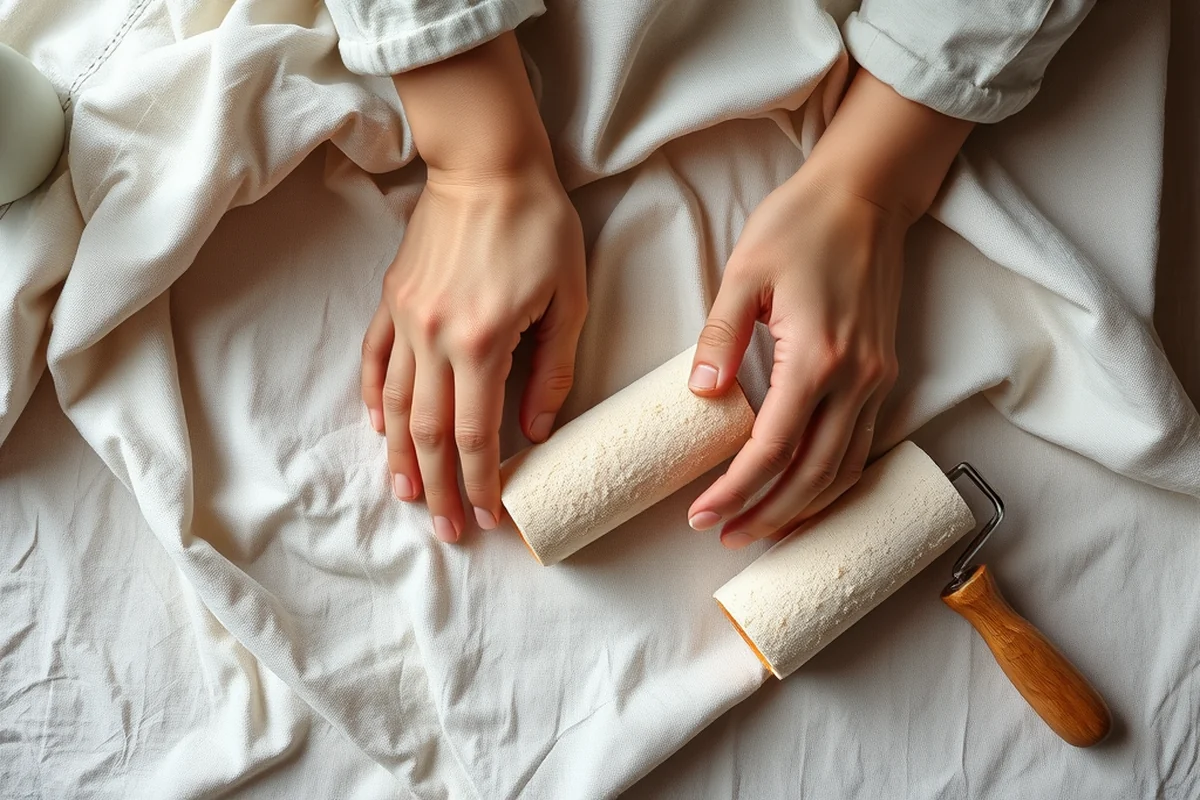
I found that using a small brush to paint edges and corners was the best way to get a clean finish. It helped me avoid getting paint on the floor or other surfaces, which was important in my small apartment.
I also used a foam roller to cover large areas quickly. It helped me apply paint evenly and avoid brush marks. I worked in sections, making sure to paint one area at a time and allowing the paint to dry before moving on.
The technique I used worked so well that I was able to complete the project in just a few hours. It also gave me a smooth, even finish that looked great in my small space. I was proud of how it turned out and felt confident that I had done the job right.
Related: Painting laminate furniture step by step techniques that actually work
Finishing Touches and Maintaining Your New Painted Furniture
Once the paint was dry, I applied a clear topcoat to protect it. This helped make it more durable and easier to clean, which was important in my small apartment where I use my furniture a lot.
I also made sure to clean the furniture regularly with a soft cloth and mild cleaner. This helped keep it looking new and prevented any dirt or grime from building up on the surface.
Taking care of your furniture after painting is just as important as the painting itself. It helps ensure that your new look lasts for years and continues to look great in your space.
💰 Budget Build
A low-cost option using affordable materials and tools that still look great.
⏰ Weekend Version
A quick and efficient project that can be completed in a single weekend.
✨ Upgraded Finish
A more premium version with better materials and techniques for a long-lasting finish.
🏠 Small-Space Adaptation
Tailored for tiny spaces with tools and techniques that work well in compact areas.
🔒 Rental-Safe Option
A version that's safe for rental properties and can be removed without damage.
| The mistake | Why it happens | The fix |
|---|---|---|
| Not cleaning the surface properly before painting | If the surface isn't clean, the paint won't stick properly, and it may peel or flake over time. | Make sure to clean the furniture thoroughly with a degreaser before painting to ensure the paint adheres properly. |
| Skipping the primer step | Primer is essential for helping the paint stick to the surface, especially on laminate. | Always apply a primer designed for laminate surfaces before painting. |
| Using the wrong type of paint | Using the wrong paint can lead to a poor finish and may cause the paint to chip or peel. | Use a water-based primer and paint that's specifically designed for use on laminate surfaces. |
| Not allowing the paint to dry properly | If you apply the next coat of paint too soon, it can cause the finish to look uneven or streaky. | Always allow each coat of paint to dry completely before applying the next one. |
Related: Painting laminate furniture step by step techniques examples
Painting Laminate Furniture Step For Small Spaces
Related: Painting laminate furniture step by step techniques for beginners
Maximizing Natural Light to Enhance Painted Surfaces
Natural light can dramatically affect how your painted laminate furniture looks in small spaces. Here's how to use it effectively.
I've found that positioning furniture near windows or using mirrors to reflect light can make a big difference in how your painted surfaces appear. In my own 10-by-12-foot apartment, I painted a small side table and placed it next to a south-facing window. The way the light hit the glossy finish made it look larger and more vibrant. Avoiding heavy drapes and keeping window treatments minimal allows light to flow in, which helps your paint colors feel more open and airy.
When working in small spaces, I recommend using light-reflecting paint colors, such as soft whites or pastels, which amplify the effect of natural light. Even if your space doesn't have a lot of windows, strategically placing a mirror opposite a painted piece of furniture can create an illusion of more space. I've also experimented with using sheen levels — matte finishes tend to absorb light, while semi-gloss or gloss finishes reflect it, making painted surfaces look more luminous and expansive.
Another trick I've used is to paint furniture in light colors during the day when natural light is strongest, and then check the finish under different lighting conditions later in the day. This helps ensure the paint color looks consistent in all types of light. Additionally, avoiding dark or bold colors in small spaces can prevent the furniture from feeling overwhelming or making the room feel smaller. Light, cohesive color palettes not only enhance the painted surfaces but also contribute to a more open and welcoming atmosphere.
Common Questions
How long does it take to paint laminate furniture in small spaces?
What kind of paint should I use for laminate surfaces?
Do I need to sand the furniture before painting?
Can I paint over existing paint on laminate furniture?
References
- DOA - Office Space and General Facility Design Standards (doa.wi.gov)
- OFFICE OF AND HEALTHY HOMES LEAD HAZARD CONTROL (fultoncountyny.gov)
- IOWA HOME MINIMUM HOUSING REHABILITATION STANDARDS (opportunityiowa.gov)
- Traditional Windows: their care, repair and upgrading (dahp.wa.gov)
Cite this guide
Laminatelove (2026). Painting Laminate Furniture Step For Small Spaces. https://laminatelove.com/painting-laminate-furniture-step-for-small-spaces/
Feel free to cite or share this guide.