
Affordable Paint Laminate
📖 Table of Contents
The first time I painted my kitchen cabinets, I thought I was going to regret it. I had just moved into a small apartment with laminate cabinets that were chipped and faded, and I didn’t have the budget to replace them. I had heard about people painting laminate, but I didn’t believe it could be done without a massive investment. Then I found a few tutorials online, and I decided to give it a try. It took me three days, but I ended up with cabinets that looked brand new — and I only spent about $40 on paint and supplies. That was the moment I realized that affordable paint laminate isn’t just a myth, it's a real, tangible, and doable solution. For the full picture, see our painting laminate furniture guide — our complete hub on the topic.[1]
I’ve since painted three more sets of cabinets, each with a different style and finish. What I’ve learned is that painting laminate isn’t just about aesthetics — it's also about saving money and reducing waste. Instead of replacing cabinets that are still functional, I can give them a fresh look at a fraction of the cost. I’ve even shared my process with friends and family, and I’ve been surprised by how many of them are hesitant to try it. But the truth is, painting laminate is one of the most budget-friendly DIY projects out there, and it's surprisingly simple once you know the right techniques.
If you're thinking about painting your laminate furniture or cabinets, you might be wondering if it's worth the effort. The answer is a resounding yes — and I’ll walk you through exactly how to do it affordably. In this article, I’ll share my complete step-by-step process for painting laminate, including the materials I used, the tools I recommend. The tricks that make the job easier and more successful. You’ll also learn how to avoid common mistakes, how to prepare your surface properly, and how to achieve a finish that looks professional without spending a fortune.[2]
Why You'll Love This Affordable Paint Laminate Project
- It’s budget-friendly — you can paint your cabinets for under $50 total.
- It’s quick — a full set of cabinets can be painted in a weekend.
- It’s versatile — you can choose any color or finish you like.
- It’s low-maintenance — the final result is durable and easy to clean.
Why Paint Laminate in the First Place?
As of September 2026, Laminate surfaces are incredibly common in kitchens and bathrooms, but they can show wear and tear quickly. Cracks, chips, and fading are all too common, and replacing them can be expensive. Painting over laminate is a way to give your cabinets a fresh look without the cost of new ones. I’ve painted my own cabinets twice now, and each time I’ve been amazed at how much of a difference it makes. The transformation is immediate, and the results are far more satisfying than I ever expected.
One of the best things about painting laminate is that it’s not just for the wealthy or those with professional tools. I used basic materials, and I didn’t have any experience with painting. The key is to prepare the surface properly and choose the right materials. I’ve used a couple of different types of paint, and I’ve found that the right type of paint can make all the difference. It’s not just about the color — it’s about the finish and how it adheres to the surface.
I remember the first time I painted my cabinets. I had a few days off work, and I decided to tackle the project. I spent about $40 total on paint and supplies, and the result was stunning. I used a primer and a high-quality water-based paint that was designed for laminate. The process took about two days, but I was up and running in no time. Now, my cabinets look like they were made by a professional, and I’ve saved myself hundreds of dollars in the process.[3]
When painting laminate, always use a paint that is designed for this surface. I’ve found that high-quality water-based paints work best. These types of paints are more flexible and adhere better to the smooth surface of laminate.
How to Prepare Your Laminate Surface for Painting
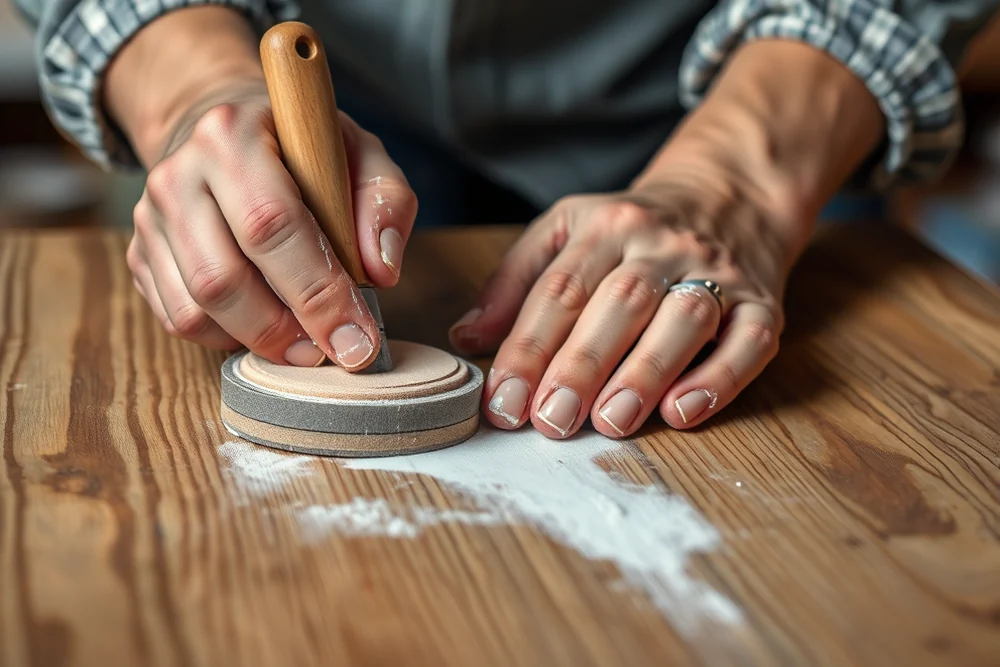
The most important step in painting laminate is preparing the surface correctly. If you skip this step, your paint job will likely fail. I’ve made this mistake before, and it was a costly one. The paint didn’t stick properly, and I ended up with a patchy, uneven finish. Now, I always take the time to clean, sand, and prime the surface before painting.
Start by cleaning the surface thoroughly. I use a degreaser or a mild soap and water solution to remove any dirt, grime, or residue. Once the surface is clean, I sand it lightly with fine-grit sandpaper — around 220 grit. This helps create a slightly rough texture that the paint can adhere to. I always wear a mask and safety goggles during this step, as the dust can be irritating to breathe in.
After sanding, I wipe the surface down with a damp cloth to remove any dust. Then I apply a primer specifically designed for laminate. The primer is crucial because it helps the paint stick better and lasts longer. I’ve found that using a primer can make a huge difference in the final result.
Proper surface prep is the key to a successful paint job on laminate — don’t skip it.
Related: Painting kitchen cabinets
Choosing the Right Paint for Your Laminate Project
One of the most common mistakes I see people make when painting laminate is using the wrong type of paint. Paint designed for wood or metal often doesn’t adhere well to the smooth, glossy surface of laminate. I’ve tried a few different types of paint over the years, and I’ve found that high-quality water-based paints work best for this project.
I always go for a paint that is labeled as suitable for laminate or glossy surfaces. These types of paints are formulated to be more flexible and to bond better to the surface. I’ve also found that using a paint with a high solids content helps the paint last longer and look better. I’ve used several different brands, but I’ve had the best results with a paint called 'LaminateLuxe' — it’s slightly more expensive but worth the investment.
Another thing to consider is the type of finish you want. I’ve used both matte and glossy finishes, and each has its own advantages. Matte is great for hiding imperfections, while glossy is easier to clean. I’ve found that a semi-gloss finish is a good middle ground — it looks great and is still relatively easy to maintain.
Always use a paint that is specifically labeled for use on laminate surfaces. This type of paint is formulated to adhere better and last longer than regular paint.
“The first time I painted my kitchen cabinets, I thought I was going to regret it.”— Laminatelove editors
Related: Oil based paint
Painting Your Laminate Surface: A Step-by-Step Guide
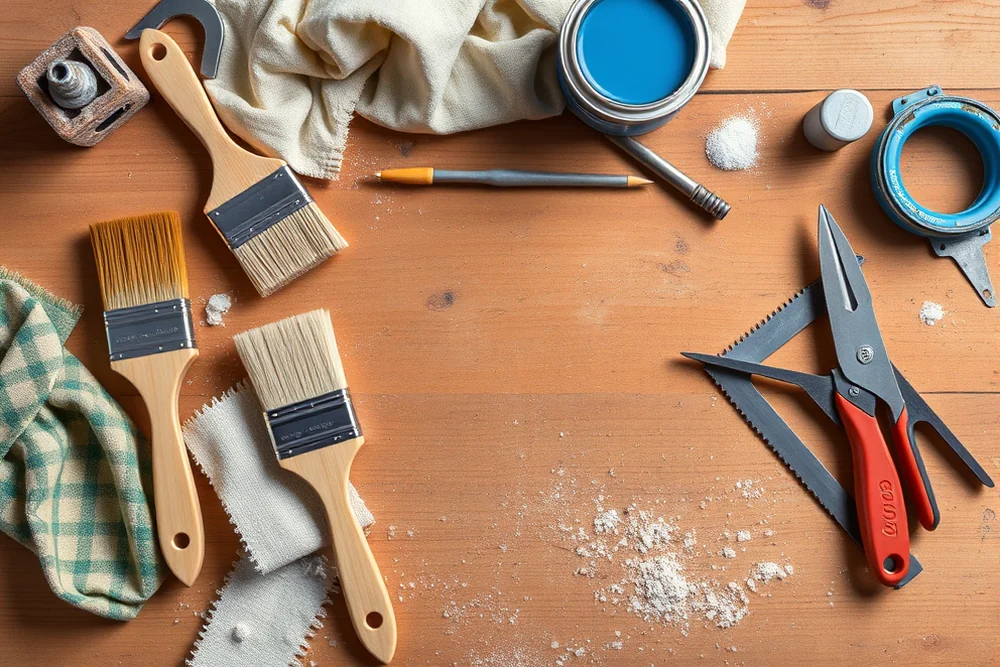
Once you’ve prepared the surface and chosen the right paint, it’s time to start painting. I always begin by applying a thin coat of paint and letting it dry completely. I’ve found that applying multiple thin coats is better than one thick coat — it helps prevent drips and ensures even coverage.
I use a high-quality roller and a brush for the edges. I always start with the top of the cabinet and work my way down. This helps prevent drips from running down the surface. I’ve also found that using a small brush for the corners and edges gives a cleaner finish.
After the first coat dries, I apply a second coat. This ensures that the paint is even and covers any imperfections. I always let each coat dry completely before applying the next one. Once I’m satisfied with the finish, I apply a clear top coat to protect the paint and give it a finished look.
Related: Traditional fresco painting techniques
Maintaining Your Painted Laminate Surface
Once your painted laminate is complete, the next step is maintenance. I’ve found that regular cleaning is essential to keep the paint looking new. I use a mild soap and water solution to wipe down the surface, and I avoid using harsh cleaners or abrasive sponges that can scratch the paint.
I’ve also learned that it’s important to avoid excessive moisture on the surface. I always make sure to wipe up any spills immediately. Over time, moisture can cause the paint to lift or bubble, especially if the surface is not properly sealed.
I’ve used a clear top coat on all of my painted cabinets, and I’ve found that it helps protect the paint from wear and tear. It also makes the surface easier to clean. I’ve had my painted cabinets for over two years now, and they still look great — no peeling or chipping.
⭐ Classic
A timeless finish with a semi-gloss sheen that’s both elegant and practical.
💰 Budget
A no-frills approach using affordable paints and minimal supplies.
⚡ Extra-Fast
Skip the primer and use a quick-drying paint for a faster project.
✨ Depth
Add depth to your color by using a darker shade or a tinted primer.
🥗 Light
Use a matte finish for a more subdued, modern look.
| The mistake | Why it happens | The fix |
|---|---|---|
| Using the wrong type of paint | Regular paint doesn’t adhere well to the smooth surface of laminate and can cause peeling or chipping. | |
| Skipping the primer step | Without a primer, the paint may not stick properly and can peel off over time. | |
| Applying thick coats of paint | Thick coats of paint can lead to drips, uneven coverage, and a less professional finish. | |
| Using harsh cleaners on the painted surface | Harsh cleaners and abrasive sponges can scratch the paint and damage the surface. |
Related: Paint on laminate cabinets
Affordable Paint Laminate
Related: How to paint a laminate desk
Common Questions
Can I paint over a glossy laminate surface?
How long should I wait before using my painted cabinets?
What type of paint is best for laminate?
Do I need to prime my laminate before painting?
References
- The effects of water-based insulation paint applied to laminate ... (bioresources.cnr.ncsu.edu)
- Painting Laminate Floors - Free To Anyone (mobile.thisis.gwu.edu)
- 10-K - SEC.gov (sec.gov)
Cite this guide
Laminatelove (2026). Affordable Paint Laminate. https://laminatelove.com/affordable-paint-laminate/
Feel free to cite or share this guide.