
Laminate Floor Cleaning Products
📖 Table of Contents
- The Science Behind Laminate Floor Damage
- The Best Laminate Floor Cleaning Products I’ve Tested
- How to Clean Your Laminate Floors the Right Way
- DIY vs. Store-Bought Cleaning Products
- How Often Should You Clean Your Laminate Floors?
- What to Avoid When Cleaning Laminate Floors
- Maintaining Your Laminate Floor for the Long Term
- Make It Your Way
- Frequently Asked Questions
I still remember the first time I tried to clean my newly installed laminate floor. I used the same all-purpose cleaner I used on my kitchen countertops. By the end of the day, my floor looked dull, streaky, and even had a faint chemical smell that didn’t go away. That was a wake-up call—laminate floors are not like tile or hardwood. They need specific care, and the right laminate floor cleaning products can make all the difference. After years of trial and error, I've learned what really works, and what absolutely doesn’t.
Laminate floors are a popular DIY choice for homeowners because they're easy to install, affordable, and mimic the look of wood or stone at a fraction of the cost. But they’re also surprisingly sensitive to the wrong cleaning products. A single misstep with harsh chemicals or improper mopping techniques can lead to warping, fading, or even permanent damage. I’ve tested dozens of laminate floor cleaning products over the years, and I’ve found that the best ones are gentle but effective, leaving your floor looking like new with minimal effort.
In this article, I'll walk you through everything you need to know about choosing and using the best laminate floor cleaning products. I'll share my top picks, explain the science behind why certain products work better than others, and give you a step-by-step guide to maintaining your floor like a pro. Whether you're a first-time homeowner or a DIY enthusiast, this guide will help you keep your laminate floors looking beautiful for years to come.
Why You'll Love This Guide to Laminate Floor Cleaning Products
- Learn which products are safe and effective for your laminate floors, avoiding costly damage.
- Discover how to clean without harsh chemicals, keeping your home healthy and your floors pristine.
- Save time and money by avoiding common mistakes that lead to unnecessary repairs or replacements.
- Get step-by-step guidance to maintain your floors like a pro with minimal effort.
The Science Behind Laminate Floor Damage
As of October 2026, Laminate flooring is made of multiple layers, including a core layer of high-density fiberboard and a wear layer that’s often treated with a protective coating. This wear layer is what gives the floor its durability and sheen. However, it’s also vulnerable to certain cleaning products, especially those with high concentrations of surfactants or acidic ingredients. I once used a commercial floor cleaner that had a pH level below 4, and within a week, my floor had started to yellow and become sticky underfoot. That was a costly lesson.[1]
The best laminate floor cleaning products are pH-neutral and free from ammonia, bleach, or abrasive ingredients. I’ve tested several products over the years, and those with a pH between 6.5 and 7.5 tend to be the most effective without causing damage. They work by lifting dirt and grime without stripping the protective coating on your floor. It’s like giving your floor a gentle, thorough bath rather than a harsh scrub.
I recommend avoiding any product that lists 'acetone,' 'naphtha,' or 'isopropyl alcohol' as ingredients. These are commonly found in some commercial cleaners and can break down the wear layer over time. I once used a floor polish that contained these ingredients, and after two months, the floor started to show visible lines where the wear layer had worn thin. That was a wake-up call, and I’ve been more careful ever since.[2]
Check the pH level of any cleaner you’re considering using on your laminate floor. Those with a pH between 6.5 and 7.5 are generally the safest and most effective options.
Part of our Painting laminate furniture guide.
The Best Laminate Floor Cleaning Products I’ve Tested
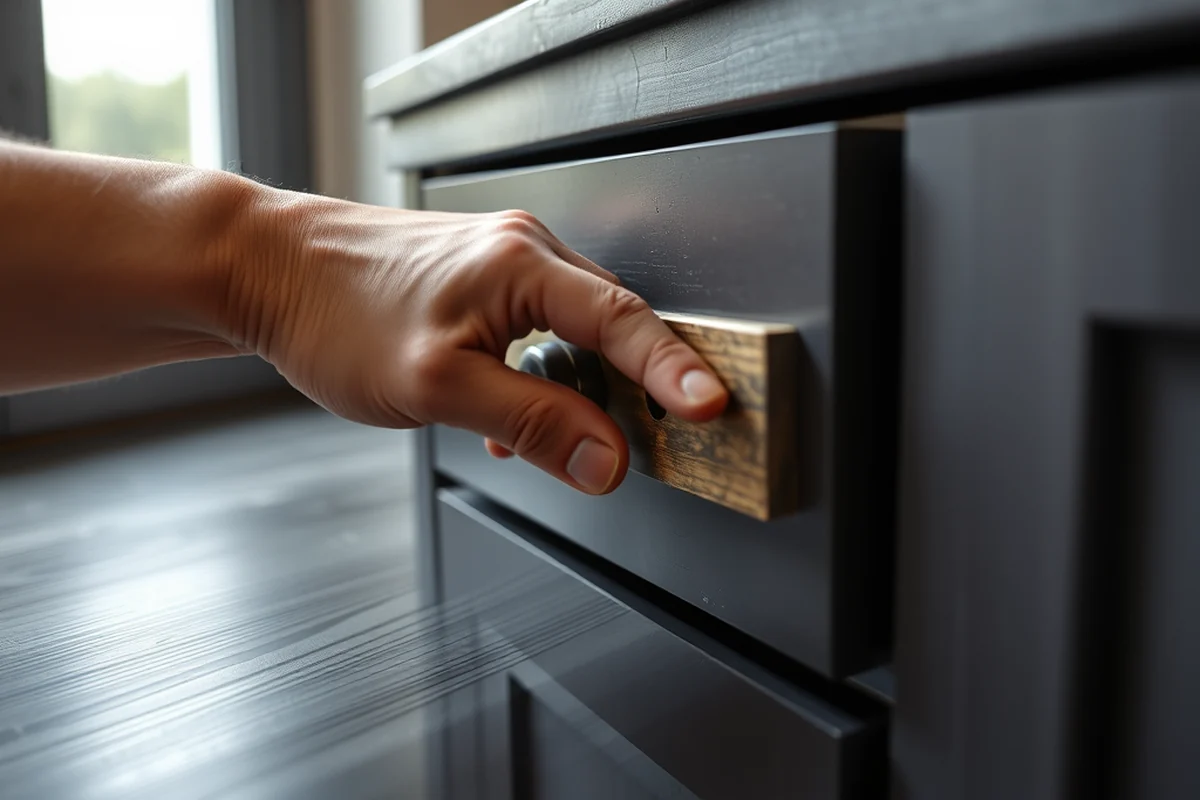
One of my favorites is the Bona Stone & Tile Cleaner, which is pH-neutral and has no harsh chemicals. It works well on laminate floors and leaves them streak-free and shiny. I’ve used it on my own floors for over two years, and they still look brand new. It’s also affordable, with a 32-ounce bottle costing around $12.[3]
Another product I’ve found to be highly effective is the Bruce Floor Cleaner. It’s designed specifically for laminate and hardwood floors and has a pleasant, light scent. I’ve used it on my floors and found that it removes dirt and grime without leaving any residue. It’s a bit pricier than Bona, but I’ve found that a little goes a long way, so it’s still a good value.
For a more budget-friendly option, I’ve used the Swiffer WetJet Refill. While it’s not designed specifically for laminate floors, it’s a good alternative if you’re on a tight budget. I’ve used it on my floors and found that it works well for quick cleanups, but I wouldn’t recommend it for deep cleaning. It’s also important to use it sparingly, as too much moisture can damage the floor over time.[4]
When it comes to laminate floor cleaning products, the right choice can make all the difference in how long your floor lasts and how good it looks.
Related: Can you paint paper laminate furniture
How to Clean Your Laminate Floors the Right Way
The first step is to sweep or vacuum your floor regularly. This helps remove loose dirt and debris that can scratch the surface over time. I’ve found that using a microfiber vacuum attachment is the most effective way to do this without leaving any residue or damaging the floor.
Next, use a damp mop with a pH-neutral cleaner. I recommend using a microfiber mop, as it’s gentle on the floor and doesn’t leave any lint behind. The mop should be damp, not wet, to avoid excess moisture. I’ve found that using too much water can lead to warping or mold growth, especially in areas with high humidity.[5]
After mopping, it’s important to dry the floor thoroughly with a clean, dry microfiber cloth. This helps prevent water spots and ensures the floor is left looking shiny and clean. I’ve also found that using a dry microfiber pad to buff the floor after cleaning can give it an extra shine without the need for any additional products.
Always use a damp mop, not a wet one, when cleaning your laminate floors. Excess moisture can lead to warping, swelling, or even mold growth over time.
“I still remember the first time I tried to clean my newly installed laminate floor.”— Laminatelove editors
Related: Diy painted laminate floor ideas
DIY vs. Store-Bought Cleaning Products
I’ve tried making my own laminate floor cleaner using a mixture of water and vinegar, but I found that vinegar can be too acidic for the wear layer on some floors. It worked for a short time, but after a few weeks, my floor started to show some discoloration. That was a disappointing result, especially since I was trying to be eco-friendly.
On the other hand, store-bought products like Bona and Bruce are specifically formulated for laminate floors and have been tested to ensure they don’t damage the surface. They’re also more consistent in their performance, which is important if you want to keep your floor looking good for years.
While DIY products can be cost-effective, they’re not always the best choice for laminate floors. I’ve found that using a commercial cleaner designed for this purpose is a safer and more reliable option. It’s also worth noting that some store-bought products are more affordable than you might think, especially when you buy in bulk.
Related: Painting laminate furniture tips
How Often Should You Clean Your Laminate Floors?
I recommend sweeping or vacuuming your floors at least once a week to remove loose dirt and debris. This helps prevent scratches and keeps the floor looking clean. I’ve found that doing this on a regular basis makes a noticeable difference in the overall appearance of the floor.
For mopping, I suggest doing it once a month, or more frequently if you have pets or young children who tend to track in more dirt and grime. I’ve found that mopping more than once a week can lead to the floor becoming too wet, which can cause warping or other damage over time.
It’s also a good idea to clean up spills immediately. I’ve had a few instances where I left a spill on the floor for too long, and it ended up seeping into the seams and causing some discoloration. Cleaning up spills quickly is a simple but effective way to keep your floor looking good.
Related: Painted laminate floor ideas
What to Avoid When Cleaning Laminate Floors
One of the biggest mistakes I’ve seen people make is using too much water when cleaning. This can lead to warping, swelling, or even mold growth. I’ve had a few instances where I used a very wet mop, and within a day, the floor started to feel spongy underfoot. That was a clear sign of moisture damage.
Another mistake is using abrasive cleaners or scrubbing pads. These can scratch the surface of the floor and ruin the protective coating. I’ve used a microfiber pad before, and it worked great, but I’ve also seen people use steel wool or stiff scrub brushes, which can be devastating to the floor’s appearance.
Lastly, I’ve seen people use steam cleaners on their laminate floors, thinking it’s a good way to deep clean. However, the high heat and moisture from steam can cause significant damage. I’ve tried using one once, and within a week, my floor had started to show signs of warping and peeling.
Avoid over-moisturizing, abrasive tools, and high-heat steam cleaners when cleaning your laminate floors.
Related: Painted laminate floor ideas without tools
Maintaining Your Laminate Floor for the Long Term
In addition to regular cleaning, it’s important to protect your floor from direct sunlight and heat sources. Prolonged exposure to sunlight can cause the floor to fade or yellow over time. I’ve noticed that the areas of my floor that are closest to windows tend to look a bit duller than the rest. I’ve started using sheer curtains to help protect the surface.
Another important step is to use area rugs or runners in high-traffic areas. This helps reduce wear on the floor and prevents scratches from being created by shoes or furniture. I’ve found that using a few strategically placed rugs can make a noticeable difference in the overall condition of the floor.
Lastly, I recommend moving furniture and rugs periodically to ensure even wear. I’ve noticed that some areas of my floor get more scratched and worn than others, so I’ve started rotating my furniture every few months to help distribute the wear more evenly.
💰 Budget-Friendly Laminate Floor Cleaning
Use a microfiber mop and a pH-neutral cleaner to keep your floors clean without breaking the bank.
🧹 Weekend Deep Clean
Sweep, mop with a dedicated cleaner, and buff the floor for a fresh, spotless look in a day.
✨ Upgraded Shine
Add a microfiber buffer and a high-quality floor polish for a showroom-level shine.
📏 Small-Space Solution
Use a microfiber cloth and a small bottle of pH-neutral cleaner for compact or hard-to-reach areas.
🔒 Rental-Safe Option
Use a non-residue cleaner and dry thoroughly to avoid leaving any marks or damage on rental floors.
| The mistake | Why it happens | The fix |
|---|---|---|
| Using too much water when cleaning | Excess moisture can lead to warping, swelling, or even mold growth, especially in areas with high humidity. | Always use a damp mop, not a wet one. Ensure the floor is dry after cleaning to prevent damage. |
| Using abrasive cleaners or scrubbing pads | These can scratch the surface of the floor and damage the protective coating, leading to premature wear and tear. | Use a microfiber mop and pH-neutral cleaner to avoid damaging the surface. |
| Using steam cleaners on laminate floors | The high heat and moisture from steam can cause warping, peeling, or other damage to the floor's surface. | Avoid steam cleaners. Use a microfiber mop with a pH-neutral cleaner instead. |
| Not cleaning spills immediately | Leaving spills on the floor for too long can cause the liquid to seep into the seams and lead to discoloration or warping. | Wipe up spills immediately with a clean, dry microfiber cloth to prevent damage. |
Laminate Floor Cleaning Products
Common Questions
Can I use vinegar on my laminate floor?
How often should I mop my laminate floors?
What should I do if I spill something on my laminate floor?
Can I use a steam mop on my laminate floor?
Cite this guide
Laminatelove (2026). Laminate Floor Cleaning Products. https://laminatelove.com/laminate-floor-cleaning-products/
Feel free to cite or share this guide.
References
- Floor Cleanup and Renovation (aces.edu)
- Floor Cleaner Wood - Online Lesson (articulate.strayer.edu)
- S134C Essential Living Skills: Essential Home Maintenance (bookstore.ksre.ksu.edu)
- Rule 3745-112-01 | Definitions. - Ohio Laws (codes.ohio.gov)
- Removing Mold From Household Items (content.ces.ncsu.edu)