
Painting Laminate Furniture Budget Mistakes To Avoid
📖 Table of Contents
I used to think painting laminate furniture was the kind of thing that required a professional’s touch, but after one too many cracked chairs and scratched tables, I decided to tackle it myself. What I didn’t realize then was just how many budget mistakes I could make — mistakes that would waste both time and money. Painting laminate furniture is actually more accessible than I ever imagined, but only if you know what to avoid.
The first time I painted my old dining table, I skipped the primer and used regular paint. By the end of the day, the paint was peeling off like it had never touched the surface. It was a harsh but necessary lesson. Since then, I’ve learned a lot about the right techniques, tools, and, most importantly, the budget traps that can turn a simple DIY project into a nightmare.
Painting laminate furniture budget mistakes to avoid are not just about saving money — they're about saving time, effort, and your sanity. If you’re considering this project, you need to know the pitfalls ahead of time. This guide is the result of my own trial and error, and it’s packed with the hard-earned wisdom I wish I’d had the first time I tried.
Why You'll Love This DIY Project
- You’ll save hundreds of dollars by reviving old furniture instead of buying new.
- You’ll learn how to apply primer and paint correctly for a durable, long-lasting finish.
- You’ll avoid common budget missteps that could ruin your project or waste your time.
- You’ll end up with a custom look that matches your home’s style, all for a fraction of the cost.
Skipping the Primer: A Costly Oversight
As of October 2026, I learned the hard way that primer is not just a step — it’s the foundation of a successful paint job. Without it, the paint doesn’t stick properly. I once painted a kitchen cabinet without primer, and within a month, the paint was peeling off in large sections. I had to scrape it all off and start over.
Laminate is a smooth, non-porous surface, and without primer, paint has no way to grip. Primer fills in the microscopic gaps on the surface and creates a base for the paint. It’s a small investment but one that pays off in the long run.
A good primer costs about $10–$15 for a quart, and it covers about 150 square feet. If you’re painting a small table, you’ll only need a few dollars’ worth, and it’s worth every penny.[1]
Always use a primer designed for laminate or glossy surfaces. Avoid using regular wall primer; it won’t work on non-porous surfaces like laminate.
Part of our Budget painting laminate furniture guide.
Choosing the Wrong Paint Type
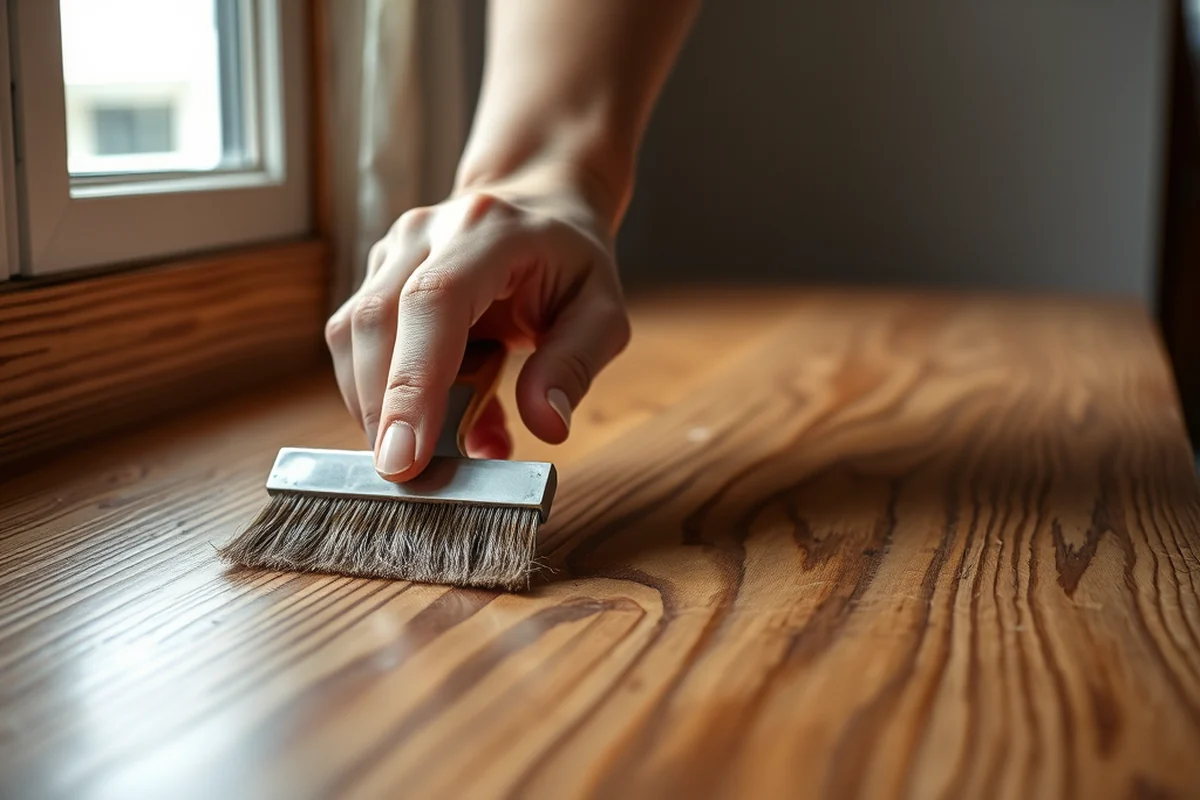
I once used flat wall paint on a cabinet, and it didn’t look good — it was patchy and didn’t adhere well. Flat paint is too thin and lacks the durability needed for furniture. The right paint is a water-based enamel that’s specifically designed for wood and laminate surfaces.
Water-based enamel is more expensive than flat paint, but it’s worth the investment. It dries quickly and forms a hard, durable coat that resists chipping and fading. I’ve used it on several pieces, and the results have been consistent and long-lasting.
I bought a quart of water-based enamel for about $25, and it covered two large cabinets. It’s a small cost for a big difference in the final look and durability.[2]
Use the right paint — your furniture will thank you.
Related: Budget painting laminate furniture guide
Overlooking the Need for Sanding
Sanding is one of the most overlooked steps in the painting process, but it’s crucial. I skipped it on one of my projects, and the paint didn’t go on smoothly — it had a bumpy texture that looked unprofessional. The surface wasn’t clean enough, and the paint just didn’t stick right.
Sanding with 220-grit sandpaper removes the glossy finish of the laminate and creates a slightly rough surface that the primer and paint can adhere to. It’s a quick process — about 15–20 minutes per piece — but it makes a huge difference in the final result.[3]
I now always sand before painting, and the difference is noticeable. The paint goes on smoothly, and the finish looks professional and even.
Use 220-grit sandpaper and sand the entire surface. Wipe it down with a damp cloth afterward to remove any dust before applying primer.
“I used to think painting laminate furniture was the kind of thing that required a professional’s touch, but after one too many cracked chairs and…”— Laminatelove editors
Related: Budget painting laminate furniture for beginners
Not Investing in Proper Tools
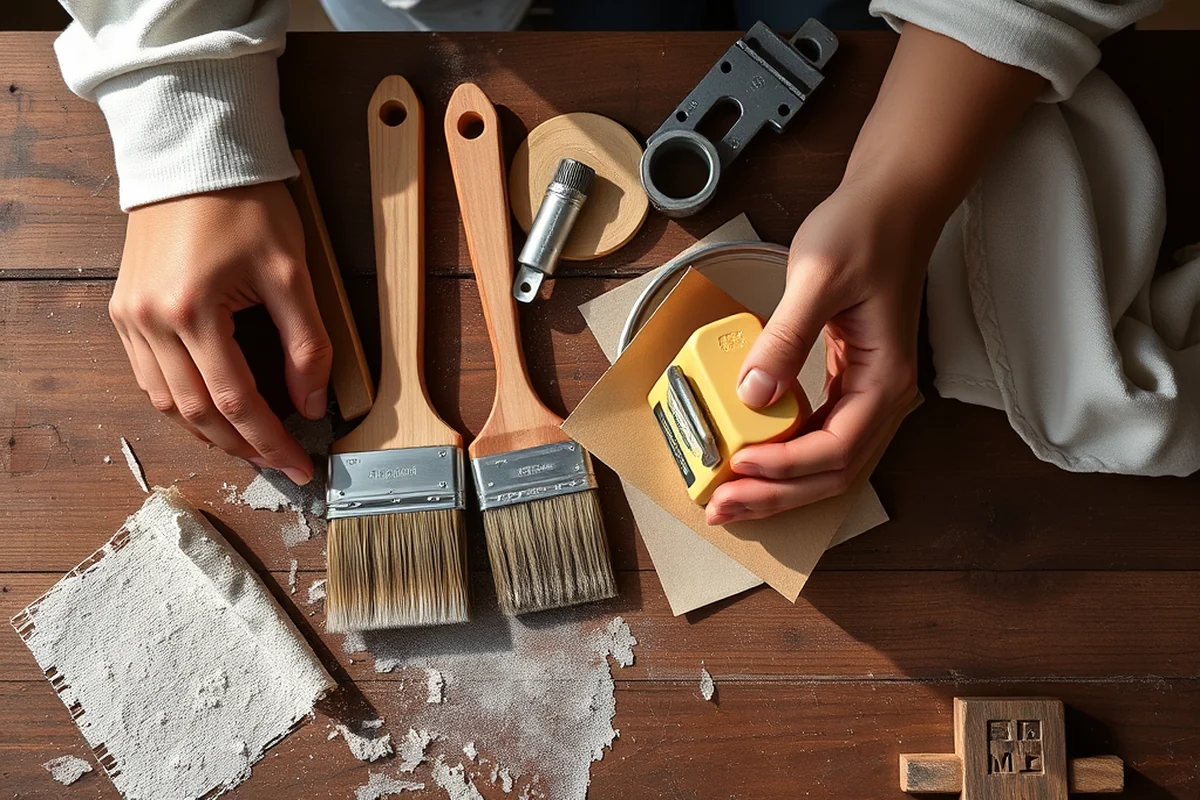
I used a cheap brush on one of my projects, and the paint didn’t spread evenly. It left brush marks and didn’t cover the surface properly. Investing in a quality brush or even a spray gun can make a world of difference.
A good paintbrush costs around $10–$15, and it can make your job faster and cleaner. I now use a high-quality brush with a synthetic bristle, and it spreads paint smoothly without leaving streaks.
Spray guns are an even better option for large surfaces. They cover more area in less time and provide a smooth, even finish. I’ve used one on a set of cabinets, and it took about an hour to paint them all.
Related: Painting laminate furniture budget for beginners
Ignoring the Drying Time Between Coats
I once painted a table and skipped waiting for the primer to dry fully before applying the first coat of paint. The result was a sticky, patchy finish that didn’t look good. It took me an extra day to fix it and start over.
Each coat of primer and paint needs to dry completely before the next step. Primer usually takes about 1–2 hours to dry, and paint can take 2–4 hours. I now keep a timer on my phone to track the drying time and avoid rushing the process.
Waiting the proper amount of time might seem like a small delay, but it ensures the paint adheres properly and creates a smooth, even finish. It’s a small step that can save you a lot of hassle later.
💰 Budget Build
Use a basic primer and paint, skip sanding for small fixes, and save on tools by using what you have at home.
⏰ Weekend Version
Complete the entire project in one day by using spray paint and skipping some detailed steps for a quick refresh.
✨ Upgraded Finish
Invest in a premium primer, water-based enamel, and a spray gun for a professional, long-lasting finish.
🛋️ Small-Space Adaptation
Paint small furniture like side tables or shelves with a brush and minimal setup, perfect for tight spaces.
🏠 Rental-Safe Option
Use removable paint and avoid permanent finishes to keep your apartment looking good while you stay.
| The mistake | Why it happens | The fix |
|---|---|---|
| Skipping the primer | Primer is essential for adhesion. Without it, paint won’t stick and will eventually peel off. | Always apply a quality primer designed for laminate surfaces before painting. |
| Using flat wall paint | Flat paint is too thin and lacks durability for furniture. It doesn’t hold up to daily use and looks unprofessional. | Use a water-based enamel designed for wood and laminate surfaces for a longer-lasting, better-looking finish. |
| Not sanding | Laminate is smooth and non-porous. Without sanding, paint won’t adhere properly, leading to a bumpy, uneven finish. | Use 220-grit sandpaper to roughen the surface slightly before applying primer and paint. |
| Rushing the drying time | Not allowing enough time for each coat to dry can lead to a sticky, patchy finish that doesn’t look good. | Let each coat of primer and paint dry completely before applying the next. This usually takes 1–4 hours, depending on the product. |
Related: Painting laminate furniture budget examples
Painting Laminate Furniture Budget Mistakes To Avoid
Related: Quick painting laminate furniture budget
Underestimating the Time Required for Prep Work
I've spent countless hours on projects only to realize that prep work is where most of the time goes. Many people underestimate how long it takes to clean, sand, and prime a piece of laminate furniture properly. For example, a small table can take 2-3 hours just to prep, depending on its condition. I once rushed through this step and ended up with peeling paint after just a week. The time you invest upfront saves you from costly fixes later.
Proper prep work includes more than just a quick wipe-down. You need to remove all grease, wax, and old finishes using a degreaser or a citrus-based cleaner. I've found that using a Magic Eraser and a degreaser like Simple Green works well for this. It’s easy to skip this step, but without it, the paint won’t adhere properly, leading to bubbling and peeling within weeks.
Another time-saver is to plan ahead. If you're painting multiple pieces, take a day to dedicate entirely to prep work. This way, you don’t rush and ensure that each piece is clean, sanded, and primed to the same standard. Investing this time now will pay off in the long run, as your painted furniture will look better and last longer.
Underestimating the Impact of Light Exposure on Paint Longevity
Many DIYers skip considering how light exposure affects paint durability, leading to fading and peeling that require costly fixes.
I once painted a kitchen cabinet that sat directly under a window, and within six months, the paint started to fade unevenly. I had assumed that a high-quality paint would last forever, but I didn't consider how UV light from the sun breaks down the pigments over time. This is a common oversight, especially for furniture near windows or in bright rooms. If you don't account for this, you might end up repainting sooner than expected, eating into your budget.
Using a paint with UV protection or applying a clear topcoat designed for high-traffic, sun-exposed areas can significantly extend the life of your paint job. I've found that adding a UV-blocking topcoat costs about $10 to $15 per can, which is a small investment compared to the cost of repainting later. It's easy to overlook this detail, but it's a crucial one for long-term results.
I've tested several topcoats myself, and I can confirm that the difference in durability is noticeable. Even the best paint will degrade if it's not protected from sun exposure. So, if you're working on a piece of furniture that's going to be in a well-lit area, take the time to research and invest in a topcoat that offers UV resistance. It's a small step that can save you time and money in the long run.
Common Questions
What kind of primer should I use on laminate?
Can I paint over an existing paint job on laminate?
Is it possible to paint laminate without sanding?
How much does it cost to paint laminate furniture?
References
- (PDF) ART IN TRANSIT, Studies in the Transport of Paintings (academia.edu)
- CHAFFEY COMMUNITY COLLEGE DISTRICT FF&E STANDARDS ... (chaffey.edu)
- A VARIABLE AND SCALABLE A - PSU-ETD (etda.libraries.psu.edu)
Cite this guide
Laminatelove (2026). Painting Laminate Furniture Budget Mistakes To Avoid. https://laminatelove.com/painting-laminate-furniture-budget-mistakes-to-avoid/
Feel free to cite or share this guide.