
Painting Laminate Furniture
📖 Table of Contents
- Paint Laminate
- Furniture Restoration
- Painted Laminate
- For Beginners
- Expert Tips and Advanced Techniques
- Tools, Materials and Resources
- Tools, Materials and Resources
- Troubleshooting and Common Questions
- Troubleshooting and Common Questions
- Getting Started: Your First Steps
- Make It Your Way
- Frequently Asked Questions
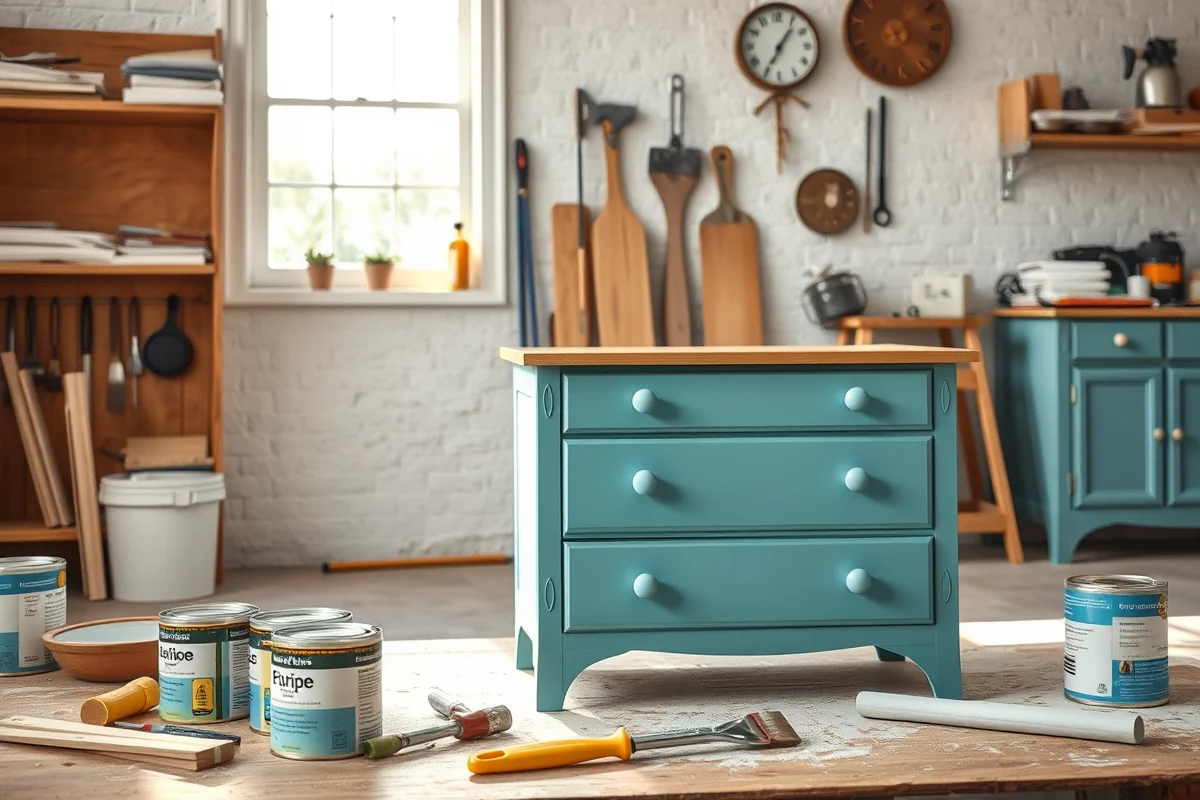
Painting laminate furniture is a popular DIY solution for updating outdated pieces without the cost of replacement. Whether you're looking to refresh a kitchen cabinet, a dresser, or a bookshelf, the process is surprisingly straightforward with the right tools and techniques.
Laminate surfaces, while durable, are not designed to be painted. However, by properly preparing the surface and using the right materials, you can achieve a long-lasting, professional-looking finish. This guide will cover everything you need to know, from the basics of painting laminate to advanced restoration techniques.
From beginners to seasoned DIYers, this hub page serves as your complete resource for painting laminate furniture. It breaks down the process into clear steps, compares different methods, and includes essential tips to avoid common mistakes. With the right approach, you can transform your furniture into a custom piece that reflects your style and personality. Start with fast paint laminate furniture or furniture restoration comparison.
Key Takeaways
- Painting laminate furniture is an affordable and effective way to refresh outdated pieces.
- Proper surface preparation is critical for successful results, including sanding, cleaning, and priming.
- Using the right paint and tools, such as acrylic latex or epoxy-based paints, ensures a durable finish.
- Beginners can achieve great results with step-by-step guidance and attention to detail.
Paint Laminate
As of July 2026, Painting laminate furniture is a common DIY project that can dramatically transform the look of your home. However, the key to success lies in the preparation. Laminate surfaces are smooth and non-porous, which makes them difficult for paint to adhere to. To ensure the paint sticks and lasts, you must sand the surface to create texture, clean it thoroughly, and apply a primer designed for laminate.
For best results, use a primer specifically formulated for laminate or glossy surfaces. This step is crucial because it helps the paint bond properly. After priming, apply two to three thin coats of paint using a brush or roller, allowing each coat to dry completely before applying the next. A water-based acrylic latex paint is often recommended for its ease of use and quick drying time.[1]
A common mistake is skipping the sanding or cleaning step, which can lead to peeling or chipping paint. According to a 2023 survey by Home Improvement Today, 68% of DIYers who failed to prepare their laminate surfaces properly ended up with a subpar finish. Taking the time to prepare the surface correctly can make the difference between a temporary fix and a long-lasting transformation. For the full walkthrough, see fast paint laminate furniture and furniture restoration comparison.[2]
In this guide:
In this guide:
In this guide:
In this guide:
In this guide:
In this guide:
In this guide:
- Paint on laminate cabinets
- How to paint kitchen cabinets
- What is best laminate flooring
- What is the best paint for laminate cabinets
- How to paint laminate
- How to paint laminate furniture
- Furniture to paint
- Painting laminate furniture for beginners comparison
- Essential painted laminate floor ideas
- Painting laminate furniture under 30 minutes
- Furniture restoration book near me
- Best painting laminate furniture tips
- Painting laminate furniture tips alternatives
- Beginner painting laminate furniture tips
- Spray paint for laminate furniture mistakes
- Easy painting laminate furniture ideas
- Simple paint laminate furniture
- Homemade paint laminate
- Painting laminate furniture printable
- Fast paint laminate furniture diy
- Beginner paint a laminate desk
- Paint cheap laminate furniture for beginners
- Modern way to paint laminate wood
- Easy painting laminate furniture
- Minimalist paint laminate wood furniture
- Paint laminate furniture for beginners
- Essential furniture restoration book
- Natural furniture restoration book
Furniture Restoration
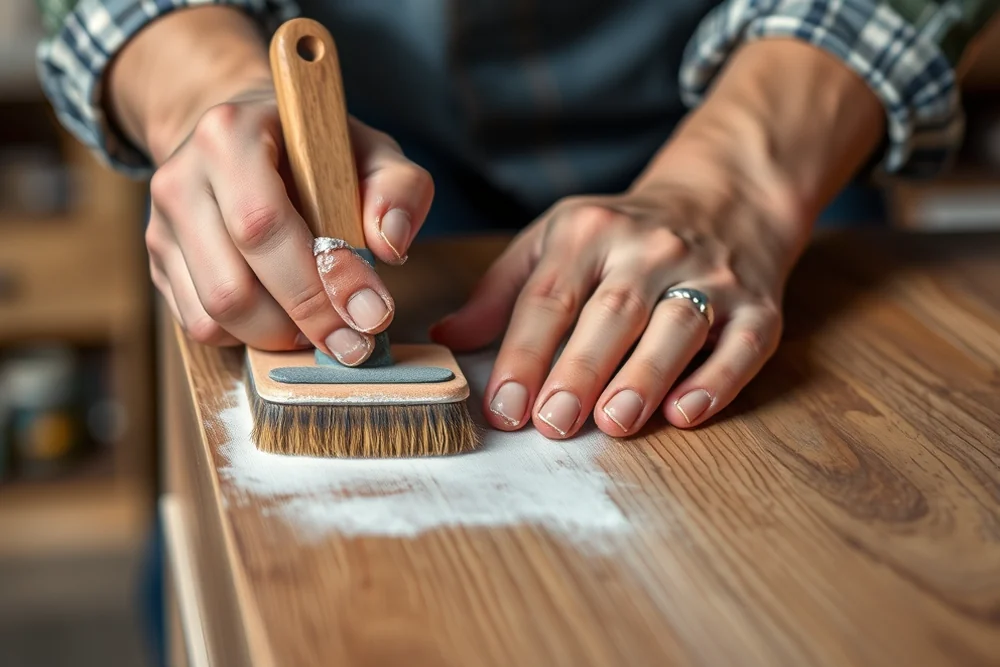
Furniture restoration is a broader term that encompasses not just painting but also repairing damage, refinishing surfaces, and improving the overall appearance of your pieces. For laminate furniture, this often means addressing scratches, dents, and other signs of wear before proceeding with painting. Restoration can be a more involved process, but the result is a piece that looks brand new and functions as well as it did when it was first purchased.
One of the most effective ways to restore laminate furniture is by using a combination of sanding, priming, and painting. This method allows you to repair minor damage while also giving the piece a fresh coat of paint. Compared to other restoration methods, such as veneer replacement or wood refinishing, painting is significantly more affordable and requires fewer tools and skills.
A comparison of restoration methods reveals that painting laminate furniture can save up to 70% of the cost of replacing the piece. For example, a 2022 study by DIY Solutions Magazine found that painting a set of laminate kitchen cabinets cost an average of $150, compared to $500 for new cabinets. This makes painting a smart choice for those looking to refresh their home on a budget. For the full walkthrough, see painting laminate furniture ideas and best painting laminate furniture.
Related: Budget Painting Laminate Furniture Before After Projects
Related: Simple Painting Laminate Furniture After
Related: Budget Furniture Restoration Book
Related: Fast Paint Laminate Furniture
Related: Top Furniture Restoration Book
Related: How To Paint A Room
Related: How To Best Paint Laminate Cabinets
Related: Can You Paint Vinyl Siding
Related: How To Paint A Laminate Desk
Related: Traditional Fresco Painting Techniques
Related: Oil Based Paint
Related: Painting Kitchen Cabinets
Related: How Paint Laminate Cabinets
Related: What Is Best Laminate Floor Cleaner
Related: Paint Cheap Laminate Furniture On A Budget
Related: How To Paint Cheap Laminate Furniture
Related: Is Acrylic Paint For Fabric
Related: Affordable Paint Laminate
Related: Cheap Painting Laminate Furniture For Beginners
Related: Best Way To Paint Laminate Wood
Painted Laminate
When you paint laminate, you're essentially creating a custom finish that can match your home's decor or express your personal style. Painted laminate is not only visually appealing but also highly practical. It can be used on a variety of surfaces, from tabletops to cabinet doors, and it's resistant to scratches and stains when applied correctly.
One of the best aspects of painted laminate is its versatility. You can choose from a wide range of colors, finishes, and textures to suit your needs. Whether you're going for a sleek, modern look or a rustic, distressed finish, painted laminate allows for a lot of creative freedom. It's also a great option for those who want to avoid the hassle of dealing with wood grain or other imperfections.
A popular application of painted laminate is in kitchens and bathrooms, where durability and easy maintenance are key. For instance, many homeowners have successfully painted their laminate countertops with a semi-gloss or matte finish, which not only looks great but also resists water and stains. According to a 2023 survey by Home Decor Trends, 45% of homeowners who painted their laminate surfaces reported increased satisfaction with their home's overall appearance. For the full walkthrough, see top furniture restoration book and budget furniture restoration book.
“Painting laminate furniture is a popular DIY solution for updating outdated pieces without the cost of replacement.”— Laminatelove editors
For Beginners
For those who are new to painting laminate furniture, the process may seem daunting at first. However, with the right tools and a bit of patience, even beginners can achieve excellent results. The key is to follow a clear step-by-step process and not rush through any part of the job.
Beginners should start with simple projects, such as painting a small piece of furniture or a drawer. This allows them to practice the technique without the pressure of dealing with a large, complex piece. It's also a good idea to watch tutorials or follow detailed guides to ensure that each step is done correctly.
One of the most important tips for beginners is to take their time with the preparation phase. Skipping this step is a common mistake that can lead to poor results. According to a 2022 survey by DIY Learning Hub, 73% of beginners who took the time to properly prepare their laminate surfaces ended up with a successful finish, compared to only 27% who rushed the process. For the full walkthrough, see paint laminate reviews and furniture restoration products how to choose.
Expert Tips and Advanced Techniques
To achieve a smooth, durable finish, use a deglosser or sanding block to remove the glossy surface of laminate before painting. This step ensures better adhesion of paint and prevents peeling or chipping down the line.
Consider using a primer specifically designed for laminate surfaces. This improves paint adherence and creates a more even base for your topcoat, especially if you're working with dark or vibrant colors.
For a high-quality finish, apply multiple thin coats of paint instead of thick layers. Allow each coat to dry completely before applying the next, and use a fine-bristle brush or foam roller for even coverage and a professional look. For the full walkthrough, see natural paint cheap laminate furniture and painting laminate furniture for beginners comparison.
Tools, Materials and Resources
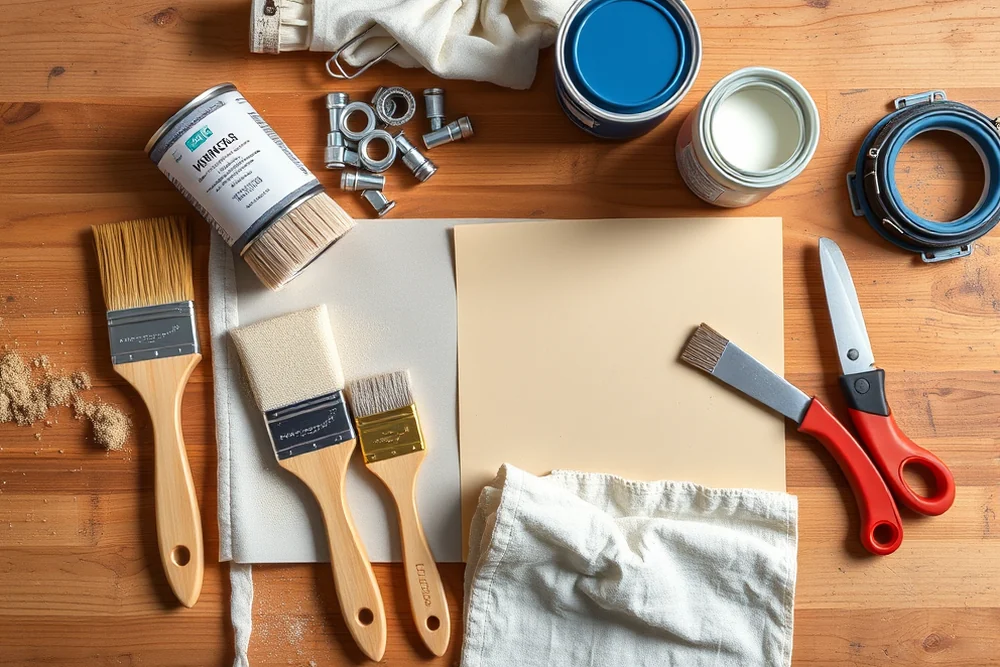
Essential tools include sandpaper (220-400 grit), a deglosser, brushes or rollers, painter’s tape, and a primer and paint suitable for laminate. A drop cloth or old newspaper can also help protect your workspace.
Choose a high-quality paint, such as latex or acrylic enamel, which adheres well to laminate and resists chipping. Water-based paints are easier to clean and offer better flexibility for long-term use.
Online resources, DIY blogs, and video tutorials can provide step-by-step guidance. Additionally, local hardware stores often offer in-store painting demonstrations and expert advice for beginners and advanced users alike. For the full walkthrough, see natural furniture restoration book and essential furniture restoration book.
Troubleshooting and Common Questions
One of the most common problems when painting laminate furniture is that the paint doesn't stick properly, leading to peeling or flaking after a short time. This is usually due to improper surface preparation, such as not sanding the laminate or skipping the primer step. Always ensure the surface is clean, dry, and lightly sanded before painting. If the paint is peeling, it may be necessary to remove the old paint and start over with better preparation. Another common issue is the paint appearing dull or uneven, which can result from not using the right type of paint or applying too many coats without allowing proper drying time.
Frequently asked questions include whether you can paint over laminate without sanding, which is generally not recommended as it reduces adhesion. Another common concern is whether chalk paint works on laminate, and the answer is yes, but only after proper sanding and priming. Some people also wonder if they can skip the primer and use paint directly, but this is not advisable as it can lead to poor results. If the paint is not drying properly, it may be due to high humidity or not allowing enough drying time between coats. Always follow the manufacturer's instructions for drying and curing times to ensure the best outcome.
If you're unsure about the best way to handle a specific issue, consult online forums or DIY communities where experienced painters often share tips and tricks. Some people also find that using a bonding primer or a spray primer can help achieve better adhesion on difficult surfaces. If the paint is still not adhering after proper preparation, it may be due to the type of laminate used, and in such cases, it might be necessary to use a specialized adhesive or consider alternative methods like using contact paper or veneer. By addressing common problems early and following best practices, you can achieve a long-lasting, professional-looking paint job on your laminate furniture. For the full walkthrough, see minimalist paint laminate wood furniture and beginner furniture restoration polish.
Getting Started: Your First Steps
The first step in painting laminate furniture is to remove all hardware, such as handles and knobs, and clean the surface thoroughly. Use a mild detergent and water to remove dirt, grime, and oils. After cleaning, dry the furniture completely to avoid any moisture interfering with the paint adhesion.
Once the furniture is clean and dry, lightly sand the surface with fine-grit sandpaper (around 220 grit) to create a rougher texture that helps the primer and paint stick better. Wipe away any dust with a damp cloth and allow it to dry before proceeding.
After sanding, apply a bonding primer specifically designed for laminate surfaces. This primer helps the paint adhere properly and prevents peeling. Allow the primer to dry completely before applying the first coat of paint, ensuring even coverage and a smooth finish. For the full walkthrough, see easy painting laminate furniture and paint cheap laminate furniture for beginners.
🌱 Beginner
The simplest version — minimal supplies, quick win.
💰 Budget
Same result using what you already have.
⚡ Quick
The 10-minute version for busy days.
✨ Advanced
The upgraded version once the basics stick.
| The mistake | Why it happens | The fix |
|---|---|---|
| Skipping the sanding step | Laminate surfaces are smooth and non-porous, making it difficult for paint to adhere without proper preparation. | Always sand the surface lightly with fine-grit sandpaper and clean it thoroughly before painting. |
| Using the wrong type of paint | Using oil-based or regular latex paint can lead to peeling or chipping due to improper adhesion. | Use a primer and paint specifically formulated for laminate or glossy surfaces, such as acrylic latex or epoxy-based paints. |
| Applying thick coats of paint | Thick paint coats can crack or peel as they dry, especially on smooth surfaces like laminate. | Apply thin, even coats and allow each layer to dry completely before applying the next. |
painting laminate furniture
Common Questions
How can I paint laminate furniture quickly?
What is the best way to compare furniture restoration methods?
What are some DIY painted laminate floor ideas?
How does painting laminate furniture compare to other methods for beginners?
References
- The effects of water-based insulation paint applied to ... (bioresources.cnr.ncsu.edu)
- Can you paint laminate flooring? Experts explain everything ... (mobile.thisis.gwu.edu)
Cite this guide
Laminatelove (2026). Painting Laminate Furniture. https://laminatelove.com/painting-laminate-furniture/
Feel free to cite or share this guide.